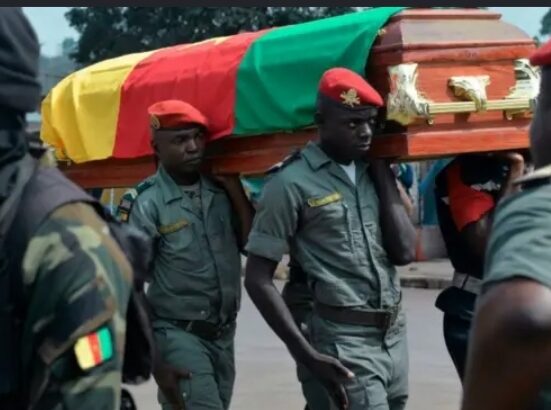
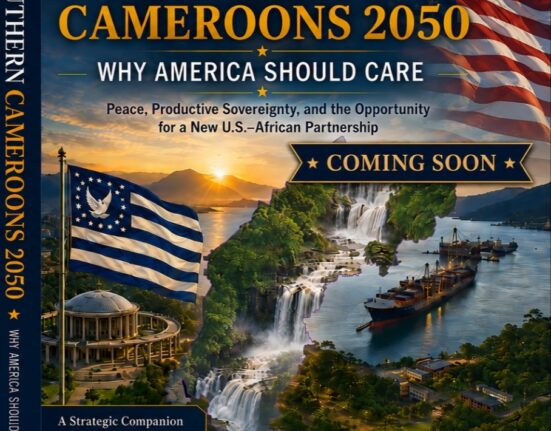
Recent controversies surrounding various manifestos and political announcements highlight how fragmented messaging can distract from broader goals. Whether these initiatives represent genuine internal disagreement or external manipulation is debated within activist circles.
By Timothy Enongene
Guest Editor-in-Chief, Independentistnews
Nine years into the Ambazonian struggle for Independence restoration, many observers believe the Yaoundé regime has shifted away from meaningful dialogue toward a strategy critics describe as “Divide, Rule, Repeat.” Supporters of the Ambazonian cause argue that a politically unified Southern Cameroons represents a serious challenge to Yaoundé’s authority, and that internal divisions are therefore being exploited or amplified. Competing factions, disputed leadership claims, and recycled political labels continue to blur the movement’s message at a time when clarity is needed most.
At the center of current tensions is the debate over legitimacy and representation. Supporters of the Federal Government of Ambazonia under Dr. Samuel Sako maintain that the structure reflects an evolution from earlier transitional arrangements. Meanwhile, critics argue that disagreements within the movement weaken international advocacy and prolong uncertainty among civilians who continue to bear the consequences of conflict.
The Vocabulary of War: “Home Front” vs. “Ground Zero”
Language has become part of the conflict itself. The term “Ground Zero,” widely used by media and officials in Cameroon, is rejected by many Ambazonian activists who see it as portraying their homeland solely as a zone of destruction. Instead, they promote the idea of a “Home Front,” emphasizing communities that continue to function despite hardship. Yet the reality on the ground remains complex. Many communities experience displacement, insecurity, and economic hardship. Balancing the narrative between resilience and suffering remains an ongoing challenge for all parties involved.
The February 11 Dispute The Strategic Fragmentation of Ambazonia.
Every year, February 11 — celebrated by Cameroon as National Youth Day or Unity Day — exposes the deep political divide. For many in Southern Cameroons, the date symbolizes the beginning of political marginalization rather than unity. Calls for civil resistance or stay-at-home protests often emerge around this period, while government authorities continue official celebrations. Recent controversies surrounding various manifestos and political announcements highlight how fragmented messaging can distract from broader goals. Whether these initiatives represent genuine internal disagreement or external manipulation is debated within activist circles.
Government Structure and Legitimacy
Another point of contention concerns governance structures. Supporters of the current Ambazonian leadership argue that the movement has transitioned beyond earlier “interim” frameworks and now operates through more formalized structures, including registered entities abroad that engage in advocacy and diplomacy. However, external recognition remains limited, and internal disagreements continue to affect coherence. Analysts often note that movements seeking international support benefit from unified messaging and transparent leadership structures.
A Call for Reflection and Unity
Amid ongoing tensions, many Ambazonians call for peaceful solidarity and renewed focus on civilian welfare. Appeals frequently emphasize non-participation in government celebrations, respect for declared lockdowns or protests, and caution against initiatives seen as divisive. Beyond political positioning, there remains a shared concern: communities continue to suffer the social and economic consequences of prolonged conflict. Whatever strategies are adopted, long-term progress will depend not only on political resistance or state response, but on the ability of all stakeholders to prioritize civilian safety, unity of purpose, and realistic pathways toward peace and stability. A movement divided risks prolonging hardship. A movement that finds common ground, many believe, stands a better chance of shaping its future.
Timothy Enongene
Guest Editor-in-Chief, Independentistnews