

In remembering the victims of Mondoni, communities are reminded not only of loss, but also of the urgent need to build a future in which such violence no longer defines everyday life.
By Lester Maddox, Guest Contributor, The Independentistnews
March 15, 2026
The conflict has left behind many painful episodes that continue to shape public debate and collective memory. Among them is the deadly attack near the Mondoni Oil Mill in February 2023, an incident that shocked communities and intensified disagreements about responsibility, narrative, and the human cost of prolonged violence.
Remembering such events is not only about recounting facts. It is also about acknowledging grief, seeking clarity, and preventing future tragedies.
What Happened in Mondoni
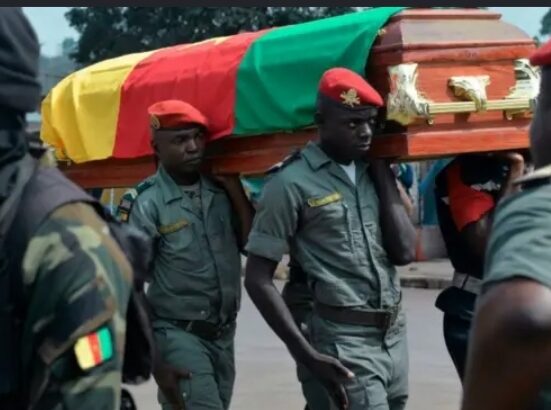
On the evening of February 10, 2023, a vehicle transporting workers associated with the Cameroon Development Corporation (CDC) was ambushed near Mondoni. Several civilians lost their lives, and many others were injured. Families were left grieving, while survivors carried both physical and psychological scars.
As often happens in conflict settings, initial reports were fragmented. Official statements pointed to suspected separatist involvement, while local testimonies and activist accounts offered differing interpretations. In the absence of independent investigations widely accepted by all sides, uncertainty has persisted.
Competing Narratives and Public Reactions
In the days following the attack, public messaging from various actors — including diaspora commentators and armed movement sympathizers — added another layer of complexity. Some statements appeared to claim responsibility or frame the incident within broader enforcement strategies linked to economic boycotts or security restrictions. Others strongly rejected these claims and suggested alternative explanations involving state security operations.
These competing narratives contributed to confusion among affected communities and observers abroad. They also highlighted the powerful role of social media in shaping perceptions of accountability during the conflict.
The Broader Pattern of Civilian Vulnerability
Regardless of the specific circumstances of the Mondoni attack, the episode reflects a broader pattern in which civilians have borne the heaviest burden of violence. Workers, traders, health personnel, teachers, and transport operators have often found themselves caught between opposing forces and conflicting directives.
For humanitarian actors and local leaders, such incidents reinforce the urgency of protecting non-combatants and maintaining clear lines between political objectives and actions that endanger ordinary people.
Legal and Political Implications
The evolving legal scrutiny of diaspora-linked advocacy — including high-profile proceedings involving Lucas Cho Ayaba — underscores the growing international focus on accountability in conflict-related activities. These developments may influence how future incidents are investigated, documented, and understood.
At the same time, they highlight the importance of due process and evidence-based reporting when attributing responsibility for acts of violence.
Toward Healing and Accountability
For the families affected by the Mondoni tragedy, the priority remains justice, recognition, and support. For the wider movement and the state alike, the lesson may lie in strengthening mechanisms that reduce misinformation, prevent internal divisions, and place humanitarian considerations at the center of strategy.
The search for truth in conflict is rarely straightforward. Yet confronting painful memories with honesty — while resisting the temptation to simplify complex realities — can be an essential step toward reconciliation and reconstruction.
In remembering the victims of Mondoni, communities are reminded not only of loss, but also of the urgent need to build a future in which such violence no longer defines everyday life.
Lester Maddox, Guest Contributor, The Independentistnews