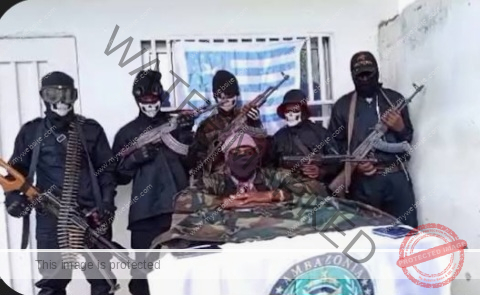


Remembering fallen commanders and civilian victims can serve not only as an act of mourning, but also as a call to build structures that reduce the likelihood of similar tragedies in the future.
By Lester Maddox, Guest Contributor, The Independentistnews
BATIBO. – March 15, 2026 – As the conflict continues to shape the lives of communities across the Northwest and Southwest, attention is increasingly turning to unresolved questions about internal violence, leadership rivalries, and the management of resources linked to armed mobilization. These debates remain deeply emotional because they touch on the memory of fallen commanders, the suffering of civilians, and the broader search for accountability.
The Loss of Field Commanders and the Weight of Suspicion
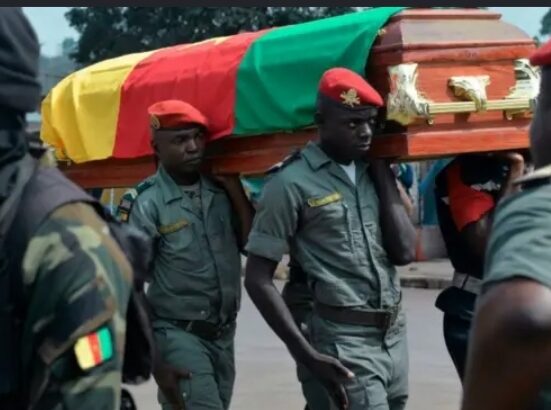
Over the past years, several local commanders and fighters were killed under circumstances that continue to generate speculation and disagreement. For supporters, these individuals represented courage and grassroots resistance. For critics, their deaths symbolized the dangers of fragmentation, mistrust, and competing chains of command.
In environments marked by limited communication and shifting alliances, accusations of betrayal or collaboration often spread quickly. Some observers have suggested that internal rivalries or strategic disagreements may have contributed to targeted attacks. Others maintain that state forces were responsible, pointing to the broader counter-insurgency context.
What remains certain is that each loss created a vacuum — operationally and psychologically — affecting both morale and coordination among fighters and communities.
Resource Flows and Questions About Logistics
Alongside debates about leadership, concerns have also emerged regarding how armed groups obtained equipment, uniforms, vehicles, and other logistical support. In conflict settings worldwide, such supply chains are often complex, involving informal markets, cross-border trade, and shifting local arrangements.
Allegations that certain commercial actors or intermediaries may have indirectly facilitated access to materials have circulated widely, though detailed verification is often difficult. The absence of transparent procurement structures — typical in decentralized movements — has contributed to confusion and mistrust.
These dynamics highlight a broader challenge faced by many non-state actors: sustaining operational capacity while maintaining accountability and public confidence.
Civilian Impact and the Cost of Internal Enforcement
Another painful aspect of the conflict has been violence directed at civilians accused of disobedience, collaboration, or dissent. Such incidents have left lasting trauma in affected communities and complicated efforts to maintain unity around political objectives.
For families who lost loved ones, the debate over responsibility is not merely theoretical. It shapes their sense of justice, belonging, and hope for reconciliation.
Humanitarian organizations and local leaders increasingly emphasize that protecting non-combatants must remain central to any future strategy, regardless of ideological differences.
Legal Scrutiny and Changing International Context
Recent investigations involving diaspora figures connected to armed advocacy — including the widely discussed case of Lucas Cho Ayaba — signal a tightening international environment. Governments are paying closer attention to financial flows, online mobilization, and organizational links tied to conflicts abroad.
These developments do not settle internal debates about strategy or legitimacy. However, they underscore the importance of compliance with legal frameworks and the potential consequences of unregulated transnational activities.
Toward Reflection and Renewal
For many Ambazonians, this period represents an opportunity to reflect on lessons learned over years of sacrifice. Sustaining credibility may require stronger political coordination, transparent management of resources, and renewed commitment to humanitarian principles.
Remembering fallen commanders and civilian victims can serve not only as an act of mourning, but also as a call to build structures that reduce the likelihood of similar tragedies in the future.
The path forward remains uncertain. Yet the resilience of affected communities — and their desire for dignity, justice, and stability — continues to shape the evolving search for solutions.
Lester Maddox, Guest Contributor, The Independentistnews