











An administration that rewards atrocity is not malfunctioning; it is functioning as intended. The Ambazonian case is therefore not merely a humanitarian tragedy. It is probative evidence of a Francafrique system whose operational logic produces crimes against humanity. Judgment is overdue. Accountability is unavoidable. History is recording.
An Editorial Indictment for the Court of Public Conscience and International Law By Ali Dan Ismael, Editor-in-Chief The Independentistnews.
PREAMBLE
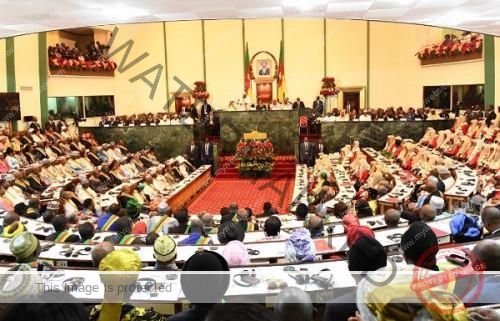
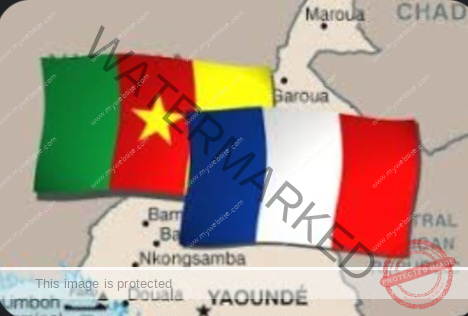
This editorial constitutes a legal-style indictment against the administrative institutions and governing authorities of French Cameroon for their role in crimes committed against the people of Ambazonia. The indictment alleges that these crimes were not isolated abuses, but the foreseeable and systematic outcome of a Francafrique governance architecture premised on obedience to an external sovereign interest—namely France—and personal loyalty to the presidency of Paul Biya, rather than to constitutional rule, international law, or the protection of civilians.
JURISDICTION AND APPLICABLE LAW
This indictment invokes the following bodies of law: Customary International Law; the Rome Statute of the International Criminal Court; the Geneva Conventions under Common Article Three; the African Charter on Human and Peoples’ Rights; and the United Nations Convention Against Torture. The conduct described falls within crimes against humanity, war crimes, and acts indicative of genocide, including murder, persecution, forced displacement, and collective punishment of a protected civilian population.
THE STRUCTURE OF COMMAND AND LIABILITY
French Cameroon operates under a vertical obedience system in which the President exercises unchecked executive supremacy; civil administrators function as transmission belts for executive orders; the military enforces compliance, not legality; and judicial institutions prosecute dissent while shielding perpetrators. This structure establishes command responsibility and institutional complicity, satisfying the mental and physical elements required for state and individual liability.
COUNT ONE: CRIMES AGAINST HUMANITY, MURDER AND PERSECUTION
Elements established include a widespread or systematic attack directed against a civilian population with knowledge of the attack. Evidence patterns include repeated killings of civilians in Ambazonian communities with no military necessity; execution-style shootings, burnings of homes with occupants inside, and targeting of women, children, and the elderly; and the absence of prosecutions alongside promotions and commendations. Legal conclusion: these acts constitute murder and persecution as crimes against humanity under the Rome Statute.
COUNT TWO: COLLECTIVE PUNISHMENT AND VILLAGE ERASURE
Elements established include destruction of civilian property, retaliatory operations against non-combatants, and disproportionate use of force. Evidence patterns include entire villages razed following separatist activity irrespective of civilian involvement; forced displacement of hundreds of thousands into forests, refugee camps, and exile; and administrative approval by civil authorities who neither protested nor resigned. Legal conclusion: these actions violate the Geneva Conventions and amount to war crimes.
COUNT THREE: PERSECUTION THROUGH ADMINISTRATIVE AND JUDICIAL MEANS
Elements established include denial of fundamental rights and targeting of a population on political and linguistic grounds. Evidence patterns include teachers, journalists, and activists charged with terrorism for non-violent expression; military perpetrators granted immunity; and courts operating as instruments of repression rather than adjudication. Legal conclusion: the judiciary functioned as an accessory to persecution, satisfying liability for crimes against humanity.
COUNT FOUR: FORCED DISPLACEMENT AND DEMOGRAPHIC CLEANSING
Elements established include coercive expulsion of civilians with no lawful grounds under international law. Evidence patterns include mass flight of Ambazonians internally and across borders; destruction of livelihoods, schools, hospitals, and food systems; and the absence of any state program for safe return, restitution, or accountability. Legal conclusion: these acts constitute forcible transfer and deportation under international criminal law.
THE FRANCAFRIQUE DOCTRINE AS CRIMINAL ENABLER
The crimes enumerated above were enabled by a cultic Francafrique doctrine characterized by external political allegiance overriding domestic accountability; diplomatic shielding of the regime; military cooperation without human-rights conditionality; and systemic impunity for loyalists. This doctrine converted state institutions into instruments of repression and normalized atrocity as governance.
FAILURE TO PREVENT AND FAILURE TO PUNISH
Even absent direct orders, liability attaches through failure to prevent known crimes, failure to punish perpetrators, and continuation of the same command structure after documented abuses. This satisfies the threshold for derivative criminal responsibility.
CONCLUSION AND PRAYER FOR JUDGMENT
A state that answers to foreign interests before its own people forfeits sovereignty. A government that demands obedience over law commits crimes by design. An administration that rewards atrocity is not malfunctioning; it is functioning as intended. The Ambazonian case is therefore not merely a humanitarian tragedy. It is probative evidence of a Francafrique system whose operational logic produces crimes against humanity. Judgment is overdue. Accountability is unavoidable. History is recording.
Ali Dan Ismael Editor-in-Chief






Leave feedback about this