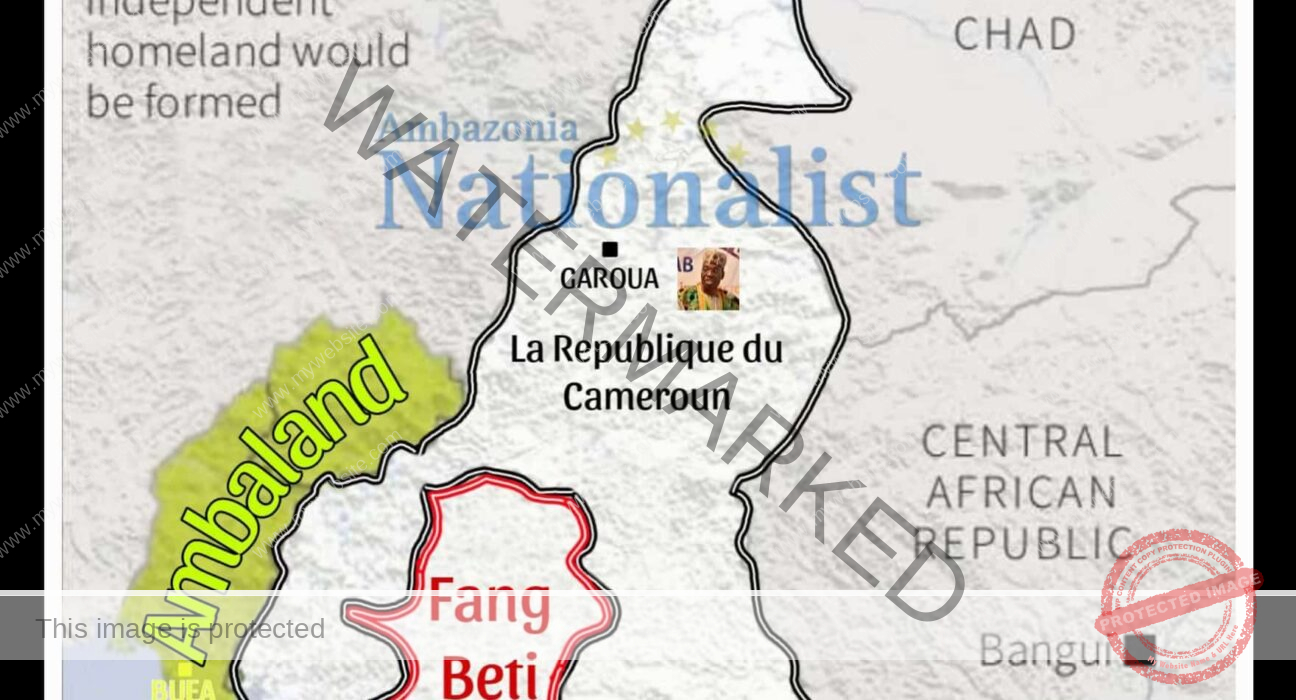


Across the board, three distinct fault lines are now visible. The Northern bloc—comprising the Far North, North, and Adamawa—has become increasingly alienated from Yaoundé’s southern elite and is now asserting its historical and cultural independence. The Southern bloc, encompassing the Centre, South, Littoral, and East regions, remains the stronghold of the Biya establishment, clinging to a crumbling notion of national unity and Ambazonia, whose sovereignty claim predates the Republic of Cameroon itself,
By The Independentist news Desk
A Nation Unraveling
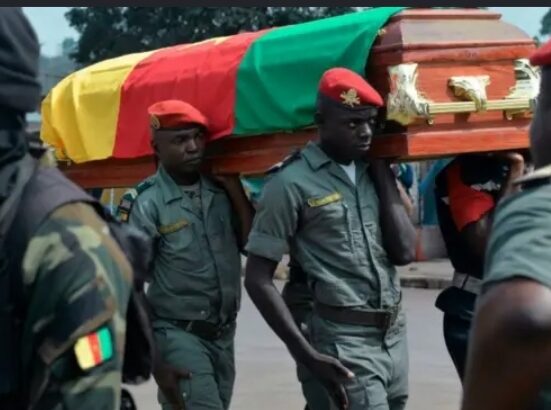
The unfolding political crisis in La République du Cameroun (LRC) after the disputed 2025 elections has exposed a structural weakness long hidden beneath its centralized façade. The electoral chaos, mass disenchantment, and regional unrest have opened the floodgates to a new reality: the country is breaking apart — politically, psychologically, and institutionally.
Emerging Fault Lines
Across the board, three distinct fault lines are now visible. The Northern bloc—comprising the Far North, North, and Adamawa—has become increasingly alienated from Yaoundé’s southern elite and is now asserting its historical and cultural independence. The Southern bloc, encompassing the Centre, South, Littoral, and East regions, remains the stronghold of the Biya establishment, clinging to a crumbling notion of national unity.
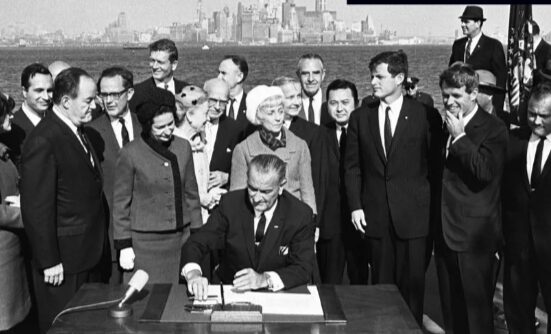
Meanwhile, Ambazonia, whose sovereignty claim predates the Republic of Cameroon itself, stands on firmer legal and historical ground, rooted in the 1961 United Nations Trusteeship system and the principles of international law governing self-determination.
The Historical Divide
While the north’s possible secessionist surge is driven by political marginalization and economic neglect, Ambazonia’s path is different—it is anchored in international legitimacy and historical continuity, not transient political discontent. The Ambazonian question is not about poor governance but about a people’s right to restore an extinguished sovereignty that was never legally transferred to Yaoundé.
A Diplomatic Vacuum
Yet, this fragmentation poses a profound diplomatic and humanitarian question: Who now speaks for the collapsing state of LRC? If power fractures into regional authorities, the old framework for negotiation with Ambazonia may dissolve entirely. Ambazonia’s interlocutor could cease to exist, or multiple competing factions might claim that role.
In such a vacuum, Ambazonia’s foreign policy will need to pivot—from resistance diplomacy to strategic engagement with emergent regional powers and the international community, ensuring that recognition and reconstruction are managed responsibly.
The Failure of International Institutions
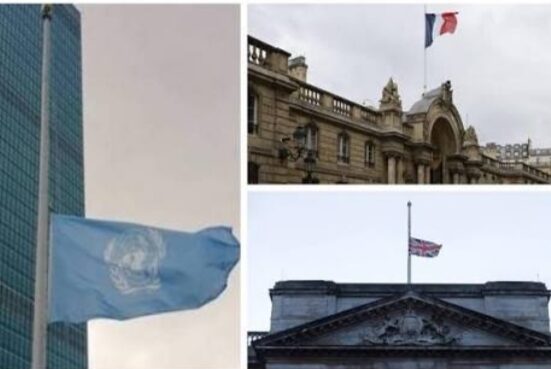
At the same time, this crisis lays bare the weakness of international organizations that preach human rights and democracy yet often stop at the doorstep of tyranny and dictatorship—too fearful to offend the powerful while innocent populations suffer.
These institutions organize expensive conferences, publish books, and fund endless workshops on “good governance,” yet shrink from confronting the very regimes that mock those principles. The moral inconsistency has become glaring: speeches replace action, and paperwork replaces courage.
Worse still, their vanilla policies have emboldened dictators, who know too well that international bodies—built on compromise and competing interests—rarely act against sovereign states with strong economic ties. Protected by this umbrella of global paralysis, tyrants now operate with confidence, exploiting the disunity of the international community while silencing their own citizens.
A Warning and an Opportunity
Ultimately, the implosion of LRC is both a warning and an opportunity. It warns of the dangers of unaccountable leadership and the arrogance of centralism, but it also offers an opening for a new regional order based on cooperation, respect, and self-determination.
For Ambazonia, this moment is not for triumphalism but for measured statesmanship—to show that freedom can coexist with peace, that justice can be pursued without vengeance, and that sovereignty is not merely a right but a responsibility.
The Independentist news Desk