









Commentary

We are home to news on Cameroon and the CEMAC region. We are dedicated to honest and reliable reporting. We are the voice of the Cameroonian people and their fight for freedom and democracy at a time when the Yaoundé government is silencing dissent and suppressing democratic voices.

For Ambazonia, the real question is not who controls the switch today. The real question is whether the next generation will inherit a nation capable of lighting its own future. That is the challenge of sovereignty. That is the challenge of development. And that is the challenge Ambazonia must prepare to meet.
By Timothy Enongene
Associate Editor-in-Chief, The Independentist News
EDEA – June 3, 2026 – For every nation, electricity is more than a public utility. It is the lifeblood of economic development, industrial growth, technological advancement, healthcare delivery, education, and national security. A country that cannot reliably power its homes, hospitals, schools, factories, and businesses cannot hope to compete in the modern world.
The persistent electricity crisis affecting both Southern Cameroons (Ambazonia) and La République du Cameroun raises an important strategic question: What lessons should Ambazonians draw from decades of centralized energy management, and what should an independent Ambazonia do differently?
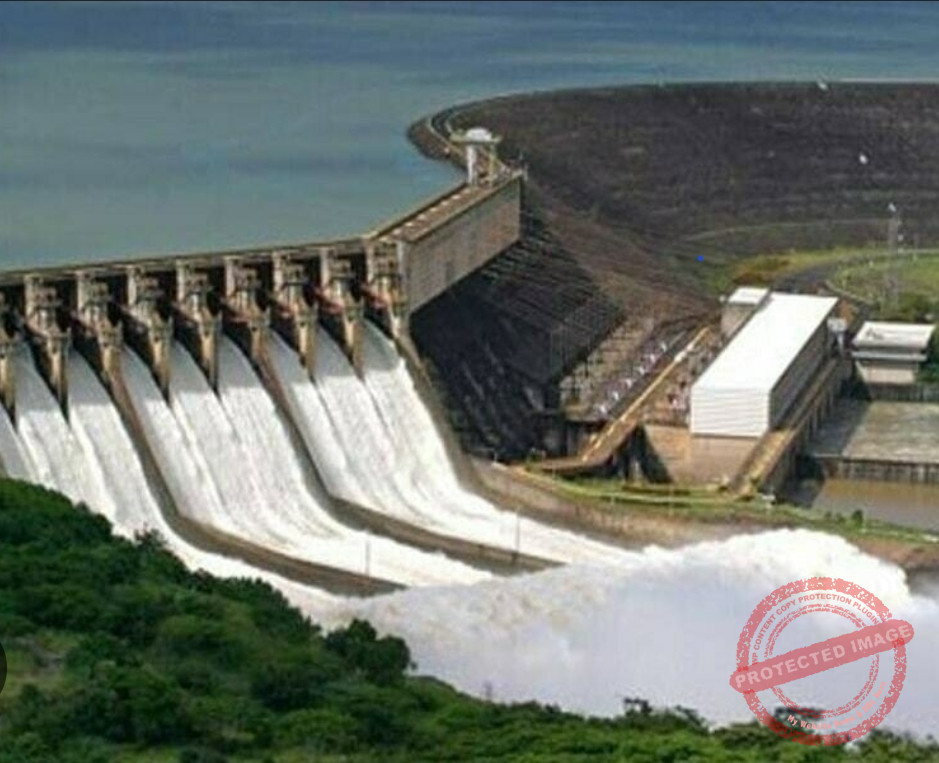
Before the dismantling of West Cameroon’s institutions, the territory possessed its own energy infrastructure and administrative capacity. The Yoke Hydroelectric Project and POWERCAM represented an era in which local institutions managed critical infrastructure closer to the people they served. While the scale of those facilities was limited compared to modern energy requirements, they nevertheless demonstrated an important principle: local management often creates greater accountability and responsiveness.
Over the decades, energy production and distribution became increasingly centralized. Citizens were promised greater efficiency, expanded generation capacity, and improved reliability. Yet the reality experienced by millions has been one of recurring blackouts, aging infrastructure, inadequate investment, and growing public frustration.
The consequences are visible everywhere.
Small businesses spend scarce resources on generators and fuel. Hospitals struggle during outages. Students attempt to study without reliable electricity. Manufacturers face higher operating costs. Investors hesitate to establish industries where energy supplies remain uncertain. The result is slower economic growth and diminished competitiveness.
For Ambazonians, the lesson extends far beyond politics. It is a lesson about development. The future prosperity of Ambazonia will not be secured merely through declarations of independence or diplomatic recognition. It will be secured through the construction of strong institutions and modern infrastructure capable of improving the daily lives of citizens. Energy must therefore occupy a central place in any long-term national development strategy.
Ambazonia possesses significant natural advantages. The territory enjoys abundant rainfall, numerous river systems suitable for hydroelectric generation, offshore natural gas resources, agricultural biomass potential, and growing opportunities in solar and renewable energy technologies. These resources provide the foundation for a diversified energy portfolio capable of supporting long-term economic growth.
Imagine an Ambazonia where Victoria ?serves as a major Atlantic energy and petrochemical hub. Imagine Tiko becoming a leading agro-industrial processing center powered by reliable electricity. Imagine Buea emerging as a technology and innovation city supported by world-class digital infrastructure. Imagine Bamenda evolving into a manufacturing and logistics center linked to modern transportation and energy networks.
None of these ambitions can be achieved without abundant, affordable, and reliable power. X̌zThe challenge before future Ambazonian leaders is therefore not simply to criticize past failures but to design a better system. The objective should be energy sovereignty: the ability to generate, distribute, and manage sufficient electricity to meet the needs of households, businesses, industries, and public institutions without excessive dependence on external actors.
Such a strategy would include the rehabilitation and expansion of hydroelectric facilities, development of natural gas resources, investment in solar generation, construction of modern transmission networks, and encouragement of private-sector participation in energy production.
Energy security is national security. It is also economic security. The nations that dominate the twenty-first century will not necessarily be those with the largest populations or armies. They will be those that successfully build the infrastructure required to unleash the productive potential of their people.
The recurring blackouts experienced today should therefore be viewed not merely as a utility failure but as a warning. They remind us that prosperity depends on competent institutions, sound planning, and strategic investment. For Ambazonia, the real question is not who controls the switch today. The real question is whether the next generation will inherit a nation capable of lighting its own future. That is the challenge of sovereignty. That is the challenge of development. And that is the challenge Ambazonia must prepare to meet.
Timothy Enongene
Associate Editor-in-Chief, The Independentist News
Share This Post:
BEYOND THE LEADERSHIP: HOW YAOUNDÉ’S CRACKDOWN PUTS GODWIN DZELAMONYUY’S FUTURE IN JEOPARDY
The Predictable Fate of Subversion: Lessons from the Fall of Ayaba and Effang Why Liberation Movements Ultimately Reject Internal Predation and Division
Related Post
SPIRITUAL CHOKE POINT, Guidance, Gatekeeping, and the Recovery of
WHEN INDEPENDENCE BECOMES STATECRAFT: What Scotland, Wales and Ireland’s
Dr. Martin Mungwa publishes Southern Cameroons 2050 : why
Adelle Nazarian of the Western Journal calls on the
NKAMOUNA, WASHINGTON, AND THE NEW POLITICS OF AFRICA’S STRATEGIC
When Conflict Becomes an Economy The Political Economy of