







Editorial commentary

We are home to news on Cameroon and the CEMAC region. We are dedicated to honest and reliable reporting. We are the voice of the Cameroonian people and their fight for freedom and democracy at a time when the Yaoundé government is silencing dissent and suppressing democratic voices.

Yaoundé understands this danger. Because once Ambazonia is no longer seen as “internal,” the entire architecture of silence begins to collapse. Diplomatic neutrality becomes complicity. Observation becomes endorsement.And the world is forced to choose.
By Timothy Enongene Guest Editor-in-Chief The Independentistnews
March 30, 2026
For decades, the regime in Yaoundé has hidden behind a single phrase—“internal matter.” It has been their diplomatic shield, their legal camouflage, and their moral escape route. Behind it, they have waged war, silenced communities, and attempted to bury a people’s identity under the language of sovereignty.
That shield is now cracking.
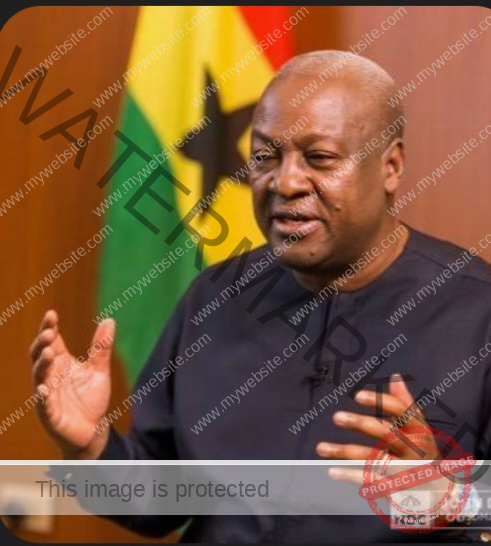
Enter John Dramani Mahama—not merely as a statesman, but as a disruptor of the global narrative. His push for Reparatory Justice at the United Nations is not an abstract moral campaign; it is a direct challenge to the unfinished business of colonialism. And in doing so, he is dismantling, piece by piece, the very foundation upon which Yaoundé’s “internal matter” argument rests.
Because once history is placed on trial, so too are its continuations. Mahama’s framing of slavery and colonialism as among the gravest crimes against humanity does more than revisit the past—it exposes the present. It forces the international system to confront an uncomfortable truth: colonialism did not simply end; in places like Ambazonia, it mutated.
What La République du Cameroun calls “unity” is, in reality, the continuation of annexation by other means. What it calls “territorial integrity” is the preservation of a colonial inheritance that was never consented to. And what it calls an “internal crisis” is, in fact, an international injustice unfolding in real time. This is where the Dramani Effect becomes strategic.
By elevating reparatory justice to the global stage, Mahama is expanding the legal and moral framework within which conflicts like Ambazonia must be understood. He is, whether intentionally or not, internationalising the Ambazonian question—placing it within the broader architecture of historical accountability. And that changes everything.
Because if the world accepts that historical injustices demand redress, then it must also accept that ongoing injustices demand intervention. If the 19th century can be judged, then the 21st century cannot be ignored.
For the administration of Samuel Ikome Sako, this moment is not symbolic—it is strategic alignment. It provides the language, the legal framing, and the diplomatic leverage to reposition Ambazonia from a “crisis” to a case—a case of unresolved decolonisation, a case of denied self-determination, a case that cannot be confined within borders drawn without consent.
Yaoundé understands this danger. Because once Ambazonia is no longer seen as “internal,” the entire architecture of silence begins to collapse. Diplomatic neutrality becomes complicity. Observation becomes endorsement.And the world is forced to choose.
The Uplifting Truth:
The tide is no longer turning—it is accelerating. When voices like Mahama’s call for truth, accountability, and historical justice, they are not speaking in isolation—they are amplifying a continental awakening. Africa is no longer negotiating with its past; it is confronting it.
And in that confrontation, Ambazonia stands not at the margins, but at the forefront. This is no longer a forgotten crisis. It is a defining test of whether justice is selective—or universal. Justice delayed is no longer justice denied. It is justice gathering force.
Timothy Enongene Guest Editor-in-Chief The Independentistnews
Share This Post:
WHEN A BRIDGE BECOMES A TRAP: JUSTICE FOR MILE 2 NKWEN
The Papal Visit: Two Nations, One Truth, and the Irreversible Sovereignty of Ambazonia
Related Post
IS THE WORLD LISTENING: THREE DAYS FOUR FRONTLINES, ASA
SEPTEMBER 24, 1965, THIS DAY IN HISTORY: From Equal
AMBAZONIA’S WAR- IS BIGGER THAN YAOUNDÉ: BRITAIN, FRANCE AND
THE DAY SEPTEMBER 22 1961: — WHAT AMBAZONIA CAN
TRUMP’S “SUPER INTELLIGENCE” ERA: WHAT IT REALLY MEANS —
Why Is Ambazonia More Powerful Than many Imagine.