

Placed side by side, the pattern is unmistakable.
Kennedy offered hope. Clinton demonstrated the deadly cost of Western silence. Bush delivered survival. Obama offered representation.
Trump exposed transactional reality. Yet none delivered African sovereignty. Africa will not be redeemed by who rises in the West, but by what Africa builds at home.
By the Independentist Political Desk
Kennedy: hope at the dawn of independence
John F. Kennedy’s engagement with Africa belonged to a rare moral moment. At the birth of African independence, he viewed the continent as both a strategic and ethical frontier. He challenged European colonial excesses, engaged African nationalists with respect, and launched the Peace Corps with Africa at its heart. Kennedy offered recognition and hope — scarce commodities from Western leadership at the time. Yet his assassination froze promise into memory. Vision did not mature into structural change, and dependency endured.
Clinton: moral failure and the cost of silence
Bill Clinton’s African legacy is inseparable from one of the gravest moral failures of modern history: Rwanda, 1994. As genocide unfolded in real time, the U.S. administration chose caution, legal semantics, and political avoidance over intervention. The refusal to name the crime as genocide was not ignorance; it was policy. Nearly a million lives were lost while the world’s most powerful office looked away.
Bill Clinton later expressed regret, but remorse does not resurrect the dead. For Africa, Rwanda became a permanent lesson in the limits of Western moral claims. Clinton’s presidency underscored a brutal truth: when African lives collide with Western political risk, silence can be policy — and silence kills.
George W. Bush: survival delivered, sovereignty deferred
George W. Bush approached Africa without symbolism or ancestry, yet left the most tangible footprint. Through PEPFAR, millions of African lives were saved and health systems strengthened across the continent. No U.S. president has had a more direct impact on African survival. Still, lifesaving aid deepened dependency and expanded securitized relationships. Bush invested in life, not sovereignty.
Obama: representation without structural transformation
Barack Obama’s ascent — as the son of a Kenyan father — shattered a psychological ceiling for the Black world. It proved that African ancestry is not a terminal barrier in Western power. That symbolism mattered profoundly. Yet for Africa, Obama’s presidency delivered representation without transformation. He governed as an institutional American president, not as an African-descended reformer.
Extractive trade patterns endured, IMF–World Bank orthodoxy remained intact, and security interests dominated policy. The Libya intervention destabilized North Africa and the Sahel, with consequences Africa still bears. Obama offered dignity of image and global visibility, but not structural leverage. The lesson was clear: representation without power does not liberate.
Trump: transactional realism and unintended clarity
Donald Trump’s approach to Africa was blunt, transactional, and stripped of moral theater. Africa was not a cause but a deal space. Yet this very posture produced unintended clarity. Initiatives such as Prosper Africa shifted emphasis from charity to commerce, from paternalism to negotiation.
Trump did not pretend to redeem Africa — and in doing so, exposed the raw mechanics of power. Transactions replaced sermons, forcing African elites to confront a long-avoided reality: partnerships are negotiated, not gifted.
The unresolved conclusion
Placed side by side, the pattern is unmistakable.
Kennedy offered hope. Clinton demonstrated the deadly cost of Western silence. Bush delivered survival. Obama offered representation.
Trump exposed transactional reality. Yet none delivered African sovereignty.
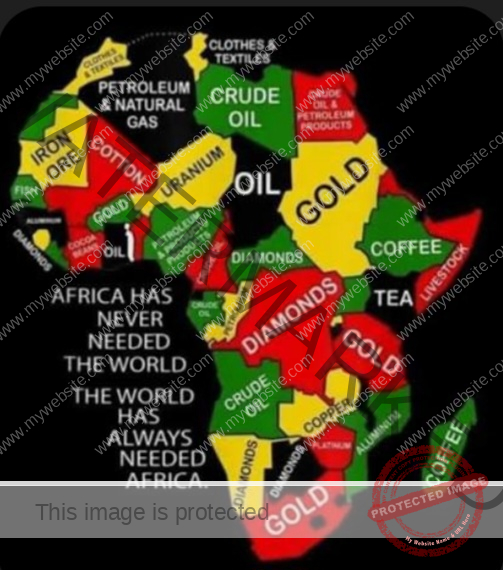
The lesson is sobering but necessary. Africa’s future has never hinged on ancestry, goodwill, apologies, or statues erected in Western capitals. Empires do not transform because one of their own looks like us, nor do they dissolve through aid or rhetoric. Africa will not be redeemed by who rises in the West, but by what Africa builds at home.
The Independentist Political Desk