




A people’s future requires more than confidence that circumstances will change. It requires decisions, institutions, knowledge, resources, and sustained public participation. Pray for peace. Support those suffering. Pray for wisdom. Examine the decisions made in the people’s name. Pray for a better future. Help build the capacity to sustain it. When the prayer meeting ends, responsibility remains.
By The Independentist News Religious and Spiritual Desk
As Amazon associate this site earns from qualifying purchases
Buy your copies of books on Ambazonia’s productive Sovereignty and statecraft, By Martin Mungwa from Amazon
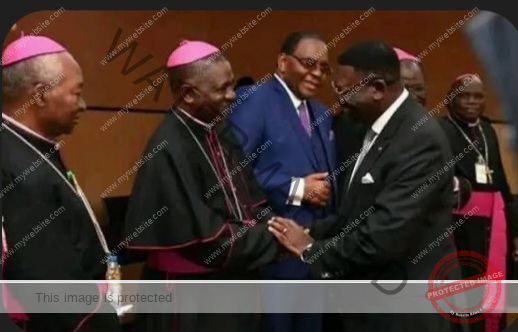
A community gathers to pray for peace, the release of prisoners, the return of displaced families, and an end to suffering. Those prayers can express solidarity, sustain courage, and remind people that they have not been abandoned. But what happens after the prayer meeting? Are families supported? Are abuses documented? Are representatives held accountable? Are diplomatic relationships developed? Are institutions strengthened? Or are people told to wait because the decisive breakthrough has already been promised?
The concern is not prayer itself. It is the possibility that spiritual reassurance may become a reason to postpone responsibilities that remain within human reach.
When Waiting Becomes a Political Strategy
There are circumstances in which patience is necessary. Political outcomes cannot always be accelerated, and reckless action can deepen suffering. Reflection, restraint, and careful preparation belong in any serious movement.
But patience requires a purpose. What is being prepared? What conditions are being monitored? What work continues while people wait? An instruction to remain hopeful is incomplete when it offers no account of those responsibilities. Repeated promises of imminent deliverance can encourage supporters to believe that organisation, diplomacy, and institutional reform have become unnecessary.
If a breakthrough is expected to arrive without preparation, missed opportunities may be explained away as part of a divine timetable rather than examined as political failures. A movement then loses the ability to learn from its decisions.
Prayer Can Strengthen Agency
Religious commitment can motivate public service. A prayer group can organise assistance for displaced families. A congregation can support education, encourage truthful reporting, and help people sustain difficult civic responsibilities.
Spiritual reflection can also restrain hatred, challenge corruption, and remind leaders that their authority carries obligations. These contributions give prayer a practical relationship with public life. The danger arises when believers are discouraged from acting, questioning, or evaluating results because those activities are portrayed as evidence of insufficient faith.
Trust in God need not require unquestioning trust in a political leader. Respect for a spiritual adviser need not require acceptance of every prediction. A person can pray sincerely while demanding a credible plan.
Responsibility Must Remain Visible
Political leaders make decisions about resources, representation, communication, and institutional priorities. Those decisions should remain open to examination.
If a fundraising campaign falls short, supporters deserve an account of its design and management. If diplomatic outreach produces little progress, the approach should be reviewed. If competing institutions divide a movement, their leaders should explain how they intend to resolve the dispute. Spiritual explanations cannot, by themselves, answer these questions.
Describing every setback as a test of faith may comfort people temporarily, but it can also obscure avoidable mistakes. A leader who invokes divine purpose still owes the public an explanation of choices made in office. Faith should not become a shield against accountability.
The Burden Placed on Suffering People
Communities facing prolonged conflict already carry substantial burdens. Some people have little money, limited mobility, or no safe means of participating publicly. They should not be blamed for circumstances beyond their control.
Yet political passivity can also be encouraged through messages that assign the entire future to supernatural intervention. People may come to believe that their only meaningful contribution is to pray, attend another broadcast, or await another declaration. That narrows their sense of agency.
Many forms of participation remain valuable without requiring exposure to danger: supporting a displaced household, preserving testimony responsibly, helping children continue their education, developing professional networks, or contributing expertise to accountable institutions.
The appropriate action depends on each person’s circumstances. The principle is that participation should be practical, voluntary, and connected to a clear purpose.
What This Means for Ambazonia
In the Ambazonian struggle, prayer can accompany the demand for peace, political rights, and a credible resolution of the conflict. It can help families endure loss and give communities space for reflection. But it cannot substitute for the work of representation.
Who has a mandate to speak? How are decisions made? How are funds accounted for? What proposals are being advanced? How will affected communities participate in evaluating a settlement? These questions require institutional answers.
Neither a prophetic endorsement nor a prayer meeting establishes that a political programme is sound. A movement must assess its leadership, strategy, and proposals through evidence and accountable procedures.
A promised victory date also does not remove the need to prepare for negotiations, protect civilian welfare, or develop the capacity to govern responsibly. Whatever the eventual political outcome, people will still need functioning institutions.
Political Action Must Also Face Scrutiny
Calling for action is not enough. Poorly conceived activity can waste resources, deepen divisions, or expose vulnerable people to unnecessary harm. The alternative to passive waiting is purposeful work with clear responsibilities and opportunities for review.
A campaign should identify what it seeks to achieve and how progress will be assessed. An institution should explain whom it represents and how it can be held accountable. A humanitarian appeal should connect contributions to identifiable needs.
Constant activity without evaluation can become another way of avoiding difficult questions. The measure is whether the work serves people and advances a credible objective.
A Different Role for Spiritual Leadership
Religious leaders can encourage this discipline. They can invite believers to combine prayer with service, preparation, and honest examination. They can acknowledge uncertainty instead of manufacturing deadlines. They can challenge political leaders without claiming exclusive knowledge of the future. They can also make room for disagreement.
A community is stronger when a person can question a strategy without being accused of betraying the cause or resisting divine will. Spiritual fellowship should offer support through uncertainty, including when a prediction fails or a political decision requires correction. That requires humility from the pulpit and accountability from political officeholders.
After the Prayer, the Work Remains
The question “prayer or political action?” presents a choice that many believers need not make. They can pray and organise, reflect and serve, hope and prepare. The decisive concern is whether spiritual dependence strengthens their capacity to act responsibly or gradually persuades them to surrender it.
A people’s future requires more than confidence that circumstances will change. It requires decisions, institutions, knowledge, resources, and sustained public participation. Pray for peace. Support those suffering. Pray for wisdom. Examine the decisions made in the people’s name. Pray for a better future. Help build the capacity to sustain it. When the prayer meeting ends, responsibility remains.
As Amazon associate this site earns from qualifying purchases
Buy your copies of books on Ambazonia’s productive Sovereignty and statecraft By Martin Mungwa from Amazon
The Independentist News Religious and Spiritual Desk