







For many observers, the coming years will be critical in determining whether Cameroon can balance its fiscal responsibilities with the need for political dialogue, institutional reform, and long-term economic resilience.
By Timothy Enongene, Guest Editor-in-Chief The Independentistnews
March 6, 2026
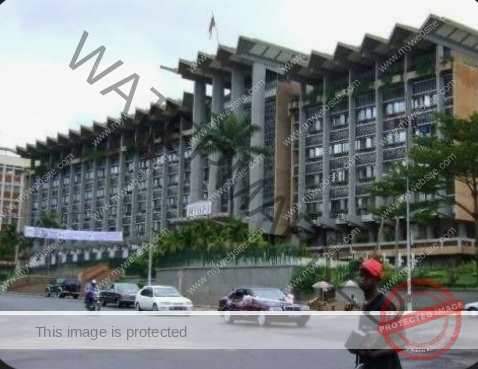
Recent reports that the government in Yaoundé plans to mobilize approximately CFA 1,650 billion in new borrowing have renewed debate about the direction of Cameroon’s public finances. Officials describe the borrowing program as part of a broader strategy to finance infrastructure, stabilize the budget, and meet development commitments. Yet critics argue that the growing debt burden reflects deeper structural pressures within the country’s political and economic system.
Over the past several years, Cameroon’s debt profile has expanded steadily. Rising public spending, combined with security expenditures and infrastructure commitments, has pushed the government to rely increasingly on both domestic and international financing. While borrowing is not unusual for developing economies seeking to invest in growth, economists often warn that sustained borrowing during periods of political instability can create long-term fiscal vulnerabilities.
The situation is further complicated by upcoming repayment obligations tied to international financial arrangements. Debt servicing requirements are projected to consume a growing share of government revenues in the coming years, placing pressure on the state’s ability to maintain public services while honoring its financial commitments.
For critics of the current political approach, the central question is not simply how much the government is borrowing, but why. Many argue that prolonged conflict and unresolved political grievances have placed significant strain on national finances, diverting resources away from economic recovery and social investment.
Supporters of the Ambazonian cause frequently point to the ongoing conflict affecting the territory historically known as Southern Cameroons, describing it as both a humanitarian crisis and an economic drain on the broader Cameroonian state. They contend that the cost of maintaining a prolonged security posture has compounded existing fiscal challenges.
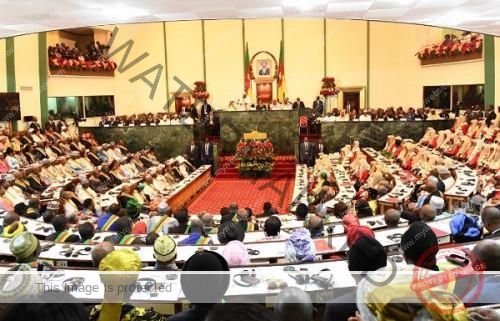
Signs of financial tension have also begun to surface within the political system itself. Reports circulating within political circles suggest that some lawmakers have raised concerns about delays in certain state payments and the broader strain on public finances. While such issues are not uncommon in complex fiscal environments, they have nevertheless fueled discussion about the sustainability of current economic policies.
At the same time, the government continues to emphasize the importance of maintaining national stability and fulfilling international financial obligations. Officials argue that borrowing remains a necessary tool for supporting economic growth, infrastructure development, and social programs.
Ultimately, the debate surrounding Cameroon’s borrowing plans reflects a broader national dilemma. Fiscal strategies alone cannot resolve deeper political and structural challenges. Economic stability is often closely tied to political stability, and prolonged conflict tends to magnify financial pressures rather than relieve them.
For many observers, the coming years will be critical in determining whether Cameroon can balance its fiscal responsibilities with the need for political dialogue, institutional reform, and long-term economic resilience.
What remains clear is that the intersection of debt, governance, and conflict will continue to shape the country’s trajectory—and the choices made today will influence not only the present but the financial future of generations to come.
Timothy Enongene, Guest Editor-in-Chief The Independentistnews



Leave feedback about this