

Africa is entering a new geopolitical era. The age of automatic French influence is ending. A more competitive, multipolar order is emerging. For France, this transition represents a profound challenge. For Africa, it represents an opportunity. The question is whether Paris will adapt to this new reality or continue defending structures that belong to a fading era.
By Ali Dan Ismael
Editor-in-Chief, The Independentist News
For decades, France was the undisputed power broker of Francophone Africa. Governments rose and fell with Paris’s blessing. Military interventions secured French interests. Economic networks connected former colonies to the French state. Political elites across Africa looked to Paris for approval, support, and legitimacy. Those days are ending. Across Africa, French influence is retreating. Military bases are closing. Anti-French demonstrations are growing. New global powers are replacing old patrons. And despite President Emmanuel Macron’s ambitious foreign policy vision, France finds itself confronting a reality that many in Paris are reluctant to acknowledge: Africa no longer needs France as much as France needs Africa.
Macron’s Vision Versus Reality
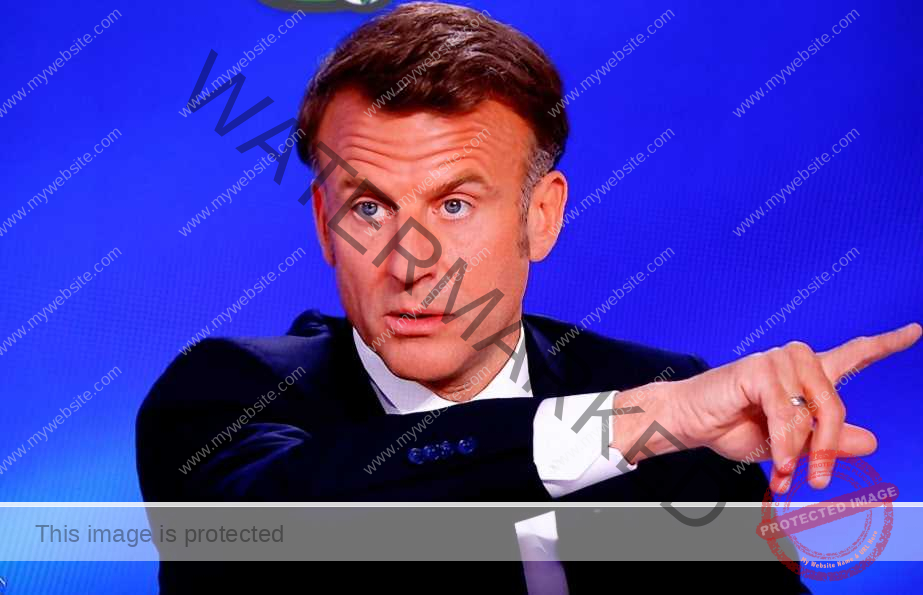
President Macron has spent much of his presidency promoting what he calls European strategic autonomy. The idea is simple. Europe should become less dependent on the United States for security, technology, energy, and geopolitical leadership. France hopes to lead that transformation. In theory, it is an ambitious and sophisticated vision. In practice, however, France faces serious limitations. Political divisions at home are weakening Macron’s authority. Economic pressures are mounting. Immigration remains politically explosive. Parliamentary opposition has made governance increasingly difficult. While Macron speaks of reshaping the international order, many French citizens are asking why domestic problems remain unresolved. The result is a widening gap between global ambition and political reality.
The African Rejection of Françafrique
The greatest challenge facing France is not Russia. It is not China. It is not even the United States. It is the growing rejection of the post-colonial system that France spent decades building across Africa. For generations, French policymakers operated under the assumption that influence could be preserved through military partnerships, economic dependence, elite networks, and political patronage. The system became known as Françafrique. It provided stability for some governments. It protected French commercial interests. It preserved French influence long after formal colonial rule ended. But it also created resentment.
Many Africans increasingly viewed the arrangement as independence in name but dependency in practice. Today that resentment is producing political consequences. Governments once considered reliable allies are distancing themselves from Paris. Military juntas openly challenge French authority. Young Africans are questioning whether France remains a partner or simply a former colonial power struggling to maintain relevance.
The Cameroon Exception
Nowhere is this contradiction more visible than in Cameroon. For decades, France has remained one of Yaoundé’s most important international supporters. French governments have consistently viewed Cameroon as a strategic partner in Central Africa. Security cooperation continued. Economic ties expanded. Diplomatic support remained strong. Yet during the conflict in Southern Cameroons, many observers have noted the relative silence of Paris. Villages were burned. Thousands died. Millions were affected by displacement, insecurity, and humanitarian suffering.
Despite France’s global advocacy for human rights, democracy, and international law, many Ambazonians believe Paris has shown little interest in addressing the political roots of the conflict. Whether that perception is entirely accurate is almost irrelevant. In diplomacy, perception often becomes reality. And among many English-speaking Cameroonians, the perception is clear: France has been more committed to preserving the existing political order than addressing the grievances that fuel the conflict.
Palestine and the Question of Consistency
In 2025, France formally recognized the State of Palestine. Macron presented the decision as support for peace, justice, and the principle of self-determination. The move earned praise from many parts of the international community. Yet it also raised difficult questions. If self-determination is a legitimate principle in one region, how should unresolved political disputes elsewhere be approached? If historical grievances deserve recognition in one context, should they be ignored in another? These are not simple questions. Nor do they automatically support any particular political outcome. But they expose a growing challenge for French diplomacy. Consistency matters. The modern world scrutinizes not only what governments say but also where they choose to remain silent.
The New Players in Africa
France is no longer competing alone. China finances infrastructure. Turkey expands trade. India increases investment. Russia offers security partnerships. The Gulf states bring capital. African governments now possess alternatives that previous generations lacked. This is transforming the diplomatic landscape. Influence that once belonged almost exclusively to Paris must now be earned. Historical relationships are no longer enough. Military cooperation is no longer enough. Cultural connections are no longer enough. France must compete. And competition is something former empires rarely enjoy.
The Ambazonian Lesson
The story of France’s declining influence contains an important lesson for Southern Cameroons. International politics is not driven by sentiment. It is driven by interests. No foreign government will support any cause simply because it is morally compelling. Support emerges when moral arguments intersect with strategic interests. For Ambazonians, this means the struggle cannot be framed solely as a humanitarian crisis or a historical grievance. It must also be connected to broader questions of regional stability, Gulf of Guinea security, democratic governance, migration management, economic development, and international law. The most successful diplomatic movements understand this reality. They do not merely seek sympathy. They build strategic relevance.
A Continental Turning Point
Africa is entering a new geopolitical era. The age of automatic French influence is ending. A more competitive, multipolar order is emerging. For France, this transition represents a profound challenge. For Africa, it represents an opportunity. The question is whether Paris will adapt to this new reality or continue defending structures that belong to a fading era.
History offers a warning.
Empires rarely recognize the moment their influence begins to decline. They usually discover it after others already have. Across Africa today, that realization is becoming increasingly difficult for France to ignore. And nowhere are the consequences of that reality more visible than in the unresolved conflicts and political questions that continue to shape the continent’s future.
Ali Dan Ismael
Editor-in-Chief, The Independentist News