










Commentary

We are home to news on Cameroon and the CEMAC region. We are dedicated to honest and reliable reporting. We are the voice of the Cameroonian people and their fight for freedom and democracy at a time when the Yaoundé government is silencing dissent and suppressing democratic voices.

It’s a reminder that identity and struggle are not enemies. You can be proudly African and still serve your American city. You can be from Ambazonia and still make your host country better. In fact, the more you serve where you are, the stronger your voice becomes for where you come from.
By The Independentist news desk
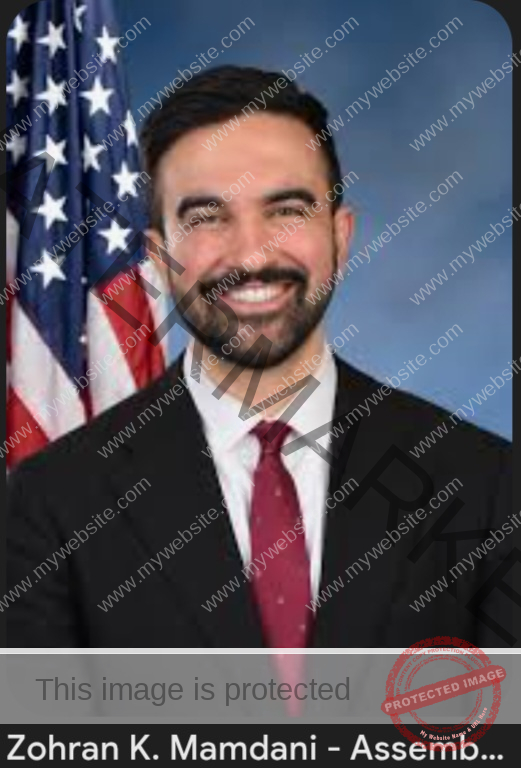
When the news broke that Zohran Mamdani had won the mayoral race in New York City, the world’s financial capital, it made many people pause.
Here was a young man born in Kampala, Uganda, the son of an Indian-American filmmaker, Mira Nair, and a Ugandan scholar, Mahmood Mamdani. He had grown up between continents, shaped by stories of exile, migration, and justice — yet he managed to convince millions of New Yorkers that his story was also their story.
For Ambazonians scattered across the world, there is something deeply meaningful in that. His victory is not just a personal triumph; it is a lesson in how a child of Africa, raised in the diaspora, can shape the politics of one of the most powerful cities on Earth — without denying his roots.
A Family of Ideas and Courage
Zohran’s parents are extraordinary in their own right. His father, Professor Mahmood Mamdani, is one of Africa’s most respected thinkers, known for his sharp analysis of colonialism and power. His mother, Mira Nair, is the award-winning filmmaker who gave the world Salaam Bombay! and Monsoon Wedding. Together, they raised a son who could think critically, speak boldly, and act compassionately.
They also taught him courage — the courage to stand for what is right, even when it is unpopular. Both parents have faced criticism for speaking against injustice in Palestine and for supporting the oppressed. Zohran inherited that same fire, but he turned it into practical politics.
Grounded but Global
What makes Zohran’s story remarkable is how local his campaign was. He didn’t run on the fame of his parents or his global background. He ran on the struggles of ordinary people — on rent, housing, transport, and jobs. He walked the streets, talked to families, and built alliances with immigrants, workers, and young people who wanted change.
It’s a reminder that identity and struggle are not enemies. You can be proudly African and still serve your American city. You can be from Ambazonia and still make your host country better. In fact, the more you serve where you are, the stronger your voice becomes for where you come from.
Lessons for Ambazonians in the Diaspora
Ambazonians living abroad — in America, Canada, Europe, or Africa — can learn several things from Zohran’s journey.
First, never hide your story.
Zohran didn’t run away from his background; he used it to connect with others. The Ambazonian story, too, is powerful — a story of broken promises, of courage under fire, of a people who still believe in freedom. Tell it, proudly and calmly.
Second, build coalitions beyond your own circle.
Zohran won because he worked with many different groups — immigrants, activists, students, and faith leaders. Ambazonians can do the same: work with African, Caribbean, and local human-rights communities. Struggles become stronger when they link arms with others.
Third, act where you are.
Zohran made change not in Kampala or Delhi, but in Queens, New York. For Ambazonians, helping your local community — volunteering, speaking up, or running for office — gives you credibility and influence that can later benefit your homeland.
Fourth, turn emotion into organisation.
Many in the diaspora feel deep pain about what is happening back home. But pain alone is not a strategy. Zohran’s campaign succeeded because it was well-organised: door-to-door outreach, small donations, clear goals. Ambazonians need more structured, accountable, and consistent institutions abroad — not just passionate debates on social media.
Finally, have patience and vision.
Victory does not come overnight. Zohran started as a community organiser, then became a state legislator, and only years later ran for mayor. Each step built experience and trust. Ambazonia’s freedom struggle also needs that kind of long-term thinking — steady, strategic, and unbreakable.
A Realistic Hope
Zohran Mamdani’s victory doesn’t mean the world suddenly becomes fair. Politics is still rough, power still resists truth, and identity can still be weaponised. But his success shows that the children of Africa — even those forced into exile — can shape the future of global cities, influence ideas, and open new doors.
It tells us that you can be from Ambazonia and still matter in the world. You can carry your homeland in your heart while serving humanity wherever you are planted.
The challenge is to organise with purpose, tell your story with grace, and lead with courage — just as Zohran did. Because when one child of Africa rises in truth and service, the entire continent — and yes, even Ambazonia — rises a little higher too.
The Independentist news desk
Share This Post:
Paul Biya’s Disputed 2025 Election — Power Without People
WHEN INTELLIGENCE CLOSES, TRUTH STILL SPEAKS: Dr. Martin mungwa clarifies in response to his francophone interlocutor.
Related Post
AN AMBAZONIAN RESPONSE TO, Navy Captain Cyrille Serge Atonfack
IS THE WORLD LISTENING: THREE DAYS FOUR FRONTLINES, ASA
SEPTEMBER 24, 1965, THIS DAY IN HISTORY: From Equal
AMBAZONIA’S WAR- IS BIGGER THAN YAOUNDÉ: BRITAIN, FRANCE AND
THE DAY SEPTEMBER 22 1961: — WHAT AMBAZONIA CAN
TRUMP’S “SUPER INTELLIGENCE” ERA: WHAT IT REALLY MEANS —