

France has finally acknowledged one chapter of its colonial history. The question now is whether the international community possesses the courage to examine the others. History suggests that eventually it will have no choice.
By Ali Dan Ismael Editor-in-Chief, The Independentist News
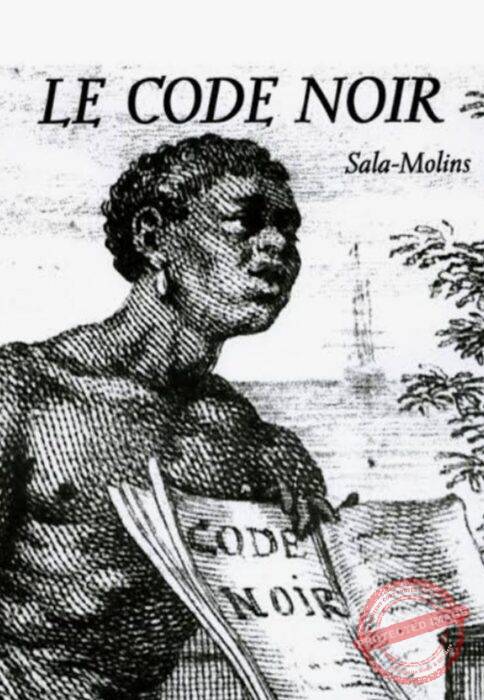
For nearly two centuries after France officially abolished slavery, one of the most infamous legal instruments in human history quietly remained on the books. The Code Noir—the Black Code—
This was issued by King Louis XIV in 1685. It transformed African human beings into property. It authorised their sale, their punishment, their exploitation, and their treatment as movable assets. Men, women, and children ceased to exist as persons under the law and became commodities. This law survived long after slavery itself had been abolished. Only now, in 2026, has the French Parliament finally voted unanimously to formally remove it from French law.
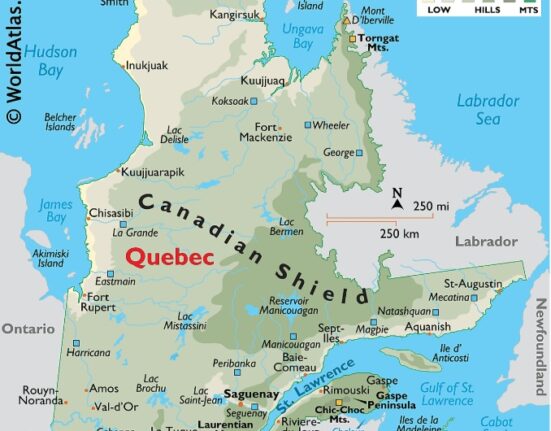
The decision is historic. Yet it raises a disturbing question. If a colonial law that was no longer enforceable still required formal repeal because of its symbolic significance, what does this say about the many unresolved colonial arrangements that continue to shape millions of lives around the world today? A case in point is The Southern Cameroons, known internationally as Ambazonia.
The Power of Unfinished History
The French Parliament’s decision demonstrates an important truth. History does not simply disappear because governments wish it away. Legal injustices may cease to operate in practice, but their consequences often continue long after the original laws have lost force. For decades, many French officials argued that the Code Noir was irrelevant because slavery had already been abolished. Yet descendants of those affected understood something deeper. They recognised that leaving such a law formally intact represented a refusal to fully confront the past. Eventually, France was compelled to acknowledge that reality. The lesson is simple. Unresolved historical questions do not die with time. They accumulate. They deepen. They return.
The Colonial Questions the World Still Avoids
Throughout Africa, Asia, the Caribbean, and the Pacific, numerous colonial-era arrangements continue to generate political disputes. Some involve borders. Some involve sovereignty. Some involve indigenous rights. Others involve incomplete decolonisation. The international system often prefers silence because silence is easier than confronting uncomfortable truths. Yet the repeal of the Code Noir demonstrates that historical legitimacy matters.
Governments eventually find themselves forced to revisit questions they once believed were settled. The issue is not merely what happened in the past. The issue is whether the consequences of those decisions continue into the present.
Ambazonia and the Principle of Incomplete Decolonisation
The Southern Cameroons question has long been framed by its supporters as a case of incomplete decolonisation. Whether one agrees with that argument or not, it is undeniable that the dispute has persisted for decades despite repeated efforts to suppress discussion. The conflict has generated displacement, humanitarian suffering, political instability, and international concern. But the underlying question remains unresolved.
Can a colonial-era political arrangement be considered permanently settled if a substantial population continues to challenge its legitimacy generation after generation? France’s repeal of the Code Noir offers no direct legal precedent for Ambazonia. It changes no treaty. It alters no international boundary. It creates no new rights. But it does reinforce an important principle. Historical grievances do not disappear simply because powerful institutions declare them closed.
Colonial Continuity in New Forms
One of the most striking aspects of the French parliamentary debate was the repeated use of the phrase “colonial continuity.” Speakers argued that while the legal structures of empire had changed, many of the inequalities created by colonialism continued to survive in new forms. This idea should not be dismissed lightly.
Throughout the world, former colonial systems often persist through administrative structures, economic arrangements, legal frameworks, and political relationships established during imperial rule. The names change. The flags change. The institutions change. Yet many of the underlying power relationships remain remarkably familiar. The debate in France illustrates a growing international willingness to examine these continuities rather than pretend they do not exist.
Why Britain Should Pay Attention
France is not the only former colonial power facing uncomfortable questions. Britain faces its own unresolved historical responsibilities. From Kenya to India, from the Caribbean to Southern Cameroons, debates over colonial legacy continue to grow. For decades, many officials assumed that time itself would solve these disputes. Instead, time has often strengthened them. The longer unresolved questions remain unanswered, the more difficult they become to ignore.
The Code Noir survived on paper for 341 years. History has a very long memory. A Lesson for the International Community The most important lesson from France’s decision is not legal. It is moral. A mature society is not one that hides from its past. A mature society is one willing to examine it honestly. The repeal of the Code Noir represents a recognition that symbolic injustices matter because symbols shape institutions, identities, and political realities.
The same principle applies to unresolved colonial questions across the globe. Whether in Africa, the Caribbean, Asia, or elsewhere, historical grievances cannot be permanently buried beneath silence. Sooner or later, societies must decide whether they will confront their past honestly or continue pretending that unresolved questions have somehow disappeared.
France has finally acknowledged one chapter of its colonial history. The question now is whether the international community possesses the courage to examine the others. History suggests that eventually it will have no choice.
Ali Dan Ismael Editor-in-Chief, The Independentist News