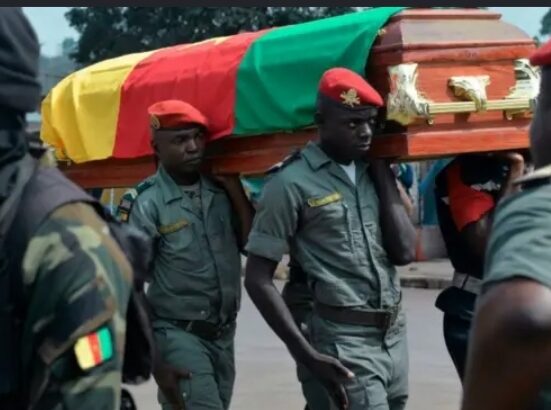
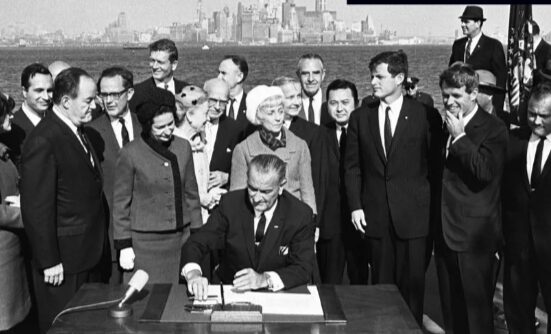
History records that Nkrumah and Mandela both proved a simple but profound truth: chains can confine a body, but never a vision. However, their ultimate success came not from prison itself, but from the unity of disciplined organization outside it.
By Ali Dan Ismael, Editor-in-Chief — The Independentist
Introduction: Context Matters
On November 12, 2025, Comrade Bruce invoked the noble examples of Kwame Nkrumah and Nelson Mandela, arguing that imprisonment does not diminish leadership and that prisoners can still command the moral and strategic direction of liberation movements. His reflection — sincere, eloquent, and historically grounded — deserves acknowledgment.
Yet, in our pursuit of truth and strategic clarity, we must also confront a subtle but dangerous misreading of history. For while the courage of imprisoned leaders inspired nations, it was the coordination of free men and women outside prison walls that transformed that inspiration into independence.
The Spirit of the Prisoner vs. The Mind of the Strategist
History records that Nkrumah and Mandela both proved a simple but profound truth: chains can confine a body, but never a vision. However, their ultimate success came not from prison itself, but from the unity of disciplined organization outside it. Nkrumah’s Convention People’s Party never stopped mobilizing. Mandela’s African National Congress in Lusaka and London worked day and night to give his message muscle, motion, and meaning.
Both men understood that leadership behind bars is symbolic, not administrative. A prisoner’s voice inspires the moral compass; the external movement executes the national course.
Ambazonia Must Not Misread Its Own History
With utmost respect to Comrade Abdul Karim and all patriots who hold the prisoners of Kondengui in high esteem, we must separate inspiration from administration. Supporting our jailed leaders is a moral duty. Allowing captivity to define national governance is a strategic blunder.
When Nelson Mandela negotiated from prison, he did not claim to be President of South Africa. He negotiated as a moral voice, guided by a functioning ANC executive structure abroad. That balance — conscience in prison, coordination in exile — was the secret to South Africa’s success.
Ambazonia must not reverse this formula. To do so would repeat the fatal mistake that divided our ranks and weakened our diplomacy.
The Role of the Diaspora and the Government in Exile
The diaspora remains the lifeblood of this struggle — the reservoir of intellect, advocacy, and finance. But it must act with strategy, not emotion. Some among us ridicule every negotiation or discredit every structured effort from exile, yet they offer no plan beyond slogans. Others, in misguided zeal, turn heroes in captivity into political oracles — creating dualism instead of direction.
Let it be stated with clarity: The Government of the Federal Republic of Ambazonia in Exile, under Dr. Samuel Ikome Sako, remains the only constitutional authority capable of international engagement and institutional representation. The Ambazonian prisoners in Kondengui are symbols of endurance, not substitutes for governance. To conflate the two is to paralyze the movement with sentiment.
Reconciling Honor with Order
We honor Sisiku Julius Ayuk Tabe for his historic declaration before a military court — “I am an Ambazonian.” That act of defiance immortalized him as a symbol of resistance. But symbolism must serve structure, not replace it. When attempts were made to run government from a prison cell, confusion followed. The result was fragmentation, not freedom. This is not betrayal — it is historical correction.
The moral energy of the prisoners must remain the soul of our struggle. The constitutional authority of the government in exile must remain its head. And the courage of our fighters at home must remain its body. Only when soul, head, and body align — will Ambazonia stand upright.
Conclusion: The Chain Is Not the Crown
History crowns not the jailed, but the just; not the loudest, but the most coordinated. Nkrumah and Mandela teach us that imprisonment can sanctify conviction but cannot substitute structure. Let our brothers in prison inspire us — but let our institutions in exile organize us.
Ambazonia’s victory will not come from the echo of our pain, but from the discipline of our planning. For in every liberation, symbolism is gold, but structure is diamond. Ambazonia needs both — but never confusion between them.
Ali Dan Ismael
Editor-in-Chief, The Independentist