












History reminds us that even the longest tunnels eventually open into light—if those walking through them refuse to abandon their humanity along the way.
By Carl Sanders, Guest Contributor, The Independentistnews, Soho, London
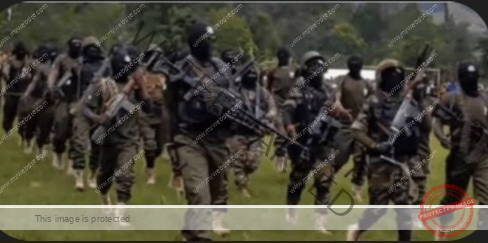
KUMBO – March 5, 2026 – To the self-defense fighters who remain in the hills and valleys of Bui and Momo: the moment we are living through demands reflection, honesty, and courage. Years of conflict have left deep wounds across our communities, and the sacrifices made by young men and women in the bushes cannot be dismissed or forgotten. Yet sacrifice alone cannot sustain a movement if trust within it begins to erode.
Across the diaspora and within the homeland, recent events—including arrests and investigations involving figures linked to armed groups—have reignited painful conversations about leadership, accountability, and the direction of the struggle. These discussions are not easy, but they are necessary. Any movement that seeks legitimacy must be willing to confront its own internal challenges.
The stories surrounding incidents such as the deaths associated with the Guzang 13, and the tensions that have followed within armed factions, continue to circulate widely among communities both at home and abroad. While many of these claims remain contested or unresolved, they have nevertheless raised serious concerns among ordinary Ambazonians who worry about division within the resistance.
For self-defense fighters on the ground, the greatest danger is not only the external conflict but the risk of internal mistrust. A struggle that began as a call for dignity and protection of communities cannot afford to lose sight of those principles. Civilians—farmers, traders, teachers, mothers—are the very people whose safety and future the struggle was meant to defend.
The self-defense fighters in Bui and Momo have long been regarded by many supporters as among the most resilient defenders of their communities. Their courage in the face of enormous hardship has become part of the narrative of resistance. But courage must always be matched with discipline, responsibility, and a commitment to protect the people.
History shows that liberation movements often pass through periods of internal questioning. These moments can either fracture a cause or strengthen it by forcing clarity about leadership, values, and goals. The outcome depends on whether those involved choose revenge and accusation, or reflection and reform.
To the self-defense fighters still standing in the forests and hills: your dignity does not come from loyalty to any single leader. It comes from loyalty to the people whose hopes gave rise to the struggle in the first place. If the movement is to retain moral authority, it must recommit itself to protecting civilians, rejecting abuses, and ensuring that the sacrifices made over the years were not in vain.
Many Ambazonians still believe that justice, dialogue, and a peaceful resolution remain possible. The road toward that future will require honesty, restraint, and a willingness to correct mistakes wherever they may have occurred.
The tunnel that the people of the region now walk through is long and painful. But history reminds us that even the longest tunnels eventually open into light—if those walking through them refuse to abandon their humanity along the way.
Carl Sanders, Guest Contributor





Leave feedback about this