






When Protest Costs More Than Killing: A Question of Justice in Cameroon
Justice must not only punish wrongdoing. It must demonstrate balance. When protest appears to cost more than killing, the question is no longer

We are home to news on Cameroon and the CEMAC region. We are dedicated to honest and reliable reporting. We are the voice of the Cameroonian people and their fight for freedom and democracy at a time when the Yaoundé government is silencing dissent and suppressing democratic voices.


Justice must not only punish wrongdoing. It must demonstrate balance. When protest appears to cost more than killing, the question is no longer
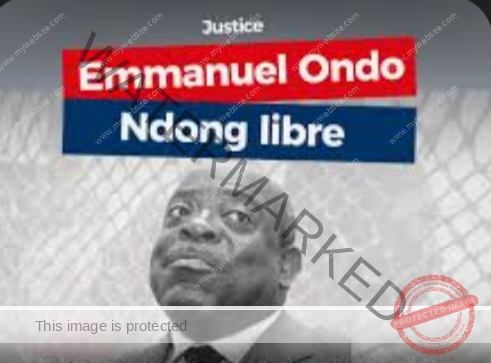
A government can survive opposition. It cannot survive sustained loss of credibility. When citizens begin to believe that public wealth can disappear more
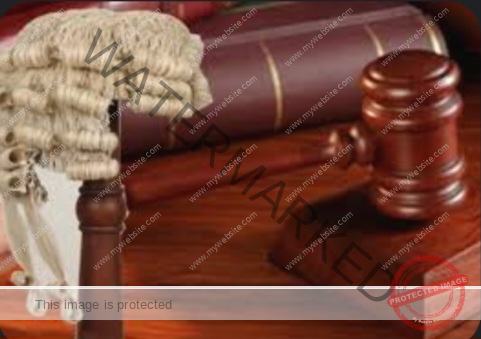
A legal system that visibly punishes the unlawful taking of life more severely than dissent strengthens itself. A system that appears to do
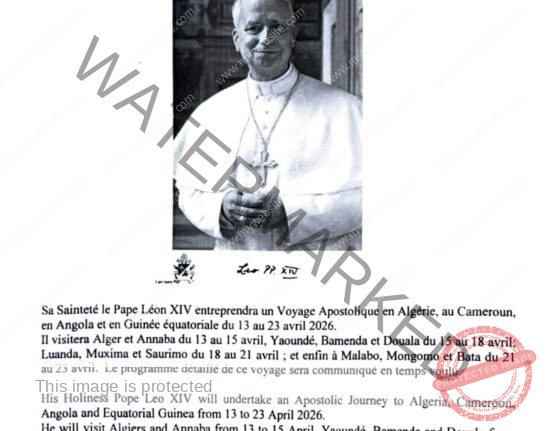
April 2026 will be a visible moment. The real question is not whether civil society speaks, but whether it speaks in a way
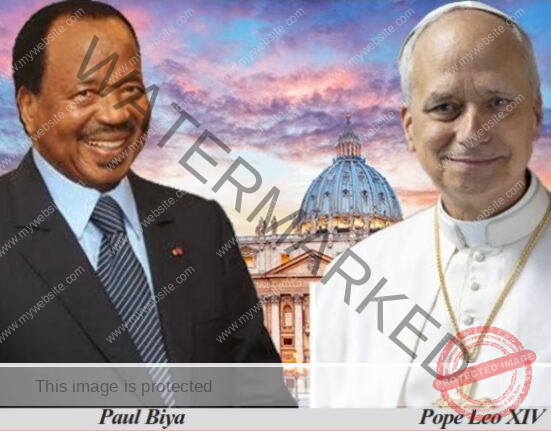
When Rome arrives, it does not simply bless. It observes. And in observing, it quietly shapes the future. The question is not whether
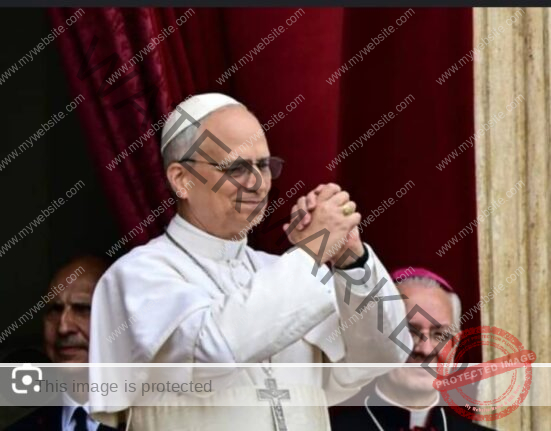
The world will be listening in April 2026. The moral authority of the visit creates space — but only disciplined voices will be

History shows that moral interventions do not solve conflicts overnight. But they can mark turning points. In April 2026, the world will watch
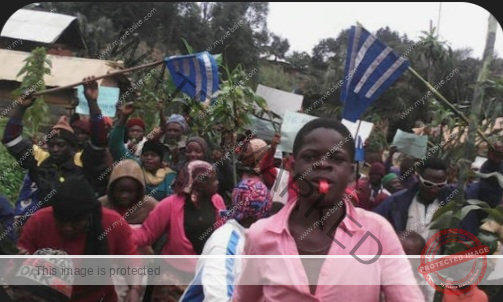
Movements endure when their people remain steady. The world may move on quickly. We cannot afford to forget ourselves. Ambazonia’s future will not
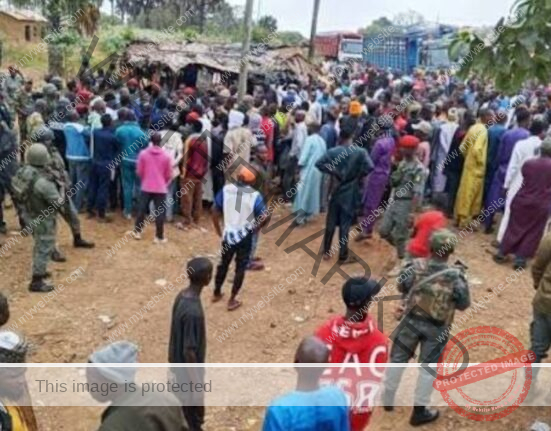
For those on the ground, unity of purpose—whether political, civic, or humanitarian—remains critical. But so does clarity: protracted armed confrontation rarely delivers clean
Articles 4(h) and 4(p) of the AU Constitutive Act: Sovereignty, Non-Indifference, and the Legal Duties of the African Union
Articles 4(h) and 4(p) were crafted to ensure that the African Union would not become a passive observer to grave crises within its