







THE MYTH OF “ANGLOPHONE”: A STRATEGY OF SUBSTITUTION THAT HAS FAILED
Let this be stated without apology: “Anglophone” is a manufactured label. It was introduced to replace a people with a category. It was

We are home to news on Cameroon and the CEMAC region. We are dedicated to honest and reliable reporting. We are the voice of the Cameroonian people and their fight for freedom and democracy at a time when the Yaoundé government is silencing dissent and suppressing democratic voices.

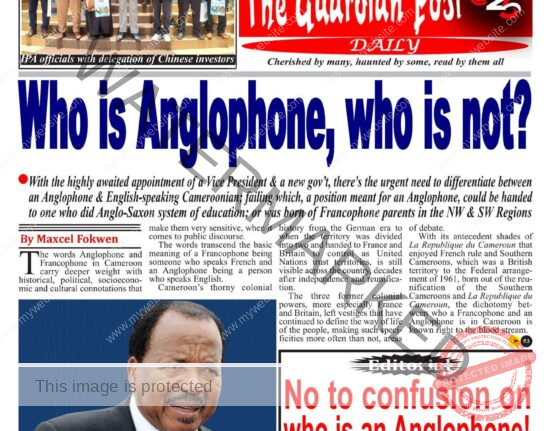
Let this be stated without apology: “Anglophone” is a manufactured label. It was introduced to replace a people with a category. It was

This moment does not ask for reaction. It demands conclusion. Not emotional conclusion. Structural conclusion. The question is no longer whether reform is
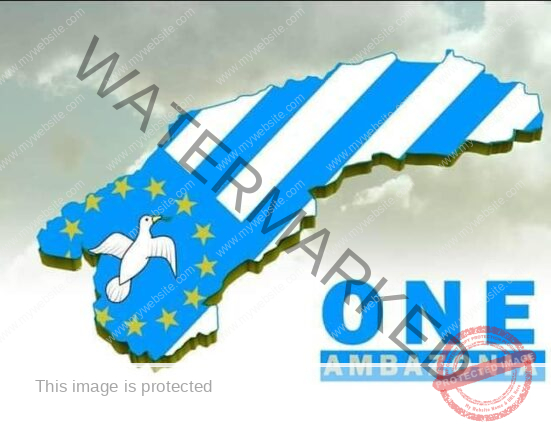
The history of the Southern Cameroons remains contested. The legal interpretations remain debated. But the present reality demands attention. What happens next will

The history of the Southern Cameroons’ transition from trusteeship to its post-1961 status is complex, contested, and deeply consequential. It cannot be reduced
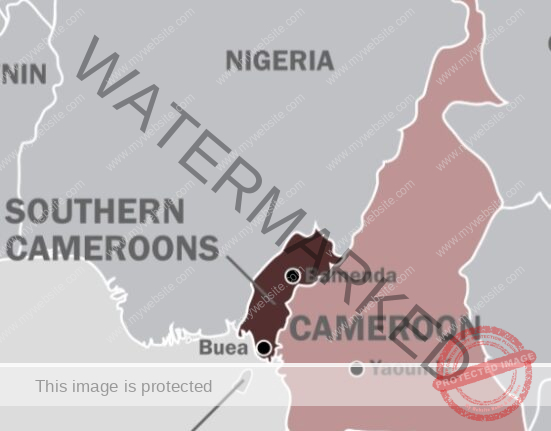
What is clear is that the questions raised during that period have not been conclusively resolved in the eyes of many observers. As

After decades of endurance, appeals, negotiations, and betrayals, the line has been drawn. Not as a threat. Not as a posture. But as
This guide is not a substitute for legal protection or institutional accountability. However, it provides practical steps that individuals and communities can take
A credible path forward requires transparency, verification, and engagement from all relevant stakeholders—local, national, and international. Until then, for many residents, silence is

These are not tears of conviction. They are the tears of a model under pressure. They are the reflex of those who see
THE ORIGINAL BETRAYAL: HOW AHMADOU AHIDJO STOLE THE FUTURE OF CAMEROON — AND WHAT MUST BE DONE NOW
Cameroon now faces a defining choice: remain a nation where power is arranged, or become one where power is earned. Continue as spectators,