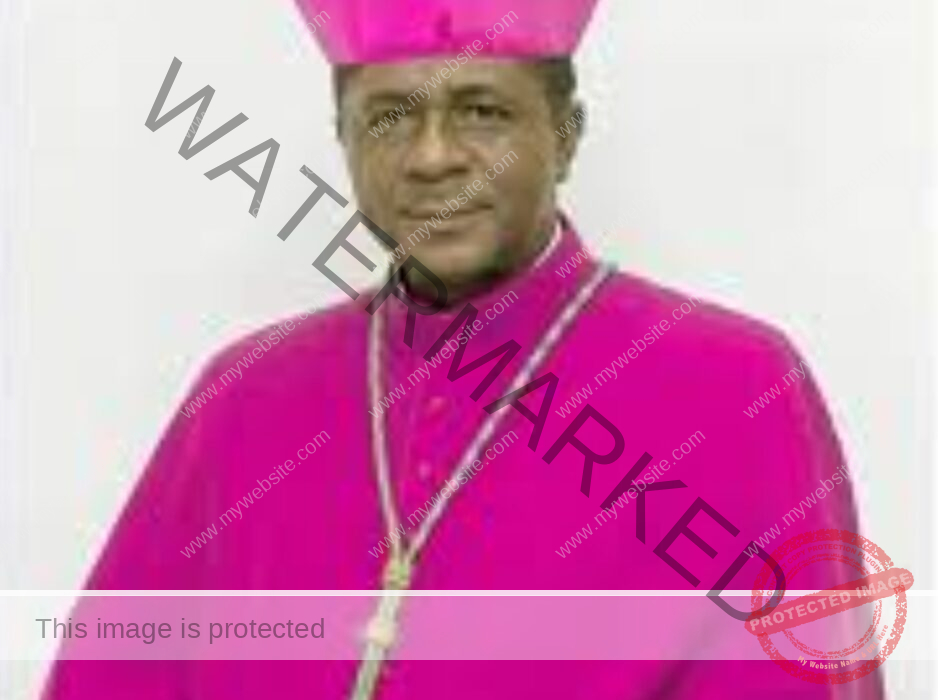


Archbishop Nkea may keep the garments of office, but moral authority is earned — and he has lost it. The people of Bamenda deserve a shepherd worthy of their pain. It is time for Rome to send him elsewhere. It is time for accountability. It is time for conscience.
By The Independentist Editorial Desk
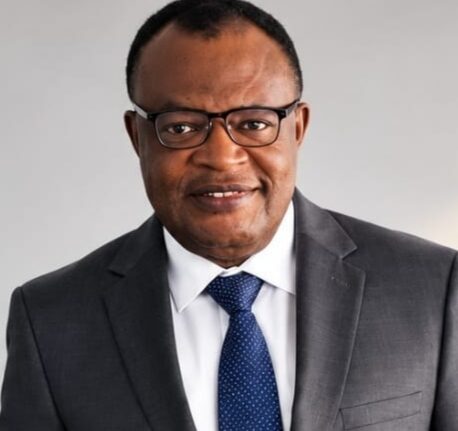
In moments of historic suffering, the Church should stand with the oppressed, speak truth without fear, and offer moral clarity where politics has failed. Yet in Bamenda — the beating heart of the Ambazonian struggle — Archbishop Andrew Nkea has come to symbolize division, mistrust, and a disturbing proximity to the very forces that oppress his people.
Across Ambazonia, across Cameroon, and even within Church corridors stretching all the way to Rome, the same conclusion is emerging: Archbishop Nkea has lost the moral confidence of his flock. A Prelate Who Deepens Division Instead of Healing It.
The Archbishop’s conduct during the National Dialogue remains one of the most painful memories for many Ambazonians. He forcefully insisted that the North West and South West must not be under one administration — though he had no mandate to speak for either region.
He engaged in a public confrontation with the late John Fru Ndi, insisting on a divisive representation model that served the regime’s playbook rather than the aspirations of a historically unified people. For many Southern Cameroonians, this was the clearest signal that the Archbishop was not guided by the spirit of unity — but by a logic of division.A shepherd should mend wounds. He appeared to widen them.
A Leader Who Once Knew Freedom — But Abandoned Conscience
Born in the mid-sixties, Archbishop Nkea grew up at the tail end of a Southern Cameroons that still carried the dignity and memory of political autonomy. He saw the remnants of a functioning society. He knew what freedom looked like. He heard the stories of constitutional dignity.
Yet today, many believe he has turned his back on that heritage, choosing influence, access, and alignment with powerful interests over moral courage. This is why the disappointment is so deep.
It feels like a betrayal from someone who knew better.
The Alliance to Undermine the Sako Administration
The Archbishop’s perceived involvement in political gamesmanship has only intensified mistrust. For years, many Ambazonians observed his open alignment with political figures from his tribal bloc — including personalities such as Chris Anu, Paul Tassong, Dr. Metuge, and Rev. Asong — during key moments when the legitimacy of President Dr. Samuel Ikome Sako came under coordinated attack.
These alliances, whether deliberate or coincidental, fed a public perception that the Archbishop had stepped far beyond pastoral duty and into the arena of factional politics. And just like every attempt to fracture the Ambazonian movement,
this one failed too.
Today, the question circulating among the faithful is blunt: Is Archbishop Nkea just another Eleventh Province partisan in clerical robes? The question is painful precisely because it feels earned by his actions, not invented by his critics.
The Nuncio’s Visit: A Watershed Moment for Rome
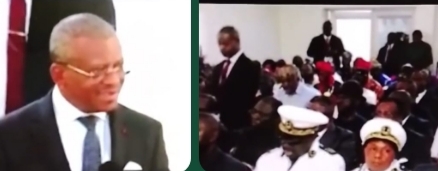
If Rome still wondered whether the situation in Bamenda required intervention, the recent visit of the Apostolic Nuncio provided the answer. Standing beside Archbishop Nkea, embracing troubling narratives, and demonstrating shocking insensitivity in a land soaked with blood, the Nuncio’s visit exposed — in full daylight — the pastoral crisis within the Archdiocese.
For a wounded population, it was a spiritual earthquake: No empathy. No acknowledgment of injustice. No recognition of suffering.
To many, the behavior of the Nuncio and Archbishop Nkea reflected not the compassion of Christ, but the cold detachment of officials insulated from the pain of the people. It was a moment that demanded Rome’s attention. A moment that revealed the deep moral void. A moment that begged for correction.
Is It Time for Rome to Transfer Archbishop Nkea?
More and more Catholics — priests, laity, and Church observers — now believe the answer is yes. Not as an act of hostility. Not as politics. But as a matter of pastoral survival. A bishop who: deepens regional division, aligns publicly with political factions, loses credibility among the suffering, and cannot empathize with a dying people, cannot remain the shepherd of Bamenda. Rome has reassigned prelates for far less than this. If the Church believes in discipline, conscience, and responsibility, then the time to act has arrived.
Bamenda Needs a Shepherd — Not a Political Operator
The Archdiocese of Bamenda is not ordinary territory. It is sacred ground drenched in tears —
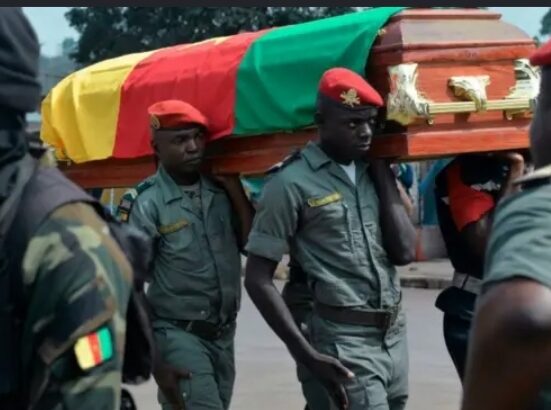
a land of burned villages, mass graves, starving families, and unending grief. Such a place requires a leader of: courage, clarity, empathy, and truth. But Archbishop Nkea has shown: political calculation, divisive rhetoric, selective moral outrage, and distance from the suffering of his people. This is not a shepherd’s heart. It is a politician’s instinct. And politicians do not heal souls.
Rome Must Choose: Conscience or Comfort
The Ambazonian crisis will enter the history books.
And the Church will not escape judgment. Was it on the side of the suffering — or the powerful? Did it choose truth — or convenience? Did it stand with Christ — or with Caesar?
Archbishop Nkea may keep the garments of office, but moral authority is earned — and he has lost it. The people of Bamenda deserve a shepherd worthy of their pain. It is time for Rome to send him elsewhere. It is time for accountability. It is time for conscience.
The Independentist Editorial Desk