












If an Ambazonian meets someone influential and privately shares our story, that is commendable. But it is not diplomacy. It is private advocacy. If that private advocacy yields results, those results become part of silent diplomacy, the kind recognized around the world.
By Barrister Timothy Mbeseha | The Independentist contributor
Diplomacy is one of the most delicate instruments of national survival. It requires maturity, sobriety, confidentiality, and strategic timing. Historically, nations that mastered diplomacy did so by cultivating depth—not noise; relationships—not photo-ops; outcomes—not self-promotion.
But in recent months, Ambazonia’s public discourse has been inundated by a new and controversial concept: “Open Diplomacy.” Its loudest champion is a recently registered NGO, Friends of Ambazonia, an organization whose stated mission is humanitarian relief but which has slowly repositioned itself as a pseudo-diplomatic wing of the liberation movement.
This shift deserves close scrutiny, not because Ambazonians should reject innovation, but because diplomacy must be rooted in clarity of purpose and respect for established norms.
Humanitarian Work Is Not Diplomacy
Friends of Ambazonia was registered in January 2025, the very month the Truth and Reconciliation Commission released its findings—a coincidence that becomes more meaningful when one notes that several founding actors previously associated with destabilization attempts against the Ambazonian government resurfaced around the same time.
The organization’s stated goals—human rights advocacy and humanitarian aid—are legitimate and necessary. But none of these mandate or justify the assumption of diplomatic authority. Humanitarianism is about relief. Diplomacy is about statecraft. The two should not be confused. When humanitarian actors begin to present everyday social interactions as diplomatic breakthroughs, not only do they dilute the meaning of diplomacy, they risk trivializing the struggle itself.
What Exactly Is “Open Diplomacy”?
If open diplomacy means transparency in public engagement, then it can be encouraged. But if open diplomacy means transforming routine invitations, church prayers, birthday parties, and political fundraisers into supposed diplomatic victories for Ambazonia, then the public deserves an honest conversation.
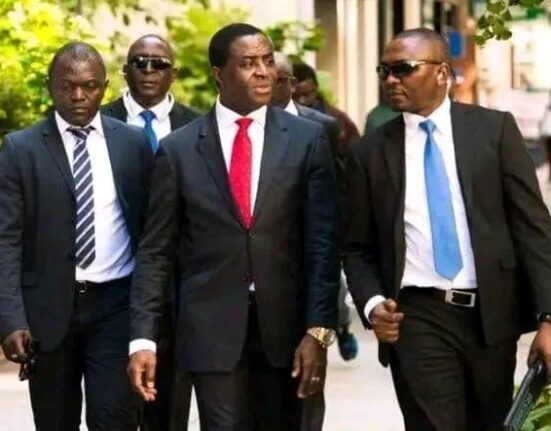
For example: When Dr. Tita attends a political fundraiser at Mar-a-Lago and labels it a diplomatic milestone, what exactly was negotiated? When he poses for photos in a hotel lobby surrounded by loyalists and “Ghana-Must-Go” bags filled with branded T-shirts, how does this advance Ambazonia’s international standing? When he attends an 80th birthday celebration in Atlanta or when Pastor Victor is allowed to give an opening prayer somewhere, in what sense does this constitute diplomatic engagement on behalf of a state-in-waiting? These are fair questions, not personal attacks.
If an Ambazonian meets someone influential and privately shares our story, that is commendable. But it is not diplomacy. It is private advocacy. If that private advocacy yields results, those results become part of silent diplomacy, the kind recognized around the world. The danger lies not in someone attending events, but in marketing ordinary social appearances as national diplomatic breakthroughs.
Diplomacy Requires Substance, Not Self-Promotion
Publishing a small article in the inner pages of a minor newspaper is not a diplomatic success story. Being in proximity to important people is not diplomacy. Attending political fundraising events is not statecraft.
Diplomacy is measured by: Shifts in policy, New channels of communication, Formal recognition, Binding commitments, Institutional engagement, And these are rarely achieved through public theatrics or social-media celebrations. They are built quietly, constantly, and professionally. If we allow diplomacy to be replaced by staged optics, Ambazonia risks losing credibility both inside the struggle and within the international community.
Guarding the Integrity of the Ambazonian Cause
Ambazonia’s struggle has survived because of discipline, courage, and a deep sense of historical duty. That duty must extend to the way we present ourselves on the global stage. Innovative approaches to diplomacy are welcome. But gimmicks are not innovations, and self-promotion is not strategy. Friends of Ambazonia, like any NGO, can play a constructive role—especially in humanitarian relief. But it must not confuse relief work with diplomatic authority nor mislead the public by branding personal social engagements as national victories.
Ambazonia deserves diplomacy that is serious, sober, and grounded in internationally accepted norms—not publicity exercises. The world is watching. We must give them something worthy of a nation seeking freedom.
Barrister Timothy Mbeseha



Leave feedback about this