



The central question is not whether a Fon supports a particular political administration or independence movement. It is whether the institution he leads remains capable of serving its people with integrity, independence, and compassion. A crown may be inherited. A throne may be occupied. But public trust must continually be earned.
By Timothy Enongene
Editor-in-Chief, The Independentist News
18 November 2026
As Amazon associate this site earns from qualifying purchases
Follow the Amazon link below to get your copies of the many publications on the Ambazonian revolution By Martin Mungwa
There is a profound difference between occupying a traditional throne and deserving the respect associated with it. A crown may confer recognition. A palace may symbolize authority. Traditional regalia may represent centuries of cultural inheritance. Yet none of these, by itself, establishes the moral legitimacy of a ruler who fails to place the dignity, security, and welfare of his community at the centre of his responsibilities.
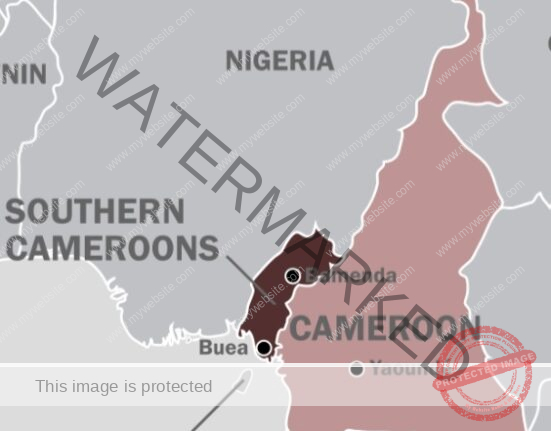
The principle is simple: A throne derives its enduring significance not from proximity to political power, but from the trust and protection it offers the people. For traditional rulers in the former British Southern Cameroons, known to independence advocates as Ambazonia, this principle raises difficult questions amid a conflict that has profoundly disrupted civilian life.
Since 2016, communities across Cameroon’s North-West and South-West regions have experienced killings, displacement, destroyed property, arbitrary detention, abductions, intimidation, and severe restrictions on everyday life. International human rights organizations have documented abuses committed by government forces and armed separatist groups alike.
Families have been uprooted. Children have experienced interrupted schooling. Communities have faced insecurity, sometimes with limited access to protection or justice. In such circumstances, what responsibilities should traditional rulers exercise?
What does it mean to protect a community when violence comes from multiple directions? How should a Fon balance relations with state authorities against his responsibility to those who look to the palace for leadership? These are not merely political questions. They concern the ethical foundations of customary authority.
A Fon Is More Than a Ceremonial Figure
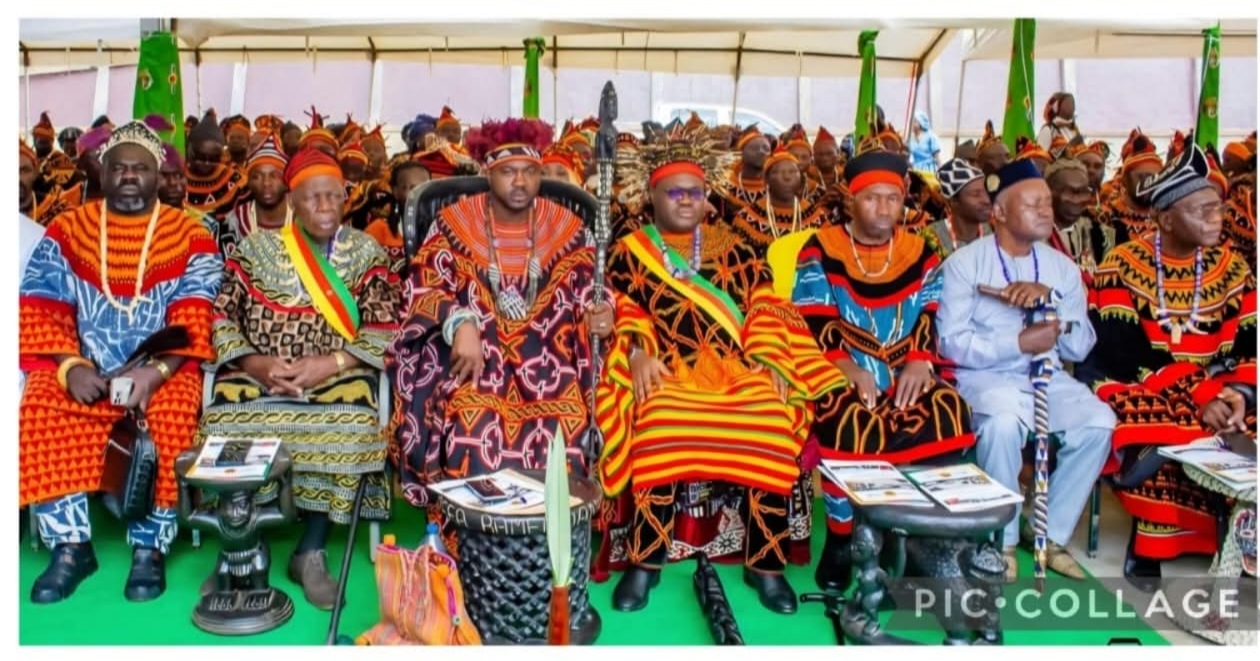
A Fon is not simply a participant in government ceremonies or a recipient of administrative recognition. Traditional leadership carries cultural, historical, and communal responsibilities. The palace represents an institution through which identity, custom, ancestral heritage, and the continuity of community life are preserved.
That responsibility becomes especially consequential during periods of conflict. A ruler who enjoys the privileges of traditional office should also recognize the obligations accompanying those privileges: listening to grievances, assisting vulnerable families, speaking against abuses, encouraging peaceful resolution, and defending the community’s collective dignity.
None of these responsibilities requires armed confrontation or partisan allegiance. It requires something both simpler and more demanding: an enduring commitment to the welfare of ordinary people.
Cooperation Must Never Become Complicity
Traditional rulers often operate within complex political and administrative environments. Maintaining relations with government institutions may be necessary to secure public services, facilitate humanitarian assistance, resolve disputes, and protect local communities. Cooperation, however, must not be confused with unconditional endorsement.
There is an important distinction between working with an authority to protect civilians and lending traditional legitimacy to conduct that violates their rights. When credible allegations of unlawful killings, arbitrary arrests, intimidation, or destruction of property emerge, traditional leaders should be able to seek accountability without being treated as enemies of the state.
Equally, when armed groups threaten civilians, impose coercive restrictions, abduct residents, or attack community institutions, traditional rulers should be able to condemn such acts without fear of retaliation. The protection of civilians must not depend on which side is responsible for their suffering.
Traditional Rulers Are Also Vulnerable
The pressures facing Fons must not be underestimated. Traditional leaders have themselves faced threats, abductions, attacks, and, in some cases, killings during the Anglophone conflict. This reality complicates easy judgments about public silence.
A ruler who refrains from making a public declaration may be acting under intimidation, seeking to protect his family, or attempting to prevent reprisals against his community. It would therefore be unjust to treat every act of silence as evidence of betrayal. Nevertheless, the existence of danger does not eliminate the ethical responsibility to seek ways of protecting civilians.
Leadership may be expressed through quiet mediation, private representations to authorities, humanitarian intervention, support for displaced families, or discreet efforts to prevent violence. Moral courage is not measured exclusively by public speeches. It may also be demonstrated through responsible action undertaken under difficult circumstances.
The Throne Belongs to the Institution, Not Merely Its Occupant Traditional authority predates many contemporary administrative arrangements. Its continuity depends on more than government recognition, financial resources, ceremonial visibility, or the personal prestige of an individual ruler.
A palace must remain connected to the community whose heritage it represents. When that connection weakens, traditional institutions risk losing public confidence, even if their formal status remains unchanged. A ruler’s influence should therefore be examined through practical questions.
Are vulnerable families receiving assistance? – Can ordinary residents communicate their grievances without fear? – Does the palace facilitate peaceful dispute resolution? – Is customary authority exercised impartially? – Does the traditional institution preserve its independence sufficiently to speak on behalf of community interests? These questions provide a meaningful basis for discussing accountability without reducing traditional leadership to partisan allegiance.
History Will Remember More Than Ceremonies
Periods of national crisis frequently expose tensions between official recognition and public trust. Traditional rulers may be remembered for their diplomatic achievements, their efforts to safeguard cultural institutions, or their contributions to stability. They may also be remembered for decisions that affected the security and dignity of their communities.
The historical record must be based on evidence, not assumption. Yet the broader principle remains: leadership carries responsibilities that extend beyond the preservation of office. A traditional ruler’s legacy cannot be measured solely by the size of his palace, the number of dignitaries attending his ceremonies, or the recognition he receives from political authorities. It must also be considered in relation to the welfare of the people entrusted to his care.
A Responsibility That Cannot Be Delegated
The present crisis has created difficult circumstances for traditional institutions throughout the former British Southern Cameroons. No single Fon can end the conflict. No palace can independently guarantee civilian security. No customary institution should be expected to substitute for functioning legal protections, accountable public administration, or credible mechanisms of justice.
Nevertheless, traditional rulers retain important opportunities to contribute to community protection, dialogue, humanitarian relief, and reconciliation. Their authority can be used to reduce tensions rather than deepen them, to give vulnerable residents a hearing rather than exclude them, and to preserve cultural dignity amid political disagreement.
The central question is not whether a Fon supports a particular political administration or independence movement. It is whether the institution he leads remains capable of serving its people with integrity, independence, and compassion. A crown may be inherited. A throne may be occupied. But public trust must continually be earned.
History will record who held traditional office during this conflict. It will also examine how those entrusted with customary authority responded to the suffering of their communities.
A THRONE SHOULD BE A SOURCE OF PROTECTION, NOT A SHIELD AGAINST ACCOUNTABILITY.
The Independentist News — Truth, Justice and the Restoration of Dignity.
Timothy Enongene
Editor-in-Chief, The Independentist News