












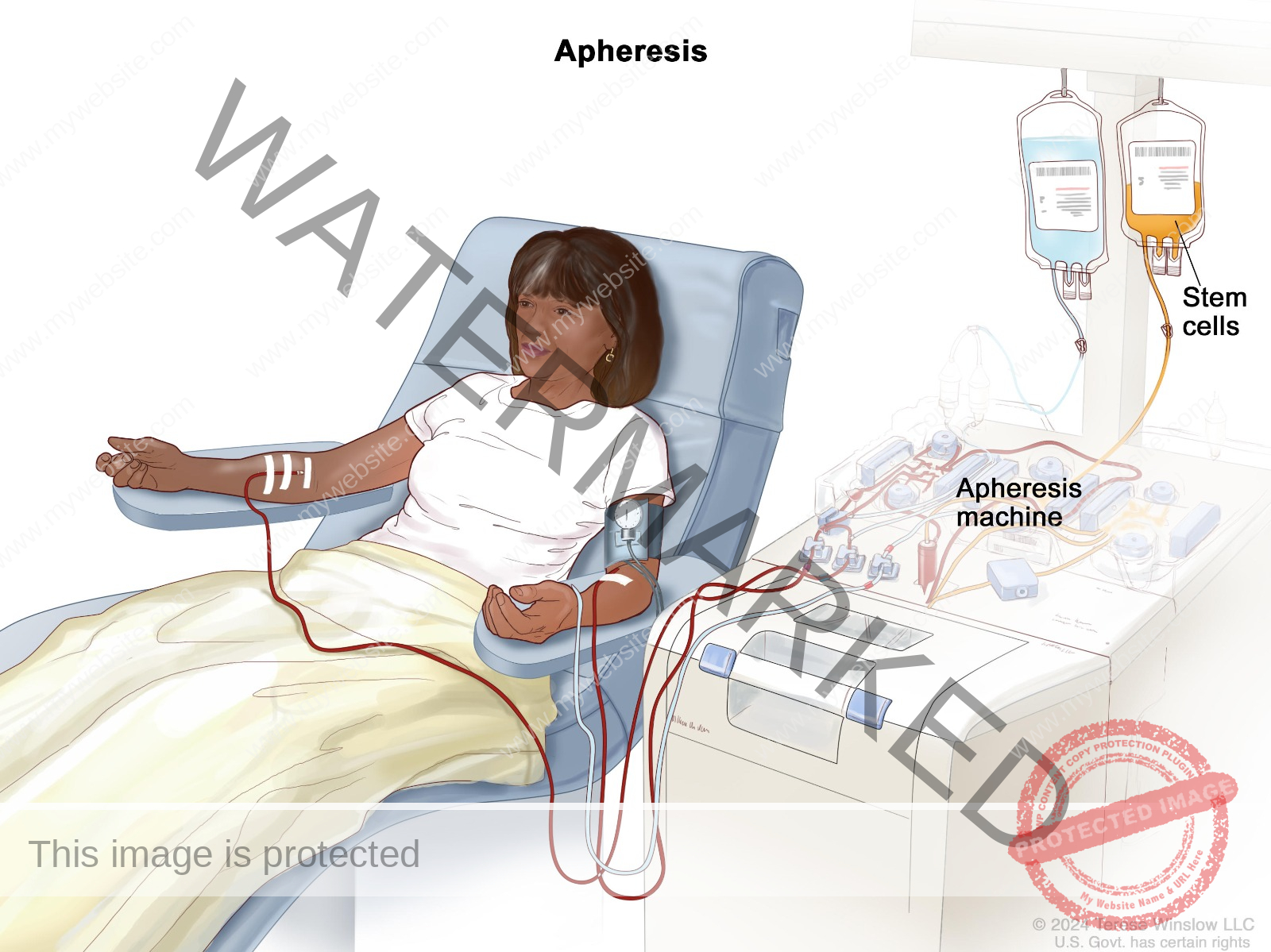
Using advanced gene therapy, doctors take the patient’s own blood-forming cells and correct the faulty instruction that causes sickling. The repaired cells are returned to the body, where they begin producing healthy blood. Once this happens, the painful crises stop. Transfusions are no longer needed. Life resumes.
By the Independentist Scientific Desk
For generations, sickle cell disease has lived quietly in African homes. It has taken children in the night, filled hospitals with cries of pain, and taught families to live with fear as a routine part of life. Many were told it was fate. Others were told it was incurable. Most simply endured. This Christmas season, that long story has changed. In New York, doctors have successfully cured patients of sickle cell disease for the first time. Not managed. Not controlled. Cured.
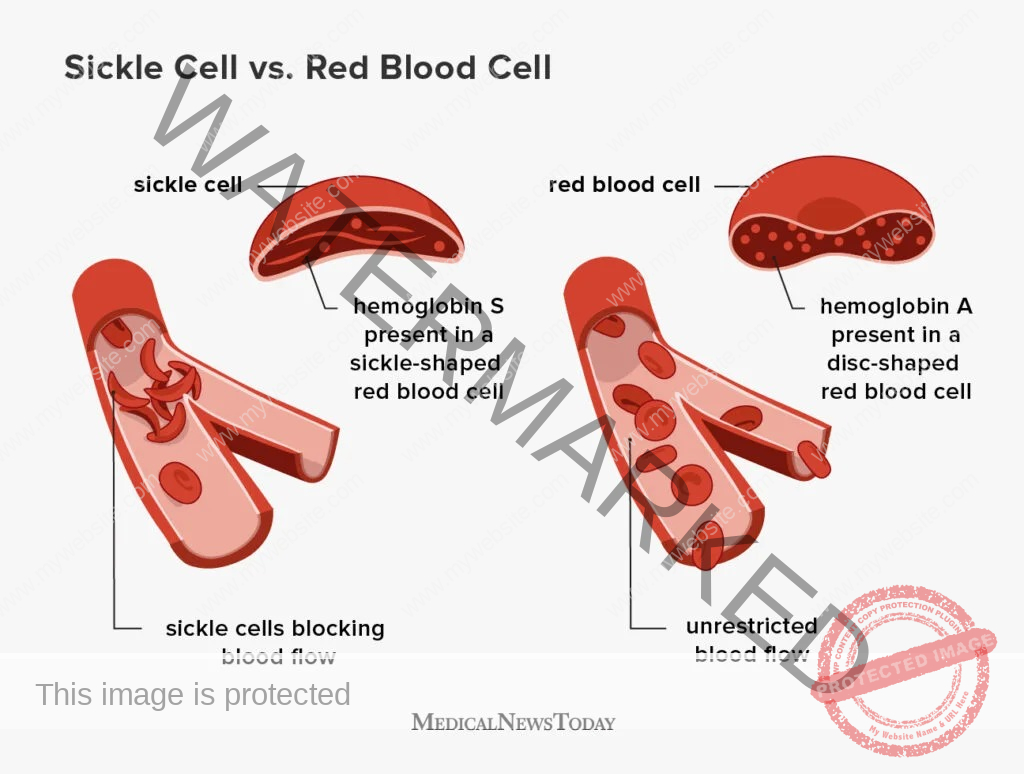
Sickle cell is a disease of the blood. Instead of being round and flexible, red blood cells become hard and curved like a sickle. These misshapen cells block blood flow, causing severe pain, infections, organ damage, and early death. For decades, treatment focused on reducing pain and preventing crises. The disease itself remained untouched. Now, for the first time, doctors have gone to the root of the problem.
Using advanced gene therapy, doctors take the patient’s own blood-forming cells and correct the faulty instruction that causes sickling. The repaired cells are returned to the body, where they begin producing healthy blood. Once this happens, the painful crises stop. Transfusions are no longer needed. Life resumes.
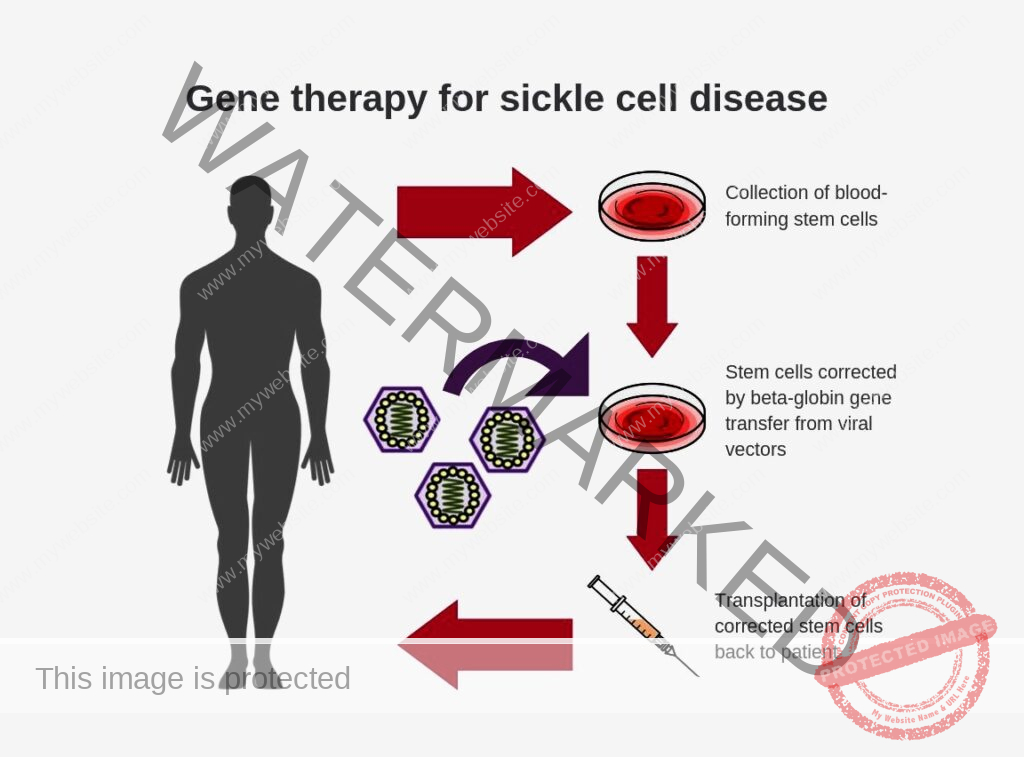
This is not theory. It is happening.
For African families, and especially for Ambazonians, this moment carries deep meaning. Sickle cell is not rare among our people. It has filled our hospitals and graveyards. Yet for decades, it attracted little urgency from the global medical system. The suffering was normalized. The pain was ignored. This cure proves a hard truth: sickle cell was never incurable. It was neglected.
Today, the treatment is expensive and available only in advanced medical centers. But history teaches us that breakthroughs begin this way. Over time, costs fall. Knowledge spreads. Access widens. What matters now is that the door has been opened.
For Ambazonia, this moment is a call to think beyond survival. Health is not charity. Health is sovereignty. A people who cannot protect their children’s lives cannot truly claim freedom.
A future Ambazonia must make health a national priority—starting with diseases that affect our people most. Newborn screening, early treatment, strong hospitals, and partnerships with diaspora doctors are not luxuries. They are foundations of nationhood.
This breakthrough also reminds us of the power of the diaspora. Many of the scientists, doctors, and advocates pushing this work forward are Africans and people of African descent working abroad. Their knowledge, skills, and resources are bridges to a better future at home.
This Christmas, families who have lived under the shadow of sickle cell are allowed something new: hope backed by science. Our children are not broken. Our blood is not cursed. And our future does not have to look like our past. The cure has arrived. The question now is whether justice, access, and leadership will follow.
The Independentist Scientific Desk






Leave feedback about this