









Geo-strategic commentary

We are home to news on Cameroon and the CEMAC region. We are dedicated to honest and reliable reporting. We are the voice of the Cameroonian people and their fight for freedom and democracy at a time when the Yaoundé government is silencing dissent and suppressing democratic voices.

Ambazonia’s role within that corridor is not yet fully defined. But its position is clear. The question is not whether it matters. It is whether it will be engaged as part of a forward-looking strategy, or left to be shaped by reactive forces. For the United States, the choice is not between regions. It is between anticipating the next strategic frontier—or arriving after it has already been defined.
By Ali Dan Ismael Editor-in-Chief The Independentist News
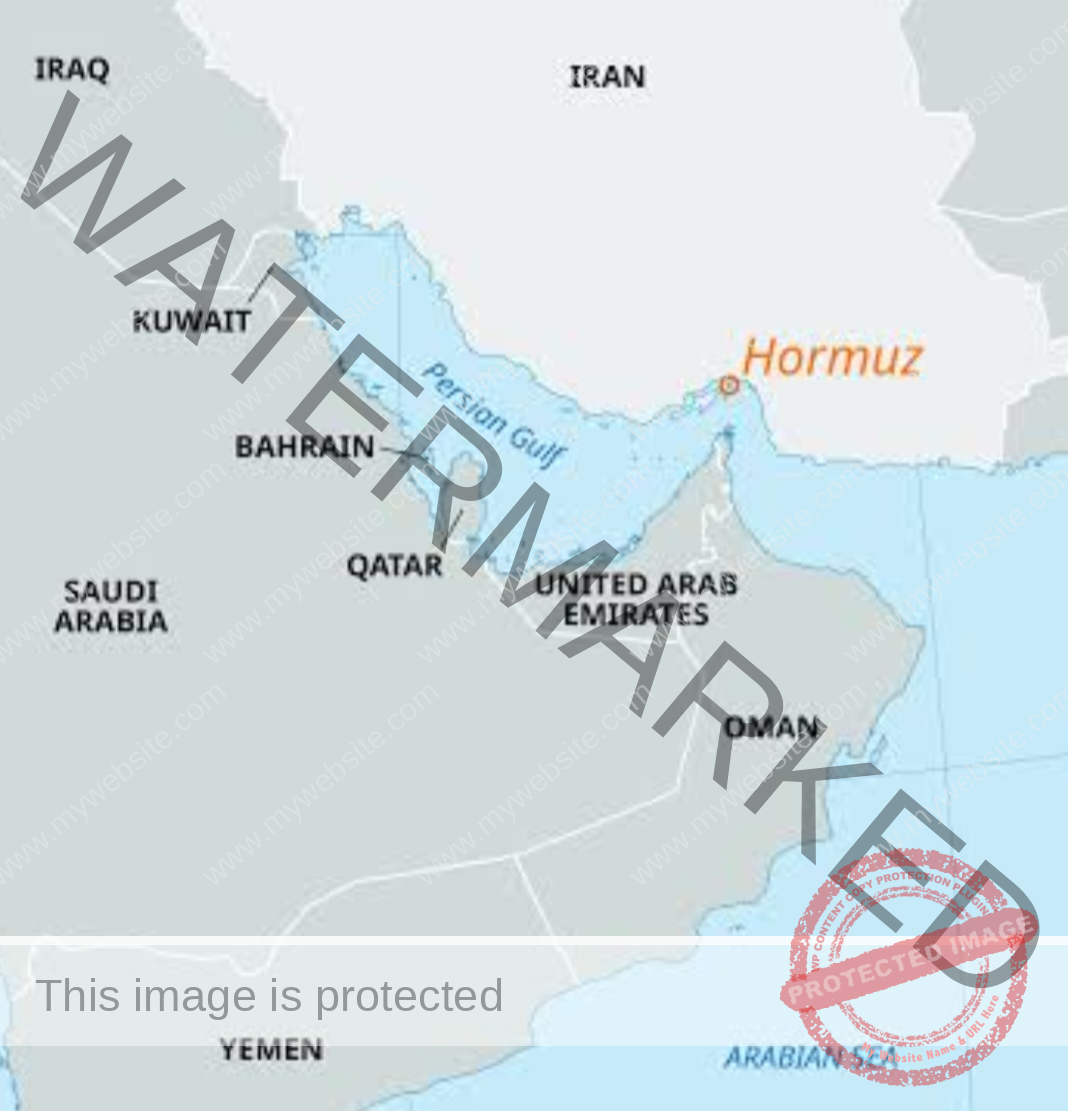
For decades, global strategy has been shaped by a handful of familiar coordinates. The Persian Gulf. The Strait of Hormuz. The South China Sea. These are the arteries through which the modern world has flowed—energy, commerce, and influence moving through narrow passages whose stability determines global equilibrium.
When tensions rise in these regions, the consequences are immediate. Prices shift. Markets react. Security frameworks activate. The movement of Brent crude reflects not just economic change, but strategic vulnerability. But the lesson of recent global tensions is not only about where risk exists. It is about where alternatives must emerge.
THE LOGIC OF DIVERSIFICATION
No major power—least of all the United States—can afford long-term dependency on a single set of corridors. Energy diversification, supply chain resilience, and maritime security are no longer theoretical priorities. They are active strategic imperatives. In this context, attention is gradually expanding. Not as a reaction—but as a recalibration. Regions once considered secondary are now being viewed through a different lens: not by what they lack, but by what they can offer. The Gulf of Guinea is one of those regions.
AN ATLANTIC CORRIDOR IN WAITING
Stretching along West Africa’s coastline, the Gulf of Guinea occupies a position that is both geographic and strategic. It sits at the intersection of: Atlantic trade routes. Emerging energy zones. Expanding African markets. Transcontinental logistics pathways. It is already home to significant oil and gas activity. It is adjacent to major shipping lanes. It is increasingly relevant to discussions around maritime security and regional stabilization. Yet its full potential remains underdeveloped. Not because of geography. But because of governance gaps, instability, and underinvestment.
WHERE AMBAZONIA ENTERS THE FRAME
Within this evolving corridor lies a question that has not yet been fully integrated into global strategic thinking. That question is Ambazonia. For years, Ambazonia has been approached primarily as a humanitarian issue. The realities of conflict and displacement have dominated international perception. But global strategy rarely engages regions solely on the basis of crisis. It engages where interests and stability intersect.
Ambazonia’s location places it within a segment of the Gulf of Guinea that is both underutilized and strategically exposed. Its proximity to maritime routes, its resource base, and its position within a region seeking greater economic coherence make it relevant to a broader conversation. Not as an isolated case. But as part of a larger Atlantic-facing framework.
A DIFFERENT KIND OF PARTNERSHIP
For the United States, the strategic question is not whether to replace one region with another. It is whether to expand the network of reliable partners. That expansion requires more than investment. It requires alignment with regions that demonstrate potential for: Predictable governance. Secure maritime engagement. Transparent economic participation. Long-term stability
In this regard, Ambazonia represents a case where early engagement could shape outcomes rather than react to them. The objective would not be intervention. It would be integration. Integration into systems that support: Trade continuity. Energy diversification. Regional security cooperation. Institutional development
THE ROLE OF SYSTEMS, NOT JUST STATES
Modern influence is exercised not only through diplomacy or defense, but through systems. Financial systems. Legal systems. Insurance and risk systems. Institutions such as Lloyd’s of London illustrate how global trade depends on frameworks that enable confidence. Where those frameworks are weak or uncertain, capital hesitates. Where they are strong, movement accelerates.
The future of emerging corridors like the Gulf of Guinea will depend on how effectively these systems are extended, adapted, and localized. That is where strategic partnerships matter most.
FROM REACTION TO POSITIONING
The United States has often engaged regions after instability becomes visible. The opportunity in the Gulf of Guinea—and in places like Ambazonia—is different. It is the opportunity to engage before instability defines the region.To support structures that encourage: Order over fragmentation. Transparency over opacity. Cooperation over isolation. This is not a short-term calculation. It is a long-term positioning strategy.
CONCLUSION: EXPANDING THE MAP
Global strategy is not static. It evolves with shifts in risk, opportunity, and necessity. The Middle East will remain important. Asia will remain central. But the Atlantic corridor—particularly the Gulf of Guinea—is becoming increasingly relevant to the next phase of global integration.
Ambazonia’s role within that corridor is not yet fully defined. But its position is clear. The question is not whether it matters. It is whether it will be engaged as part of a forward-looking strategy, or left to be shaped by reactive forces. For the United States, the choice is not between regions. It is between anticipating the next strategic frontier—or arriving after it has already been defined.
Ali Dan Ismael Editor-in-Chief The Independentist News
Share This Post:
THE MAP OF POWER: CHOKEPOINTS, THE DOLLAR, AND THE STRATEGIC AWAKENING AMBAZONIA CANNOT AFFORD TO MISS
THE PRICE OF POWER: WHY THE GULF OF GUINEA MATTERS NEXT — AND WHERE AMBAZONIA FITS
Related Post
IS THE WORLD LISTENING: THREE DAYS FOUR FRONTLINES, ASA
SEPTEMBER 24, 1965, THIS DAY IN HISTORY: From Equal
AMBAZONIA’S WAR- IS BIGGER THAN YAOUNDÉ: BRITAIN, FRANCE AND
THE DAY SEPTEMBER 22 1961: — WHAT AMBAZONIA CAN
TRUMP’S “SUPER INTELLIGENCE” ERA: WHAT IT REALLY MEANS —
Why Is Ambazonia More Powerful Than many Imagine.