











The danger is that this vote becomes a moral monument with no legal movement. But the opportunity is equally real. The world has now named the crime. The question is no longer whether it was wrong. The question is what must now be undone.
By Ali Dan Ismael, Editor-in-Chief The Independentistnews
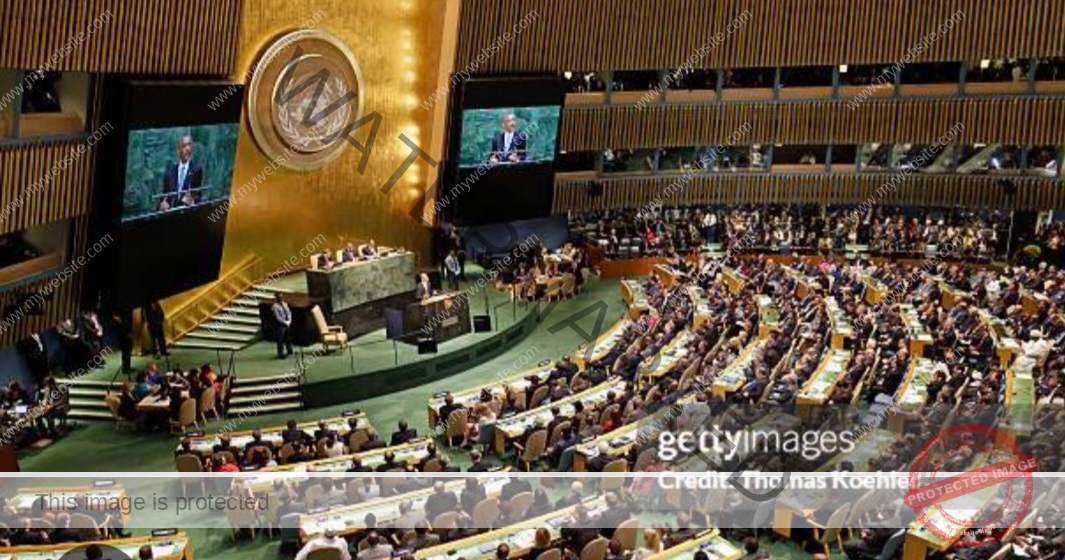
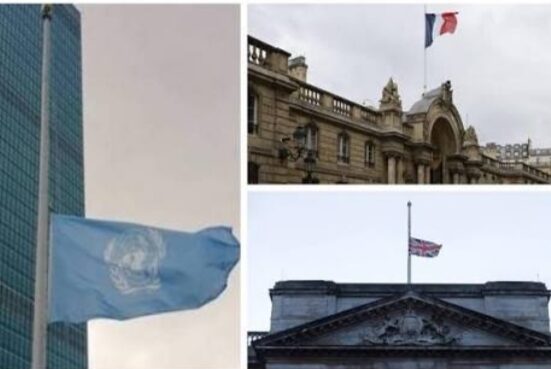
On March 25, 2026, the United Nations General Assembly adopted a resolution declaring the transatlantic slave trade the gravest crime against humanity. The vote passed overwhelmingly. The world has spoken—not with hesitation, but with clarity. And yet, clarity without consequence is the oldest trick in international politics.
Let us be precise. This was not merely a symbolic act. It was a legal and moral elevation of a historical crime into the highest category recognized by international conscience. The language matters. “Gravest crime against humanity” is not poetic—it is prosecutorial. It establishes three uncomfortable truths: some injustices never expire, systems built on those injustices remain morally contaminated, and the beneficiaries of those systems cannot claim innocence through time alone. The resolution passed. But the abstentions—and the three votes against—reveal the real battlefield: accountability.
The transatlantic slave trade did not end—it evolved. It became colonial partition at the Berlin Conference, forced assimilation under France, administrative manipulation under United Kingdom, and ultimately the annexation and absorption of Southern Cameroons into what is now called Cameroon. The crime changed form, but not function. The logic remained the same: control land, control people, extract value, silence resistance.
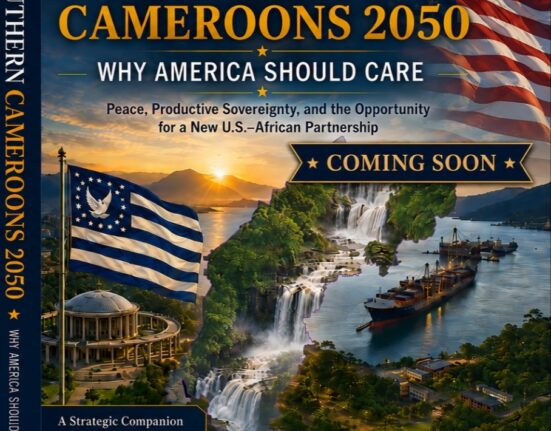
The people of Ambazonia—legally the former British Southern Cameroons—did not consent to permanent absorption. What followed was the dismantling of federalism, the imposition of foreign legal and educational systems, the militarization of dissent, and the mass displacement of civilians. This is not an internal dispute. It is the continuation of a historical pattern now formally recognized as criminal at its origin. If the transatlantic slave trade is the gravest crime against humanity, then every system that descends from its logic must now be examined under that same moral light. Ambazonia is not an anomaly. It is evidence.
The regime in Yaoundé, backed historically by French geopolitical interests, rests on a fragile premise: that colonial inheritance equals sovereign legitimacy. But this UN resolution quietly destabilizes that premise because it raises a dangerous question. If the foundation was criminal, what is the status of the structure built upon it? The answer is not immediate, but it is inevitable.
This resolution reframes the Ambazonian conflict. It is no longer a separatist issue but a post-crime correction. It strengthens legal arguments before international bodies by shifting the claim from grievance to continuity of an already recognized crime. It exposes Western contradiction, as states that acknowledge the crime resist reparations while remaining silent on present-day consequences. That contradiction is no longer abstract. It is visible.
History is full of apologies that cost nothing, declarations that change nothing, and resolutions that soothe conscience while preserving structure. The danger is that this vote becomes a moral monument with no legal movement. But the opportunity is equally real. The world has now named the crime. The question is no longer whether it was wrong. The question is what must now be undone.
For Ambazonia, this is not a moment of celebration. It is a moment of strategic activation. Because when the world finally admits the foundation was criminal, those still living under its architecture gain something powerful: the right to dismantle it.
Ali Dan Ismael, Editor-in-Chief The Independentistnews


Leave feedback about this