










Ultimately, the debate is less about individual personalities than about the evolving responsibilities of faith leadership in times of crisis. Whether through outspoken advocacy or quiet diplomacy, the measure by which religious institutions are judged will likely remain the same: their perceived ability to stand with those who suffer while contributing meaningfully to the search for peace and justice.
By Carl Sanders, Guest Writer
The Independentistnews | Soho. 25 March 2026
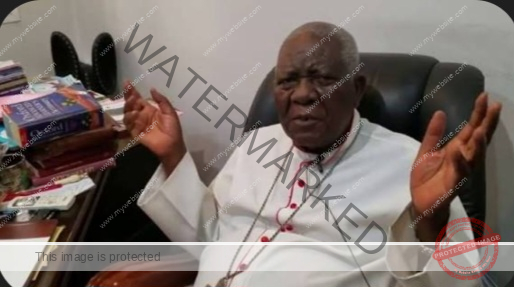
As evening falls over London, the legacy of Cardinal Christian Tumi continues to shape conversations about the ongoing crisis in Cameroon. To many, he symbolised a form of moral leadership that went beyond ceremonial duties. When he convened the All-Anglophone Conference in the 1990s, he sought to create a platform for dialogue at a time when political space was limited and tensions were rising. His willingness to engage difficult issues — often at personal risk — earned him both admiration and criticism.
Today, comparisons are increasingly being drawn between that era and the current atmosphere in Bamenda. Archbishop Andrew Nkea, who now occupies one of the most visible ecclesiastical roles in the region, has emphasised themes such as reconciliation, personal responsibility, and the Church’s non-partisan mission. Supporters argue that this approach reflects the need to preserve channels of dialogue in a deeply polarised environment. Critics, however, see it as overly cautious at a time when communities continue to face insecurity and displacement.
This divergence reflects a broader debate about the role of religious institutions during periods of conflict. Should church leaders adopt a more confrontational prophetic stance, as some believe Cardinal Tumi did? Or should they prioritise mediation, restraint, and institutional continuity in order to remain credible intermediaries?
For many observers, the challenge lies in balancing moral clarity with practical engagement. Calls for calm can be interpreted as necessary efforts to prevent further escalation. At the same time, they may be perceived by affected populations as insufficiently responsive to lived realities on the ground. The tension between advocacy and neutrality is therefore not simply theological — it is profoundly political and humanitarian.
A Moral Reflection
The biblical imagery often invoked in such discussions — including passages like Ezekiel 34, which warns shepherds against neglecting their flock — continues to resonate. For some, it underscores the expectation that spiritual leaders should actively defend vulnerable communities. For others, it highlights the importance of pastoral care that seeks to heal divisions rather than deepen them.
A Continuing Question
Ultimately, the debate is less about individual personalities than about the evolving responsibilities of faith leadership in times of crisis. Whether through outspoken advocacy or quiet diplomacy, the measure by which religious institutions are judged will likely remain the same: their perceived ability to stand with those who suffer while contributing meaningfully to the search for peace and justice.
Carl Sanders, Guest Writer
The Independentistnews



Leave feedback about this