








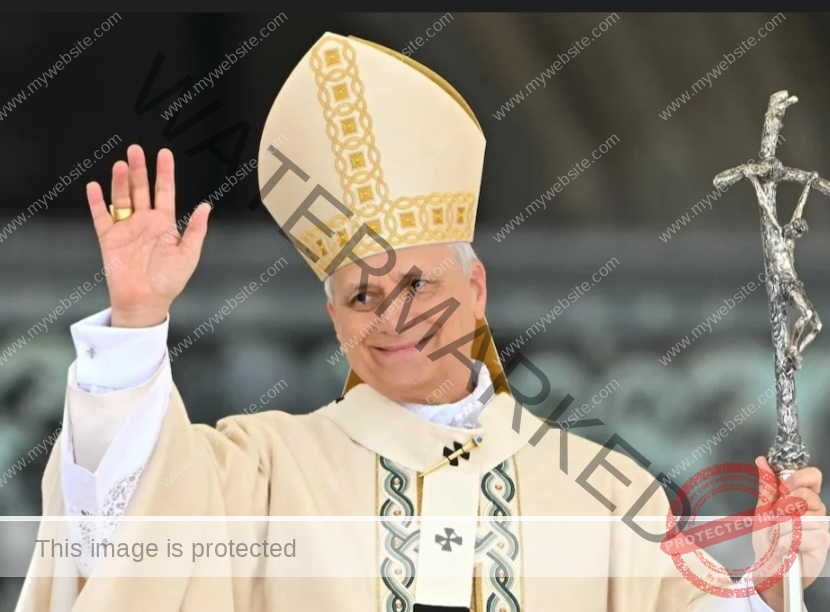
Ultimately, the impact of any papal visit will depend less on ceremony and more on substance. If it amplifies the voices of affected communities, acknowledges painful realities, and encourages meaningful steps toward accountability and healing, it could mark an important turning point
By Carl Sanders, Guest Writer
The Independentistnews | Soho. 26 March 2026
London is a city that knows spectacle. From royal pageantry to global diplomacy, it understands how powerful images can shape perception. It is therefore not surprising that some observers are viewing the anticipated visit of Pope Leo XIV to Cameroon with both hope and suspicion — as a moment that could either illuminate reality or unintentionally soften it.
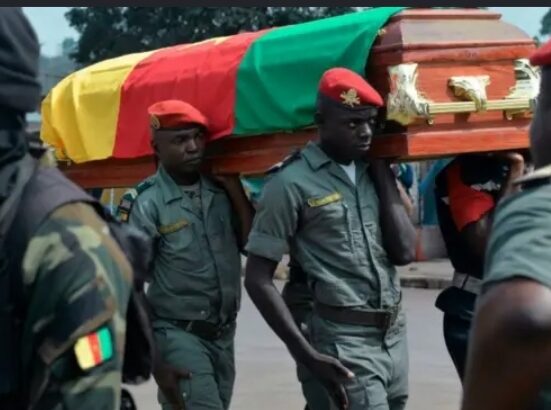
For critics of the Cameroonian government and sections of church leadership, the visit risks becoming what they describe as a form of “peace theatre.” They fear that carefully organised routes, official briefings, and public ceremonies may project an image of stability that does not fully reflect the daily struggles of communities still living with insecurity, displacement, and uncertainty. In their view, symbolism can sometimes move faster than truth.
At the same time, Archbishop Andrew Nkea and other church leaders have presented the visit as a pastoral opportunity — a chance to draw international attention to the country’s humanitarian needs, to encourage dialogue, and to strengthen appeals for reconciliation. Supporters argue that such high-level engagements can open doors that are otherwise closed, allowing faith leaders to advocate quietly but persistently for peace and relief.
This difference in interpretation reflects a deeper tension that often arises during times of conflict: whether moral leadership should speak in prophetic, confrontational tones or work through measured diplomacy that keeps communication channels open. For many people on the ground, both approaches carry risks. Silence can feel like abandonment, while open confrontation can sometimes limit access and influence.
The words of Martin Luther King Jr. are frequently recalled in this context — that true peace is not simply the absence of tension but the presence of justice. Likewise, biblical reflections such as Jeremiah 6:14, which cautions against declaring peace prematurely, continue to resonate with those who believe reconciliation must be rooted in honesty about suffering.
Ultimately, the impact of any papal visit will depend less on ceremony and more on substance. If it amplifies the voices of affected communities, acknowledges painful realities, and encourages meaningful steps toward accountability and healing, it could mark an important turning point. If it is perceived as distant from those realities, it may deepen existing scepticism.
For church and state leaders alike, the moment presents both opportunity and responsibility: to ensure that gestures of peace are accompanied by a sincere commitment to truth, justice, and the long road toward lasting reconciliation.
Carl Sanders, Guest Writer
The Independentistnews


Leave feedback about this