

Youth activism in these regions remains highly sensitive. Authorities frame certain forms of political mobilization as threats to national unity, while local activists argue that legitimate grievances about governance, marginalization, and security are often dismissed or criminalized. The result is a deep disconnect between official messaging and lived realities for many young people.
By Timothy Engonene, Guest Editor-in-Chief, The Independentistnews
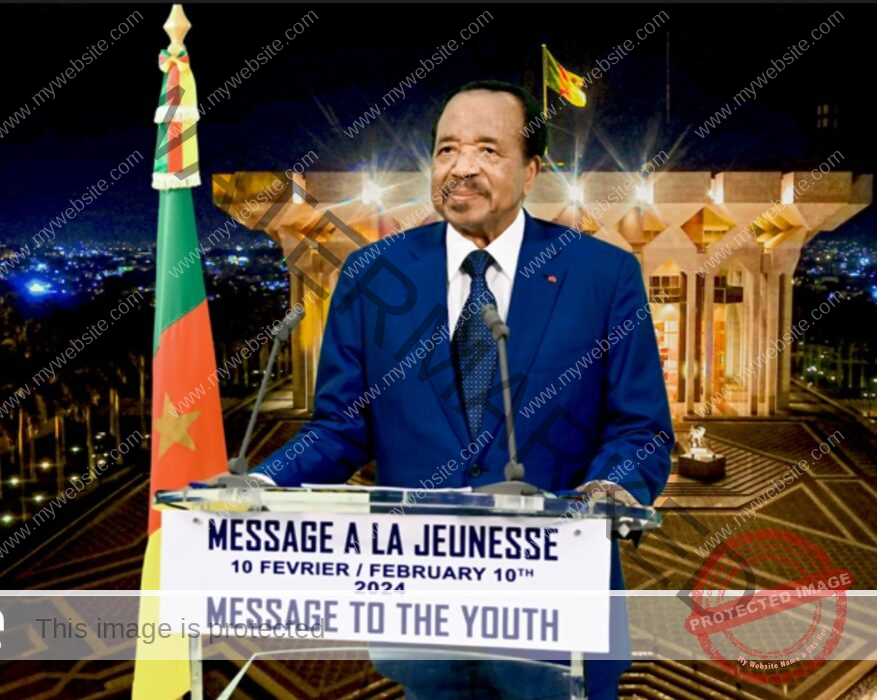
YAOUNDÉ February 8, 2026 – As President Paul Biya navigates the fragile political environment following Cameroon’s October 2025 presidential election, preparations for the 60th anniversary of National Youth Day unfold amid continuing tensions in the country’s Anglophone regions. Official celebrations portray unity and optimism, yet many residents in the territories claimed by Ambazonian separatists view the events through a very different lens.
Across these regions, critics argue that the “Youth Onzaine” activities function less as genuine youth empowerment initiatives and more as state messaging intended to project stability in areas still affected by conflict.
I. “Youth at the Heart of great hopes” — A Contested Narrative
The official 2026 theme, “Youth at the Heart of Great Hopes,” seeks to emphasize civic participation and national cohesion. However, civil society actors and community representatives in conflict-affected areas note that thousands of students have experienced prolonged disruptions to schooling due to insecurity, military operations, and separatist-imposed shutdowns over recent years.
Youth activism in these regions remains highly sensitive. Authorities frame certain forms of political mobilization as threats to national unity, while local activists argue that legitimate grievances about governance, marginalization, and security are often dismissed or criminalized. The result is a deep disconnect between official messaging and lived realities for many young people.
II. Information Battles and Internal Divisions
The information space surrounding the Anglophone crisis has become increasingly polarized. Social media campaigns, diaspora activism, and competing narratives often fuel internal divisions among Cameroonians both at home and abroad.
Some activists allege that online campaigns and internal disputes weaken coordinated political action and distract from broader political goals. At the same time, government supporters accuse separatist networks of spreading misinformation and intimidation.
The digital arena has thus become another battleground, where information, rumor, and propaganda circulate freely, complicating efforts to build consensus or promote dialogue.
III. Parades and the Question of Voluntary Participation
Government officials maintain that Youth Day parades across the country demonstrate national unity and normalcy. However, community members and local observers in certain towns report that participation sometimes occurs under administrative pressure, with schools and local authorities encouraged to ensure visible turnout.
While officials describe these measures as routine organization for national events, critics argue that such practices blur the line between voluntary civic participation and compelled display.
The symbolism is significant: public parades serve not only domestic audiences but also international observers assessing stability in conflict-affected regions.
IV. The Legacy of 1961 and Competing Historical Memories
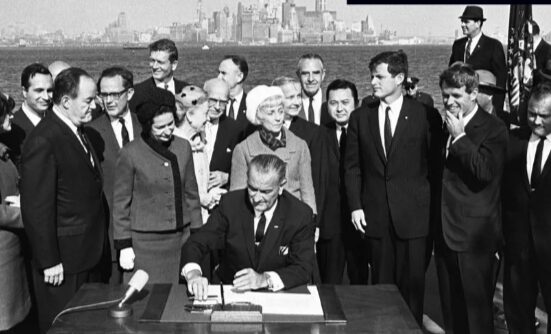
The roots of today’s tensions trace back to the political arrangements that followed the 1961 plebiscite, when the former British Southern Cameroons joined the Republic of Cameroon.
Government narratives frame this moment as the foundation of national unity. Conversely, many Ambazonian activists contend that the promised federal arrangements were later dismantled, leading to political and cultural marginalization.
Debate over whether proper constitutional or treaty arrangements were concluded at the time remains a persistent point of contention in academic and political circles alike. For younger generations, these historical disagreements continue to shape present-day political identity.
V. Political Loyalty and Political Risk
History shows that alliances within Cameroon’s political system can shift quickly. Figures once prominent within state structures have, at times, later found themselves marginalized as political dynamics evolve.
Observers note that participation in controversial political events or positions may carry both short-term rewards and long-term risks for local actors, administrators, and community leaders navigating complex political environments.
Conclusion: Youth Between Symbolism and Reality
Youth Day celebrations continue to symbolize national pride for many Cameroonians. Yet for others, especially in conflict-affected areas, the occasion highlights unresolved political grievances and ongoing tensions.
Whether stability can ultimately be achieved depends not on ceremonial displays, critics argue, but on addressing governance concerns, rebuilding trust, ensuring education access, and creating meaningful opportunities for young people across all regions.
As abolitionist Frederick Douglass once warned, injustice often persists where populations feel powerless to challenge it. The future of Cameroon—and of its youth—will likely depend on whether dialogue, reform, and reconciliation can replace confrontation and mutual suspicion.
For now, Youth Day remains both celebration and controversy, reflecting a country still struggling to reconcile competing visions of its past and future.
Timothy Engonene, Guest Editor-in-Chief, The Independentistnews