











Until institutions reward merit consistently and protect dignity across professions, Cameroun’s youth will continue to dream narrowly — not because they lack imagination, but because they understand the system all too well.
By The Independentistnews Economic Bureau
In Cameroun, professions are not ranked by income or technical skill. They are ranked by perceived fairness, moral cleanliness, and dignity. In a system where patronage, corruption, and political loyalty often outweigh merit, only two career paths are widely believed to offer a clean escape: football and academia.
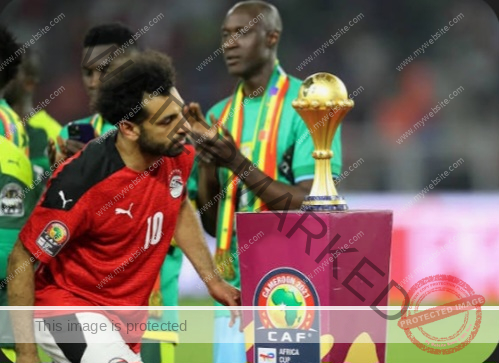
Football is seen as the only truly level playing field. Talent is visible, results are public, and success cannot easily be hidden behind files, stamps, or connections. A child from a remote village can, in theory, rise to national or international recognition simply by performance. This belief explains why football dreams cut across age, gender, and class. It is not fantasy; it is a rational response to a system where most doors are controlled.
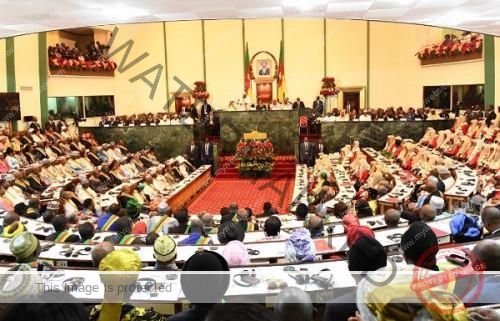
For those who excel academically, the highest aspiration is not politics or business, but becoming a professor. In Camerounese society, “Prof” is more than a title — it is a moral identity. Professors are seen as clean, honest, disciplined, and intellectually independent. Even when poorly paid, they command deep respect because they are not associated with contracts, customs, or coercive power. When wealth is uncertain, dignity becomes the currency — and professorship offers the highest return.
Doctors, lawyers, engineers, and senior civil servants rank lower in social trust. Doctors suffer from association with broken hospitals, lawyers and judges are viewed as system manipulators, and politicians are often wealthy but morally discredited. Engineers and technocrats, though essential, remain largely invisible. Respect in Cameroun is not about building the system; it is about remaining morally untainted by it.
A Regional Contrast
Nigeria operates on a more openly entrepreneurial hierarchy. Wealth creators, entertainers, tech founders, and political powerbrokers dominate social prestige. Professors are respected, but not elevated above business success. Football is admired, but it is one of many viable exits from poverty.
Ghana places greater value on institutional professionalism. Teachers, academics, doctors, and civil servants enjoy steady respect because institutions function more predictably. Social mobility feels procedural rather than exceptional, reducing the need for singular escape routes.
Senegal blends intellectual authority with cultural legitimacy. Academics, artists, administrators, and religious leaders coexist in a relatively balanced prestige order. Footballers are celebrated, but intellectual life remains integrated into public legitimacy rather than isolated from it.
The Camerounese Reality
Cameroun stands apart because hope is concentrated. When most institutions feel compromised, society elevates the few paths that appear clean. Football represents fairness. Professorship represents integrity. Everything else feels negotiable, captured, or morally risky. This is not romanticism. It is survival logic.
Until institutions reward merit consistently and protect dignity across professions, Cameroun’s youth will continue to dream narrowly — not because they lack imagination, but because they understand the system all too well.
The Independentistnews Economic Bureau





Leave feedback about this