










Whether through intellectual advocacy or diplomatic restraint, the central challenge remains the same: to remain relevant to the lived realities of the people while contributing meaningfully to the pursuit of justice and lasting peace.
By Carl Sanders, Guest Writer
The Independentistnews | Soho. 25 March 2026
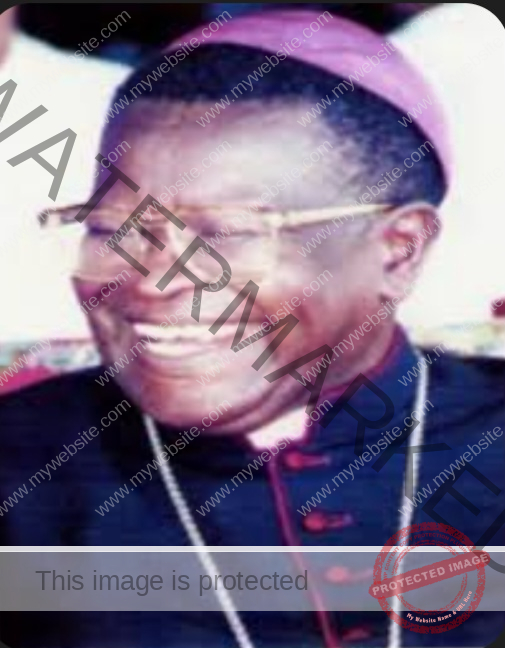
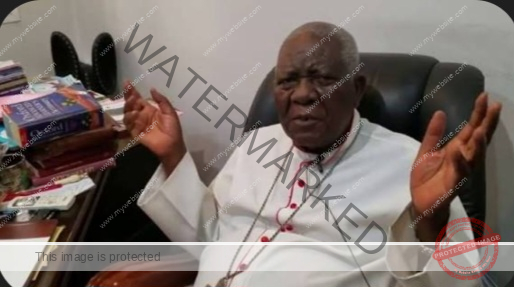
The legacy of Archbishop Paul Verdzekov continues to occupy a prominent place in reflections on the political and social tensions that have marked Cameroon’s recent history. Known for his scholarly depth and forthright engagement with issues affecting Anglophone communities, Verdzekov often framed the crisis not simply as sporadic unrest but as a deeper question of dignity, identity, and governance. His writings and interventions were rooted in the belief that faith leadership must also be intellectually rigorous — capable of analysing systemic injustice while offering moral direction.
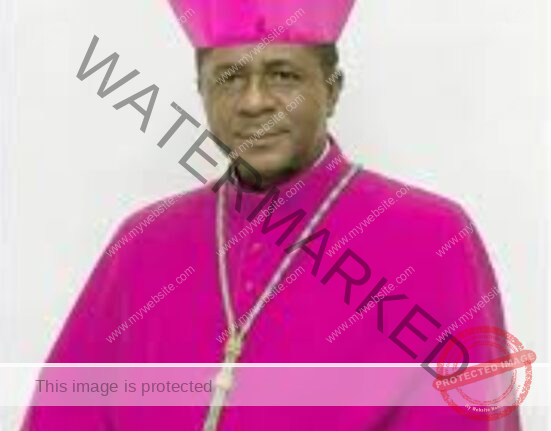
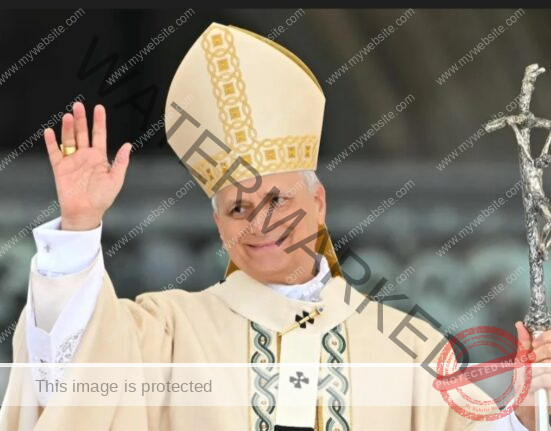
For some commentators today, this legacy serves as a benchmark against which contemporary church leadership is measured. Statements from the National Episcopal Conference, including those associated with Archbishop Andrew Nkea, have tended to emphasise reconciliation, dialogue, and shared responsibility for restoring peace. Supporters of this tone argue that balanced messaging can help prevent further polarisation and maintain the Church’s credibility as a mediator in a highly fragmented environment.
Others view this approach differently. Critics contend that language seeking to acknowledge multiple perspectives may risk creating the impression of moral equivalence between state power and communities that feel marginalised or threatened. From this standpoint, the call for moderation can be interpreted as a departure from what they see as Verdzekov’s more confrontational intellectual style — one that openly challenged structural inequalities and political narratives.
The debate reflects a wider tension within faith institutions operating in conflict settings. Should spiritual leaders prioritise prophetic denunciation of injustice, even at the risk of limiting their access to political actors? Or should they pursue cautious engagement that keeps channels of communication open, potentially allowing for humanitarian intervention and incremental reform?
A Moral Reflection
Biblical imagery frequently shapes these discussions. The metaphor in Matthew 5:13 — describing believers as “the salt of the earth” — is often cited to illustrate the expectation that faith communities maintain a distinct moral witness. For some, this implies a duty to confront wrongdoing directly. For others, it suggests preserving influence through patience, endurance, and the steady work of reconciliation.
An Enduring Question
Ultimately, the conversation about Verdzekov’s legacy is less about nostalgia than about the evolving responsibilities of religious leadership in times of crisis. Whether through intellectual advocacy or diplomatic restraint, the central challenge remains the same: to remain relevant to the lived realities of the people while contributing meaningfully to the pursuit of justice and lasting peace.
Carl Sanders, Guest Writer
The Independentistnews

Leave feedback about this