





News commentary

We are home to news on Cameroon and the CEMAC region. We are dedicated to honest and reliable reporting. We are the voice of the Cameroonian people and their fight for freedom and democracy at a time when the Yaoundé government is silencing dissent and suppressing democratic voices.

April 2026 will be a visible moment. The real question is not whether civil society speaks, but whether it speaks in a way that strengthens its long-term credibility. In moments of high visibility, discipline becomes the most powerful strategy.
By Ali Dan Ismael
Editor-in-Chief, The IndependentistNews
A Nation Under a Moral Spotlight
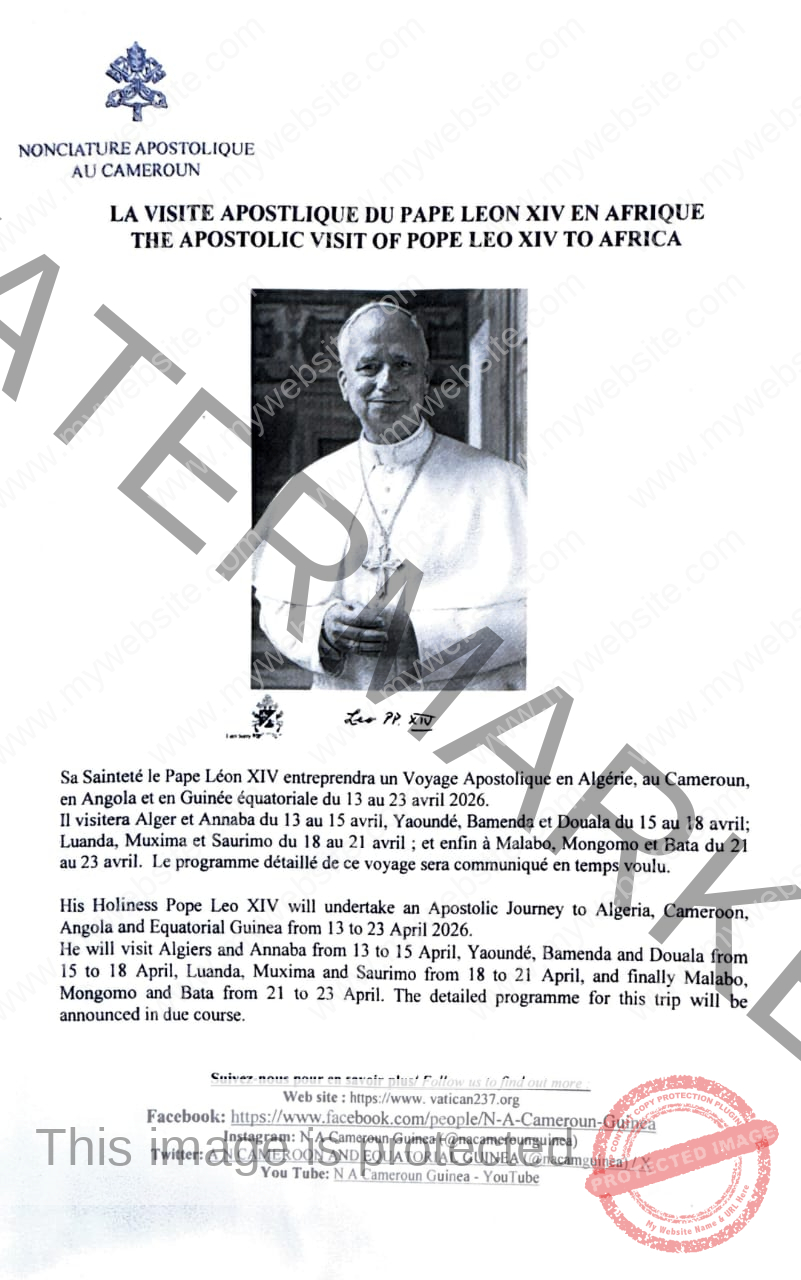
When a Pope visits a country experiencing internal tension, the atmosphere changes. Security tightens. Media attention intensifies. Political sensitivities rise. Emotions run high.
For Ambazonian civil society, the April 2026 papal visit presents both opportunity and risk. Visibility can create leverage — but it can also create vulnerability. The key is to understand the risks clearly and act with discipline.
The Risk of Security Escalation
In a conflict-affected environment, even a small incident can dominate international headlines. If violence occurs during the visit, global attention will shift immediately from humanitarian concerns to instability and security.
That shift would undermine the very moral framing civil society seeks to highlight. The safest and strongest posture during the visit period is public commitment to calm and civilian protection.
Heightened Security Measures
Major international visits often bring roadblocks, surveillance, restrictions on gatherings, and increased policing. While security is expected, excessive enforcement can create tension and fear.
Reacting emotionally to such measures can escalate matters. Responding with calm documentation and lawful conduct preserves credibility and protects long-term influence.
Political Framing and Narrative Control
Governments naturally present such visits as signs of legitimacy and international approval. If the narrative becomes solely about state endorsement, humanitarian concerns may be overshadowed.
The most effective response is not confrontation, but steady messaging focused on dignity, civilian protection, justice, and reconciliation. Staying within moral language keeps the conversation balanced.
The Danger of Fragmented Messaging
When multiple groups issue conflicting statements, the message weakens. International actors respond more readily to clear, unified priorities than to competing agendas.
Agreement on a small number of shared concerns strengthens influence and credibility.
Media Dynamics and Visibility
International journalists often focus on visible tension rather than detailed policy concerns. If unrest occurs, even if unrelated to civil society action, the humanitarian narrative may disappear from headlines.
Preparation is therefore critical. Clear documentation, verified facts, and disciplined spokespersons can help shape coverage responsibly.
Provocation and Emotional Mobilization
In tense environments, actors from various sides may attempt to trigger instability for strategic reasons. Civil society must be cautious about rumors, spontaneous mobilization, or emotionally charged calls to action. Discipline protects credibility.
Managing Expectations
A papal visit, however symbolic, will not resolve a long-standing conflict overnight. If the public expects immediate political transformation, disappointment may follow. It is wiser to frame the visit as a moral opportunity — a step that can encourage dialogue and reflection, not a final settlement.
Protecting the Clergy and Moral Authority
Local clergy may face pressure from political actors seeking endorsement. Publicly cornering church leaders or demanding explicit political positions can create strain and weaken moral space. Respectful engagement preserves influence and credibility.
The Post-Visit Reality
Once international attention fades, restrictive measures could quietly intensify. The visit may create a temporary window of openness.
Sustained documentation and continued engagement after the visit will matter just as much as actions during it.
Strategy Over Emotion
The visit increases sensitivity across all actors. That sensitivity magnifies both opportunity and missteps.
The strongest posture during the visit period is not loudness, but steadiness. Not confrontation, but clarity. Not emotion, but discipline.
If handled wisely, the moment can elevate humanitarian concerns and reinforce calls for dignity and justice. If mishandled, it can reinforce security narratives and close civic space.
April 2026 will be a visible moment. The real question is not whether civil society speaks, but whether it speaks in a way that strengthens its long-term credibility. In moments of high visibility, discipline becomes the most powerful strategy.
Ali Dan Ismael
Editor-in-Chief, The IndependentistNews
Share This Post:
The Scales of Justice: When the Law Fears Dissent More Than Death
When Rome Meets Yaoundé: Power, Faith, and the Politics of Perception
Related Post
The Scales of Justice: When the Law Fears Dissent
When Rome Meets Yaoundé: Power, Faith, and the Politics
A Moment to Speak Wisely: How Ambazonian Civil Society
A Papal Visit to Cameroon: A Moral Moment for
Words of caution: An Open Letter to Ambazonians on
Why They Can’t Control the Narrative: The Battlefield Reality