









Commentary

We are home to news on Cameroon and the CEMAC region. We are dedicated to honest and reliable reporting. We are the voice of the Cameroonian people and their fight for freedom and democracy at a time when the Yaoundé government is silencing dissent and suppressing democratic voices.

The question is not whether the “Tchiroma Gambit” generates headlines. The question is whether it advances resolution—or merely reshuffles the stage. That distinction will determine whether this moment is remembered as a turning point—or a detour.
By Timothy Enongene
Guest Editor-in-Chief, Independentistnews
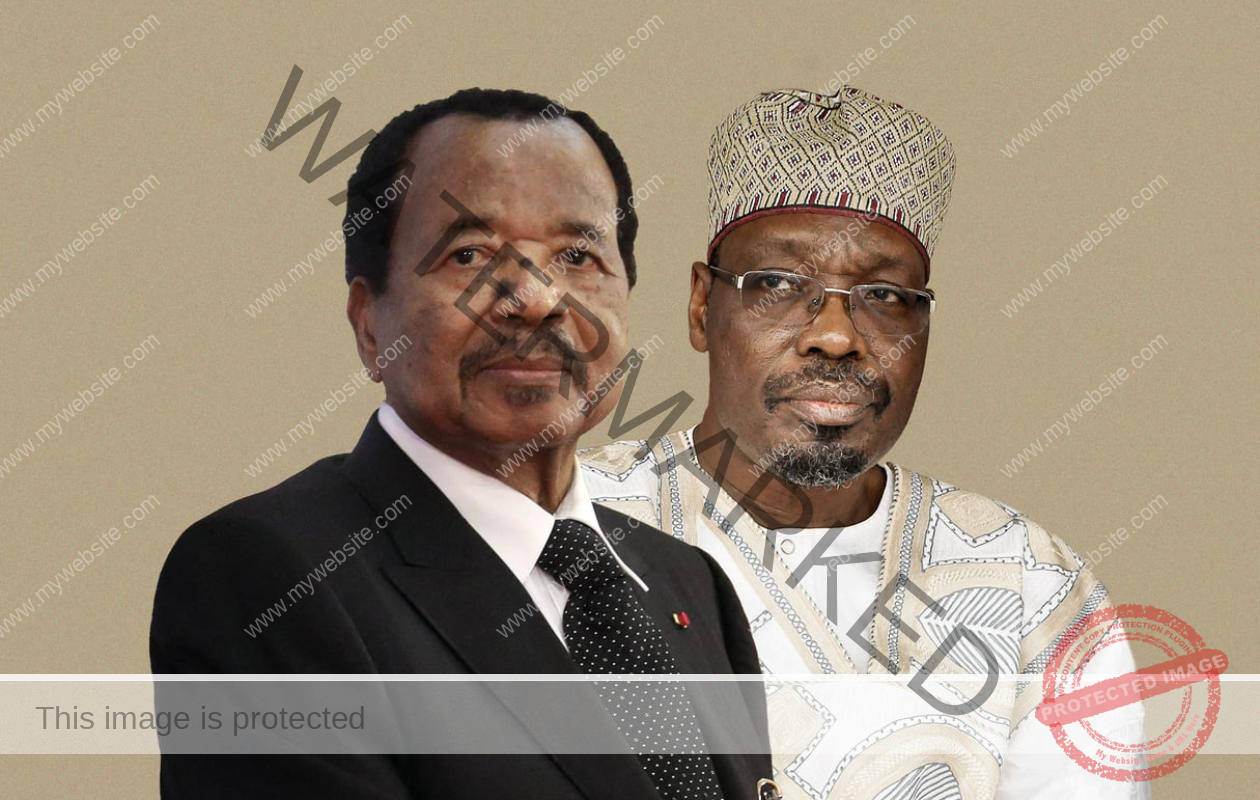
BANJUL. February 23, 2026 – As political uncertainty deepens in Yaoundé, a new subplot has emerged in Banjul, The Gambia. Issa Tchiroma Bakary—once a senior government spokesperson and now self-described “President-elect” under the Union for Change 2025 platform—has positioned himself as a challenger to the current order. Reports of possible relocation to the United States have further amplified speculation about his next move.
For observers of the Anglophone crisis, the question is not simply about one politician’s fate. It is whether this development represents a meaningful shift in Cameroon’s political trajectory—or merely another episode in a long history of elite realignment.
From Insider to Opposition Figure
Tchiroma’s political transformation is striking. For years, he defended state policy during the height of tensions in the Anglophone regions. Today, he speaks of reform, reconciliation, and even the possibility of a referendum.
Such repositioning raises two interpretations: A genuine evolution prompted by political realities. A tactical rebranding in response to exclusion from power. Political history teaches that both possibilities must be weighed carefully.
The Potential Strategic Opening
For those advocating structural change in the Anglophone regions, Tchiroma’s break from the ruling establishment may offer limited opportunities:
Fracturing the Status Quo: Elite division can weaken entrenched systems and create space for dialogue.
Prisoner Releases and Negotiation Signals: If sincere, commitments to release detainees and open talks could reduce immediate tensions.
International Visibility: A high-profile opposition figure abroad may draw renewed international attention to governance concerns in Cameroon.
These potential openings, however, depend entirely on credibility and follow-through.
The Risks of Miscalculation
At the same time, caution is warranted. Reform vs. Reconfiguration: If the proposal is merely to “reform” the unitary state without addressing core constitutional grievances, fundamental disputes remain unresolved.
Credibility Gap: Long years of alignment with the ruling system create skepticism. Trust cannot be declared; it must be built.
Distraction Effect: Focusing excessively on personalities risks sidelining structural questions of governance, decentralization, and constitutional design.
Movements grounded in institutional objectives must avoid being drawn into personality-driven politics.
A Moment for Strategic Discipline
For diaspora communities and political stakeholders observing developments in The Gambia or the United States, engagement—if it occurs—should be principled and structured.
Three considerations stand out:
Institutions Over Individuals: Durable outcomes require constitutional clarity, not reliance on political saviors.
Clarity of Mandate: Engagement must not blur core objectives.
International Credibility: Messaging should emphasize lawful dialogue, peaceful resolution, and protection of civilians.
Political transitions often create moments of fluidity. But fluidity does not automatically equal transformation.
The Broader Reality
Cameroon’s political system is under visible strain—administratively, economically, and institutionally. Whether that strain leads to reform, fragmentation, or managed succession remains uncertain.
For communities affected by the Anglophone conflict, long-term outcomes will depend less on who relocates to Banjul or Washington and more on whether credible, inclusive dialogue becomes possible.
History shows that sustainable peace is rarely delivered by exile politics alone. It emerges from structured negotiation, constitutional clarity, and mutual recognition of rights and responsibilities.
The question is not whether the “Tchiroma Gambit” generates headlines. The question is whether it advances resolution—or merely reshuffles the stage. That distinction will determine whether this moment is remembered as a turning point—or a detour.
Timothy Enongene
Guest Editor-in-Chief, Independentistnews
Share This Post:
A Chant in Limbum, A Nation in Memory
Memorandum in Light of Catholic Social TeachingConcerning the Pastoral Visit of the Holy Father
Related Post
Trump’s Deportation Deal With Cameroon Doesn’t Undermine Ambazonia—It Reveals
THE MEMORANDUM DISTRACTION: HOW THE GUARDIAN POST MANAGES A
THE FEDERALISM ILLUSION: A NECESSARY CORRECTION TO KAMTO’S MISREADING
An Ambazonian Patriot from Home Front, writes to The
Easter’s Verdict: Those Who Start Wars Must Be Named
The Architecture of Erasure: A Narrative