

Whether such fears ultimately prove justified remains uncertain. What is undeniable, however, is that succession in Cameroon is no longer viewed merely as an internal leadership matter. It is increasingly understood as a defining moment that could reshape the future of the conflict itself.
By Carl Sanders
Guest Writer, The Independentist News
8 May 2026
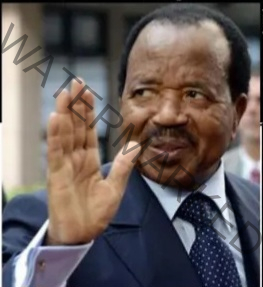
As May 2026 unfolds, the political atmosphere inside “La République du Cameroun” has entered one of its most uncertain periods in decades. The growing debate surrounding succession, constitutional restructuring, elite repositioning, and the future of President Paul Biya has intensified speculation about what a post-Biya transition could look like. For many observers, however, the deeper question is not merely who succeeds Biya. It is what political strategy may emerge immediately afterward.
Within pro-independence and Ambazonian circles, increasing attention is now being directed toward the possibility of a large-scale “peace and reconciliation” initiative designed to stabilize the Cameroonian state during transition while preserving the core architecture of the existing system. Supporters of such initiatives may view them as necessary for national stabilization. Critics, however, warn that they could function as political containment mechanisms rather than genuine structural transformation.
The Politics of the “Soft Landing”
Historically, leadership transitions within centralized political systems often generate immediate legitimacy crises. New administrations inherit weakened institutions, international scrutiny, economic pressure, and fears of fragmentation within security and political networks. In such contexts, reconciliation campaigns frequently become strategic tools for consolidating authority and projecting reformist legitimacy both domestically and internationally.
Analysts within the Ambazonian movement argue that any post-Biya administration may attempt precisely such a strategy: symbolic gestures of national unity, carefully managed dialogue initiatives, selective prisoner releases, controlled diplomatic outreach, and media campaigns emphasizing reconciliation and stabilization. Supporters would likely present these efforts as evidence of national renewal.
Skeptics, however, fear they could amount to cosmetic restructuring without meaningful political resolution of the conflict in the former British Southern Cameroons.
The Return of Familiar Faces
One expectation widely discussed in political circles is the possible re-emergence of long-standing political figures associated with previous regime structures. Names such as Issa Tchiroma Bakary are frequently mentioned in speculation surrounding efforts to construct a narrative of broad national consensus during transition.
Such moves would likely aim to reassure: foreign partners, investors, regional actors, and sections of the domestic population that institutional continuity remains intact despite political change at the top. Critics, however, argue that the recycling of familiar political elites may signal continuity of the system rather than genuine transformation.
The “Dialogue” Question
Another issue likely to re-emerge is the possibility of renewed national dialogue initiatives. Many Ambazonians remain deeply skeptical due to perceptions surrounding the 2019 Major National Dialogue organized in Yaoundé. Critics argued that the process lacked neutral mediation, meaningful enforcement mechanisms, and internationally guaranteed outcomes.
As a result, future dialogue proposals may face immediate resistance unless accompanied by: neutral international mediation, mutually agreed negotiation frameworks, external guarantees,
and recognition of core political grievances.For many within the independence movement, trust in state-led dialogue mechanisms has eroded significantly after years of conflict.
Historical Memory and the Foncha Parallel
Within Ambazonian political discourse, historical parallels are increasingly being invoked to frame fears surrounding transition politics. Figures such as John Ngu Foncha are often cited as examples of political actors who, in the view of some Ambazonian nationalists, became marginalized after facilitating earlier political arrangements between Southern Cameroons and the Republic of Cameroon.
Whether such comparisons are historically exact remains debated. Nevertheless, the symbolic power of these memories continues to shape political attitudes toward negotiations, compromise, and transitional arrangements.
The Prisoner Debate
One of the most sensitive issues concerns imprisoned Ambazonian leaders, including Sisiku Ayuk Tabe and others held in connection with the conflict. Within sections of the Ambazonian movement, debate persists regarding: the political role of imprisoned leaders, the legitimacy of negotiations conducted under detention,
and the possibility of state-managed reconciliation processes involving detainees.
Some activists argue that meaningful negotiations require conditions free from coercion, surveillance, or imprisonment. Others maintain that any pathway toward peace must inevitably involve detained leaders given their symbolic and political significance. The issue remains highly emotional and politically divisive.
The Fear of Fragmentation and “5th Columnists”
The succession period is also likely to intensify internal divisions within both Cameroonian and Ambazonian political spaces. Accusations of collaboration, compromise, infiltration, or “5th columnism” have already become increasingly common across online political discourse. Some activists fear that transition periods create opportunities for intelligence penetration, elite co-option, or controlled opposition dynamics aimed at weakening separatist cohesion.
At the same time, others warn that excessive internal suspicion can itself deepen fragmentation and undermine long-term political strategy. The challenge facing the movement may therefore involve balancing vigilance against manipulation while avoiding destructive internal polarization.
The International Dimension
The stakes surrounding any future peace initiative extend far beyond Cameroon itself. Foreign governments, international organizations, regional actors, and diplomatic observers all have strong interests in avoiding prolonged instability in Central Africa. The conflict intersects with broader concerns involving: regional security, migration pressures, Gulf of Guinea stability, counterterrorism dynamics, and economic continuity.
As a result, international actors may strongly favor negotiated stabilization frameworks even if underlying political disputes remain unresolved.This creates a potential tension between: international preference for stability,
and Ambazonian demands for substantive political self-determination.
Beyond the Mask
For many Ambazonians, the central fear is not simply military defeat. It is political absorption through managed transition. The concern is that a post-Biya administration could change the language, style, and international image of governance while preserving the deeper structures that fueled the conflict in the first place.
Whether such fears ultimately prove justified remains uncertain. What is undeniable, however, is that succession in Cameroon is no longer viewed merely as an internal leadership matter. It is increasingly understood as a defining moment that could reshape the future of the conflict itself. And for many observers within the Ambazonian movement, the greatest danger may emerge not during war, but during the politics of peace.
By Carl Sanders
Guest Writer, The Independentist News
8 May 2026