

In the end, the future of the region will likely depend less on rhetorical divisions and more on the capacity of communities and leaders to forge inclusive, credible plans for peace, accountability, and sustainable development.
By Timothy Enongene, Guest Editor-in-Chief, The Independentistnews
17 February 2026
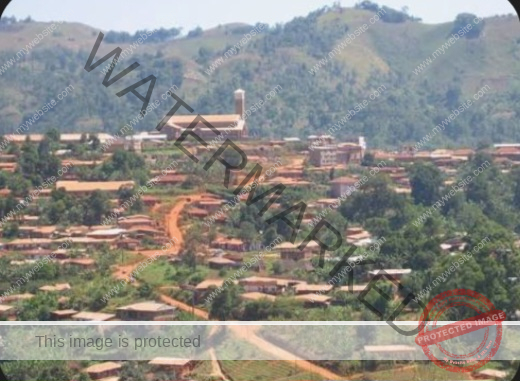
For many residents of Kumbo and surrounding areas, the past two decades have been marked by high expectations, political experimentation, and ultimately deep disappointment. The long tenure of Mr. Njong Donatus as mayor under the banner of the Social Democratic Front (SDF) was often presented as evidence that meaningful reform could be pursued through participation in Cameroon’s electoral system. Today, as conflict, economic hardship, and infrastructural decline continue to shape daily life, that assumption is being re-examined by a growing number of observers.
Representation and Reality
During the years when the SDF held significant local influence, supporters believed that sustained engagement within state institutions would gradually improve governance and protect regional interests. Municipal leadership was expected to channel development resources, strengthen public services, and offer communities a political voice.
However, the persistence of poor road networks, underfunded schools, and limited economic opportunities has led critics to question how much structural change was truly achieved. The escalation of violence in recent years—resulting in displacement, destruction of property, and disruptions to education—has further complicated any assessment of earlier political strategies.
The Collaboration Debate
The transition of council control in some areas from opposition figures to representatives aligned with the ruling Cameroon People’s Democratic Movement (CPDM) has intensified concerns that local participation may not translate into lasting autonomy or protection. To some activists, this pattern reinforces the belief that the national political framework ultimately absorbs or neutralises dissenting voices.
Others caution that attributing complex outcomes solely to local political participation risks overlooking broader constraints, including centralised fiscal authority, security dynamics, and national policy priorities. They argue that municipal leaders often operate within limited institutional space, making transformative change difficult regardless of personal commitment.
Lessons from Political Engagement
The experience of Kumbo has therefore become a reference point in wider debates about strategy within Southern Cameroons. Advocates of electoral engagement maintain that abandoning formal politics entirely could reduce opportunities for dialogue and development initiatives. Critics counter that participation without meaningful decentralisation or constitutional reform may inadvertently legitimise arrangements they consider unjust.
Historical parallels from other regions are frequently cited on both sides. Some movements have achieved progress through sustained institutional involvement, while others have concluded that external pressure or negotiated settlements were necessary to address fundamental grievances.
Beyond the Past
What remains clear is that communities affected by years of instability are searching for practical solutions that restore security, rebuild infrastructure, and create pathways for young people. Whether these goals are best pursued through political participation, civil advocacy, or new forms of leadership is still being contested.
The story of Kumbo is therefore not only about the perceived shortcomings of a particular political model. It is also about the broader challenge of translating aspirations for dignity and self-determination into strategies capable of improving everyday life. Reflection on past approaches—both their achievements and limitations—may help shape more coherent efforts moving forward.
In the end, the future of the region will likely depend less on rhetorical divisions and more on the capacity of communities and leaders to forge inclusive, credible plans for peace, accountability, and sustainable development.
Timothy Enongene, Guest Editor-in-Chief, The Independentistnews