

Ambazonia’s pathway forward will be shaped not only by its history, but by how it aligns with these emerging realities. The conversation, therefore, is no longer only about recognition. It is about alignment, participation, and long-term strategic value. And in a world increasingly defined by interconnected systems, those who align effectively are those who endure.
By Ali Dan Ismael Editor-in-Chief The Independentist News
Power in the modern world no longer announces itself through conquest. It reveals itself through systems—through pricing, risk, access, and movement.
When tensions rise in the Middle East, the first signal is not diplomatic language. It is the movement of Brent crude. Oil prices respond not only to supply, but to perceived disruption—particularly around critical corridors such as the Strait of Hormuz. But oil alone does not move the world. Behind it stands a quieter, equally decisive force: risk.
Institutions such as Lloyd’s of London play a central role in determining whether global trade flows smoothly or hesitates under pressure. Through maritime insurance and risk classification, these systems shape the cost, feasibility, and confidence required for international shipping to operate.
In moments of geopolitical tension, these mechanisms become more visible. Shipping costs rise. Insurance premiums adjust. Trade routes are reassessed. The system does not collapse—but it recalibrates. This is how modern power operates: not always through control of territory, but through influence over movement, risk, and access.
A SHIFTING GLOBAL LANDSCAPE
The current Iran crisis has highlighted an important reality: the global economy remains deeply dependent on a small number of strategic corridors. At the same time, it has reinforced the need for diversification.
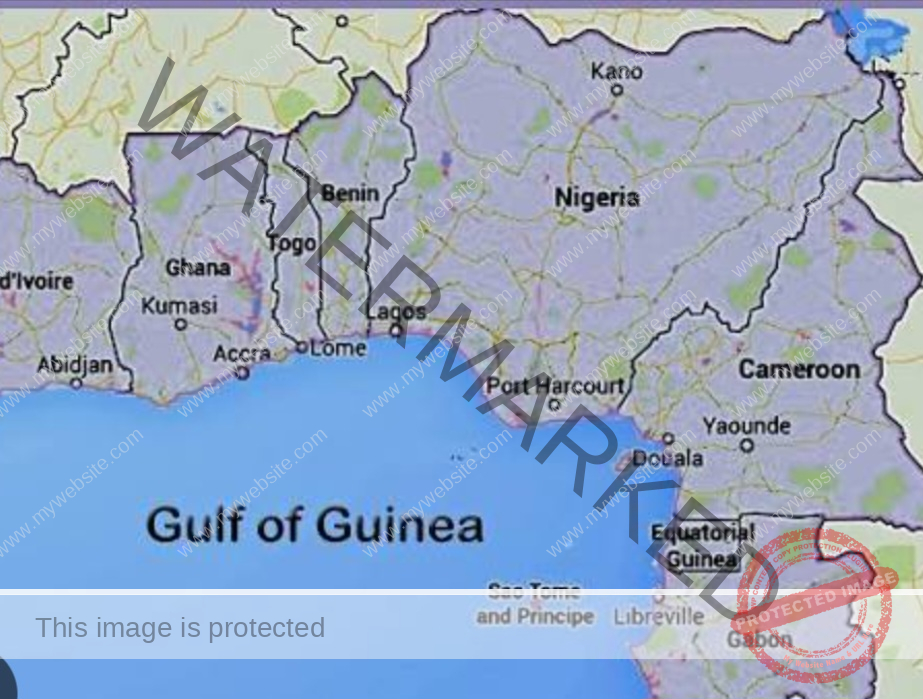
As supply chains evolve, attention is gradually expanding beyond traditional chokepoints. Regions once considered peripheral are now being reassessed through a different lens—one that values stability, access, and reliability. The Gulf of Guinea is one such region.
Positioned along the Atlantic, rich in natural resources, and proximate to both African and transatlantic markets, it is increasingly relevant to discussions about energy diversification, maritime security, and trade resilience. However, like many emerging corridors, its potential is tied directly to one critical factor: stability.
AMBAZONIA: FROM PERIPHERY TO POTENTIAL PARTNER
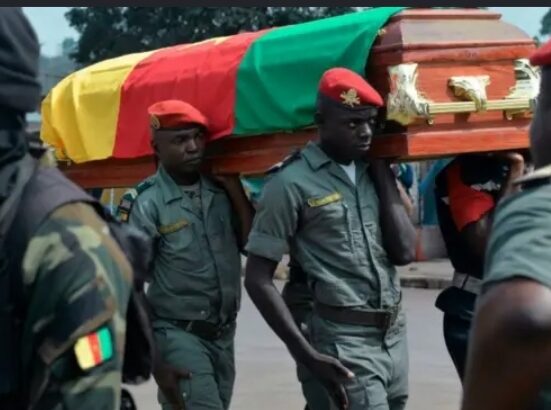
Within this evolving landscape, Ambazonia occupies a position that has been historically overlooked, but strategically significant. For years, the Ambazonian case has been presented primarily in humanitarian terms. The realities on the ground—displacement, insecurity, and governance challenges—are undeniable and deserve attention.
But in a global system driven by both values and interests, long-term engagement is often shaped by strategic alignment. Ambazonia’s geographic position along the Gulf of Guinea places it within a corridor that is increasingly relevant to: Maritime route security. Energy access and diversification. Regional economic integration. Agricultural and resource development. This does not position Ambazonia as a source of disruption. It positions it as a potential contributor to stability.
A FRAMEWORK FOR ENGAGEMENT
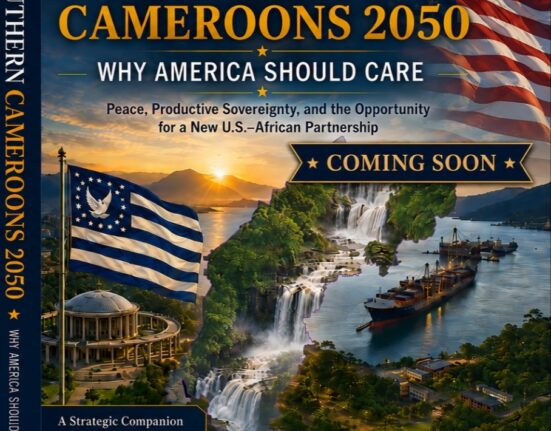
For international partners—particularly the United States—the question is not whether emerging regions matter. It is how they can be engaged in ways that support predictability, resilience, and shared benefit. In that context, Ambazonia presents an opportunity for a different kind of conversation. Not one centered solely on crisis. But one grounded in future alignment: Supporting secure and transparent economic systems. Encouraging governance structures that enable trade and investment. Enhancing maritime and regional security cooperation. Building capacity for sustainable resource management.
Such an approach aligns with broader global priorities: reducing dependency on single chokepoints, strengthening regional partners, and promoting stability in emerging corridors.
THE STRATEGIC REALITY
The lesson from current global tensions is not limited to the Middle East. It is broader. The world increasingly values regions that can contribute to continuity—the uninterrupted flow of goods, energy, and capital. In this context, relevance is not defined only by scale, but by position and reliability.
Ambazonia’s future role will depend on how effectively it can be positioned within that framework. Not as an exception to the system. But as a participant within it.
CONCLUSION: FROM RECOGNITION TO ALIGNMENT
The evolution of global power structures is ongoing. Institutions, markets, and states are adapting to a world where disruption in one region can have far-reaching consequences. In such a system, new partnerships matter. New corridors matter. New contributors to stability matter.
Ambazonia’s pathway forward will be shaped not only by its history, but by how it aligns with these emerging realities. The conversation, therefore, is no longer only about recognition. It is about alignment, participation, and long-term strategic value. And in a world increasingly defined by interconnected systems, those who align effectively are those who endure.
Ali Dan Ismael Editor-in-Chief The Independentist News