










Commentary

We are home to news on Cameroon and the CEMAC region. We are dedicated to honest and reliable reporting. We are the voice of the Cameroonian people and their fight for freedom and democracy at a time when the Yaoundé government is silencing dissent and suppressing democratic voices.

The people affected by this conflict do not need more statements. They need movement—measurable, credible, and sustained. If global leadership is to retain meaning, it must be demonstrated not only in words, but in the willingness to act when it matters most.
By Lester Maddox
Guest Contributor, The Independentistnews
Oakland County, California. April 1, 2026
Let us move beyond the language of diplomacy for a moment. Statements of “deep concern,” fact-finding missions, and carefully worded communiqués have not stopped the violence. What is needed now is decisive and coordinated action.
The conflict in Ambazonia persists, in part, because the authorities in Yaoundé appear to operate with a sense of international tolerance. Whether explicit or implicit, the perception that key global actors are unwilling to apply meaningful pressure has allowed the crisis to continue far longer than it should.
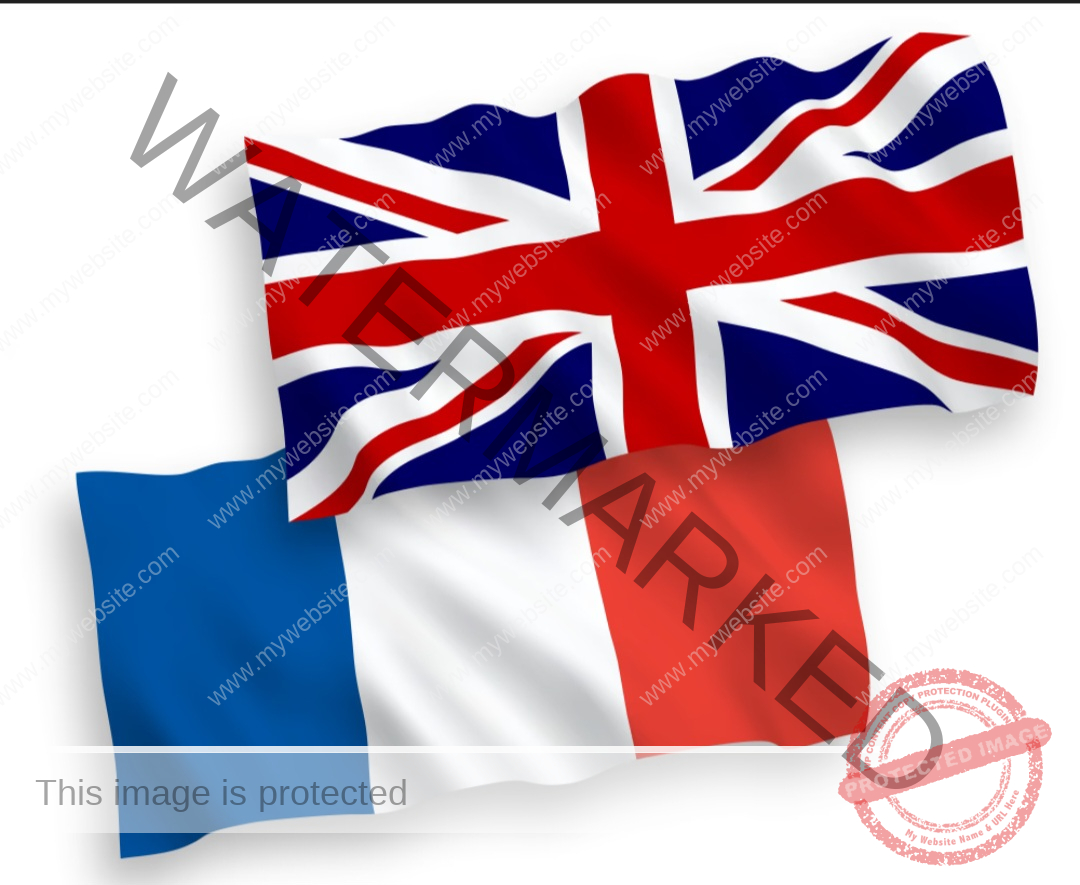
The United Kingdom and France, given their historical ties and diplomatic influence, remain uniquely positioned to shift the trajectory of this conflict. A clear, unified message—calling for restraint, accountability, and a credible, internationally mediated dialogue in a neutral setting—would carry significant weight.
It would be unrealistic to suggest that a single intervention could resolve such a complex conflict overnight. However, it is equally unrealistic to ignore the influence that coordinated diplomatic pressure can exert when applied with consistency and intent.
At present, there remains a widening gap between stated values—human rights, rule of law, civilian protection—and the lived reality on the ground. This gap is not only a moral concern; it is a credibility challenge for those who claim leadership on the global stage. The loss of civilian life demands more than acknowledgement. It demands alignment between principle and action.
This is not about assigning blame in simplistic terms. It is about recognising responsibility in proportion to influence. When nations have the capacity to encourage de-escalation, facilitate dialogue, and support accountability mechanisms, inaction becomes part of the problem.
The path forward is clear, even if difficult: Support a genuinely neutral, internationally mediated dialogue
Apply consistent diplomatic pressure for de-escalation. Reinforce accountability through international legal and human rights mechanisms
The people affected by this conflict do not need more statements. They need movement—measurable, credible, and sustained. If global leadership is to retain meaning, it must be demonstrated not only in words, but in the willingness to act when it matters most.
Lester Maddox
Guest Contributor, The Independentistnews
Share This Post:
The Hidden Secret: The Truth London and Paris Avoid
The Unshakable Resolve of Barrister Fru John Nsoh – A Pillar of the Ambazonian State
Related Post
The Foumban Deception: Why Ambazonia’s Struggle Is the Ultimate
The Eseka Census — A Blueprint for State-Sponsored Segregation
The Choice Between “Walking Slaves” and the Train to
The Yaoundé Charade: A Vice President for a Vanishing
Ambazonian House Slaves: The Architecture of Internal Betrayal
Manufactured Praise, Manufactured Power: The Fiction Behind “Biya’s Best