








For many citizens, both within Cameroon and across the diaspora, the hope remains that political institutions can eventually contribute to solutions that reduce tensions, restore trust, and open the door to a more stable and inclusive future.
By Carl Sanders, Guest Contributor, The Independentistnews, Soho, London
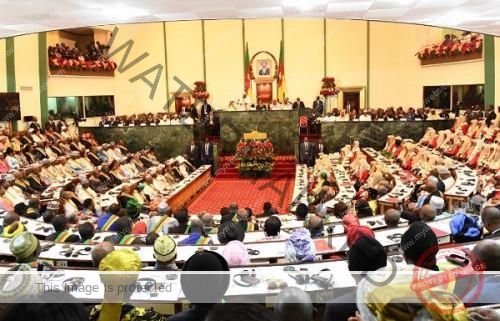
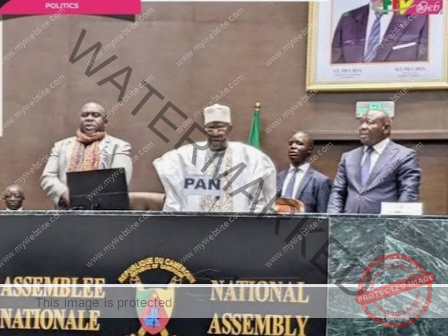
YAOUNDE – March 6, 2026 – March 10, 2026, the Speaker of Cameroon’s National Assembly, Cavaye Yeguié Djibril, will strike his gavel to open the ordinary parliamentary session in Yaoundé. State media will likely present the event as a routine demonstration of institutional continuity. Yet beneath the formal proceedings, the political atmosphere surrounding this session appears more complex and uncertain than in previous years.
Within Cameroon’s political landscape, parliament has long been dominated by the ruling Cameroon People’s Democratic Movement (CPDM). For decades, legislative sessions have largely followed predictable patterns, with limited public disagreement within the ruling majority. Recently, however, signs of unease have begun to surface among some members of the political class, reflecting broader pressures affecting the country.
Economic strain is one factor shaping the political mood. Cameroon faces mounting financial obligations, including debt servicing commitments and budgetary pressures linked to security operations and economic recovery efforts. In such an environment, debates over fiscal priorities—how resources are allocated, and who ultimately bears the burden—have become increasingly sensitive.
Reports circulating within political circles suggest that some parliamentarians are privately expressing frustration over delays in certain state payments and growing financial constraints. While such concerns remain largely muted in official proceedings, they reflect the broader pressures facing the country’s public finances.
At the same time, Cameroon’s political future has become the subject of renewed discussion. With President Paul Biya, one of Africa’s longest-serving leaders, now well into his nineties, questions about political succession and institutional continuity are quietly shaping conversations within elite circles. Discussions about potential constitutional reforms or institutional adjustments—such as the possibility of creating a vice-presidential structure—have periodically surfaced in political commentary, even if no definitive changes have yet been announced.
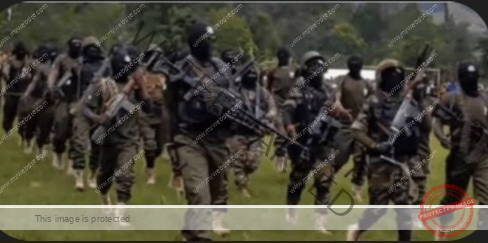
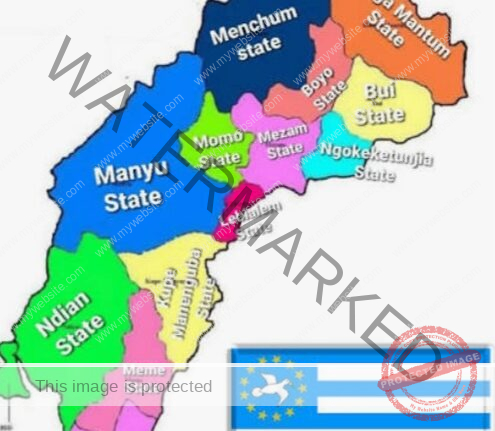
Overlaying these political and economic pressures is the ongoing conflict affecting the regions historically known as Southern Cameroons. For many observers, the persistence of this conflict has had implications not only for humanitarian conditions but also for national cohesion and state resources.
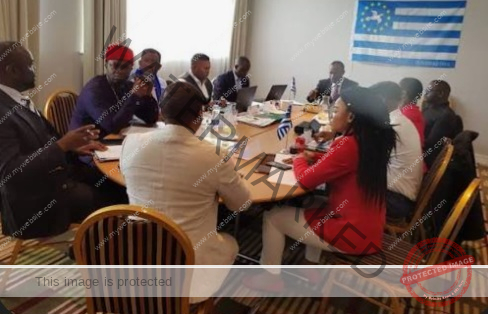
Advocates of the Ambazonian cause argue that the continued reliance on military responses has prolonged instability while placing additional strain on the country’s finances. They contend that the conflict has gradually exposed deeper structural tensions within the political system.
For the government in Yaoundé, however, maintaining territorial integrity remains a central priority, and officials continue to frame the conflict within the context of national security and unity.
Against this backdrop, the March 10 parliamentary session takes on greater symbolic significance. It will likely serve as a platform where the government outlines its legislative agenda for the year while projecting stability to both domestic and international audiences.
Yet for critics and analysts alike, the deeper question remains whether Cameroon’s political institutions can adapt to the growing pressures surrounding them—economic challenges, unresolved political grievances, and a shifting regional environment.
Parliament, at its best, is meant to serve as a forum for national dialogue and accountability. Whether the upcoming session moves in that direction or continues along familiar lines will depend on how openly the country’s leaders and representatives engage with the realities confronting the nation.
For many citizens, both within Cameroon and across the diaspora, the hope remains that political institutions can eventually contribute to solutions that reduce tensions, restore trust, and open the door to a more stable and inclusive future.
Carl Sanders, Guest Contributor Soho, London

Leave feedback about this