








Commentary

We are home to news on Cameroon and the CEMAC region. We are dedicated to honest and reliable reporting. We are the voice of the Cameroonian people and their fight for freedom and democracy at a time when the Yaoundé government is silencing dissent and suppressing democratic voices.

If the struggle is to retain legitimacy, it must reject criminality, resist internal sabotage, and restore trust at the grassroots level. The fire of restoration cannot be sustained by fear or ransom; it must be sustained by principle.
By Carl Sanders
Guest Contributor, The Independentistnews
Soho, London
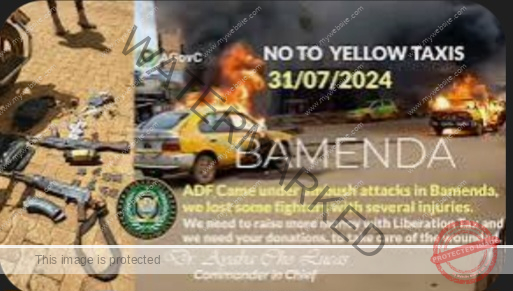
LONDON – February 27, 2026 – The most consequential victory for La République du Cameroun (LRC) in nearly a decade of conflict has not come solely from the BIR or the Gendarmerie. Increasingly, troubling evidence from the Savannah and Midland Zones suggests that internal fragmentation within the Ambazonian resistance — particularly actions attributed to factions operating under the name Ambazonia Defence Forces (ADF) — has done more to weaken the movement than direct military confrontation.
While international observers focused on diplomatic optics at the 39th AU Summit, violence and coercion on the ground continued to erode community trust. Reports from Batibo and surrounding localities indicate a disturbing pattern: civilians caught between state security forces and armed separatist factions, often unsure who poses the greater immediate threat.
For Yaoundé, internal division within the resistance represents a strategic advantage. History teaches that insurgencies often fracture under prolonged strain. In many colonial and post-colonial conflicts, authorities have exploited rivalries, co-opted factions, or benefited from undisciplined armed groups that alienate the civilian population. Whether by design or by dysfunction, such dynamics reduce manpower, weaken morale, and blur moral legitimacy.
The October 19, 2022 killing of Mami Cecilia Munji remains emblematic in the public imagination. For many, she symbolized grassroots commitment to the cause. Her death — widely discussed within community networks — deepened suspicion that certain actors within the armed struggle were operating outside any accountable command structure. Whether the motive was silencing, retaliation, or criminal opportunism, the perception of betrayal has been devastating.
In Batibo, the consequences of this breakdown are painfully visible. Civilians report kidnappings, forced levies, and intimidation from actors claiming to defend them. Some residents, out of fear rather than allegiance, have reportedly sought protection from state forces they once resisted. This reversal underscores a tragic reality: when a liberation movement loses civilian trust, it risks becoming indistinguishable from the forces it opposes.
The gravest danger to any resistance movement is not always external firepower but internal corrosion. Undisciplined factions, criminal infiltration, and personal profiteering can hollow out a cause from within. When armed groups operate without transparency or accountability, they create space for manipulation — intentional or incidental — by the very structures they claim to resist.
Conclusion: Reclaiming Moral Authority
Ambazonia stands at a difficult juncture. The question is no longer only about territorial control or diplomatic recognition; it is about moral credibility. A movement that cannot protect its own people risks forfeiting the ethical foundation upon which self-determination claims rest.
Reform does not begin with more weapons. It begins with clarity, discipline, civilian protection, and unified command structures that answer to the people rather than intimidate them. Communities must demand transparency from all armed actors who operate in their name.
If the struggle is to retain legitimacy, it must reject criminality, resist internal sabotage, and restore trust at the grassroots level. The fire of restoration cannot be sustained by fear or ransom; it must be sustained by principle.
History shows that liberation movements succeed not merely by resisting an adversary, but by proving they are worthy of the future they seek to build.
Carl Sanders
Guest Contributor, The Independentistnews
Share This Post:
The Guzang Market Killings: When Violence Undermines a Cause
The Gilded Cage: A Constitutional Analysis of Cameroon’s “Special Status”
Related Post
The Guzang Market Killings: When Violence Undermines a Cause
The Gilded Cage: A Constitutional Analysis of Cameroon’s “Special
The Mbuyoke Mandate: When Reform Fails and a People
Ash in the Savannah: Mbuyoke and the Fracturing of
Articles 4(h) and 4(p) of the AU Constitutive Act:
When Protest Costs More Than Killing: A Question of