










A credible negotiation process must include: Negotiations between legitimate belligerent parties, – Representation connected to homeland self-defense realities through designated diplomatic structures, – Neutral third-country venue, –International mediation, – Binding guarantors,-Unified institutional representation, – Immediate humanitarian measures, – No predetermined political outcome.
By The International/Diplomatic Spokesperson
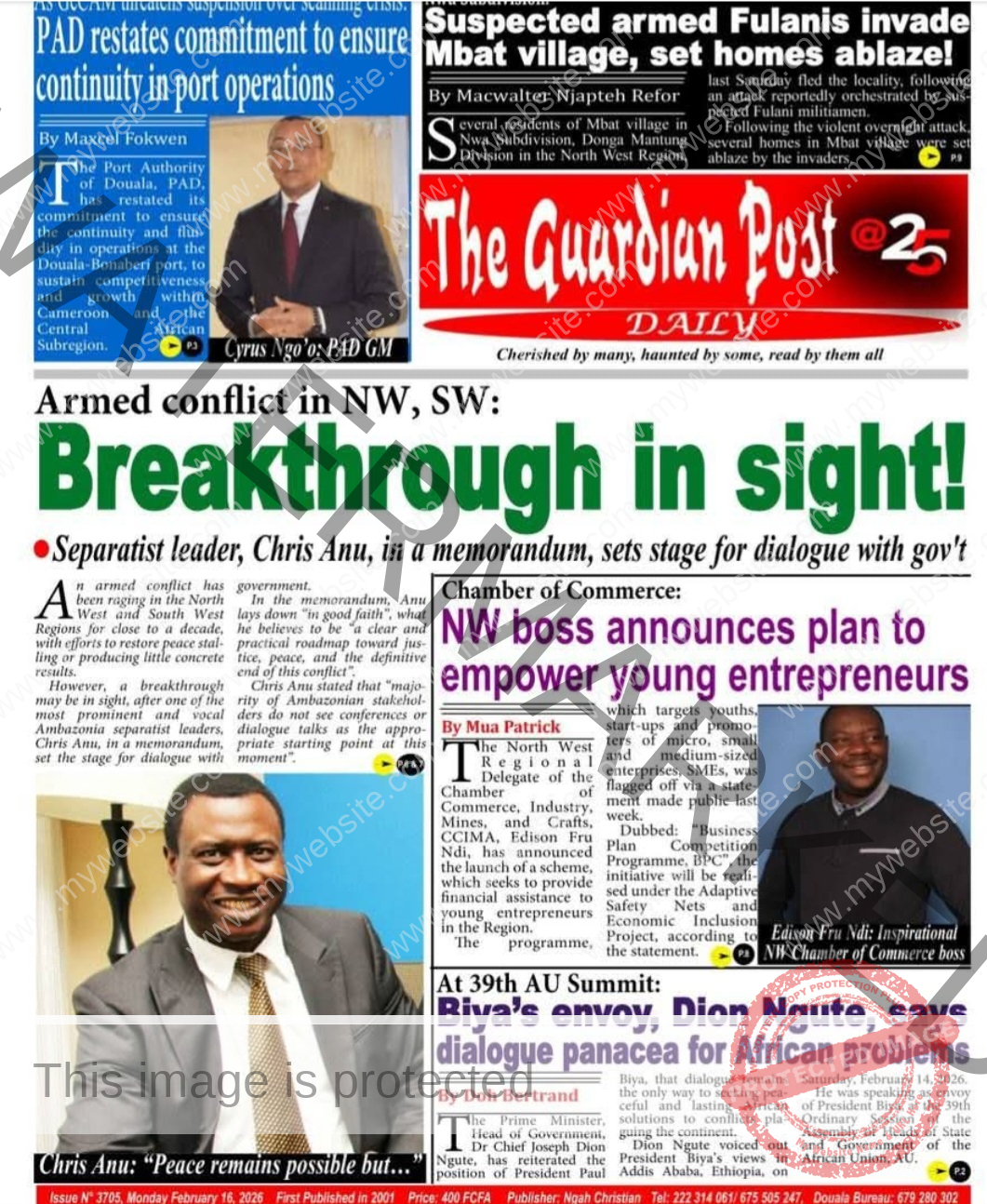
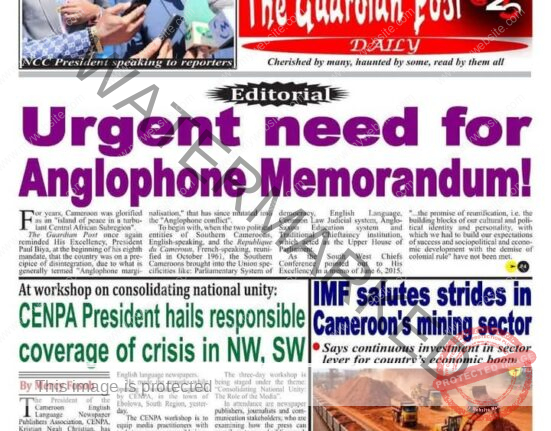
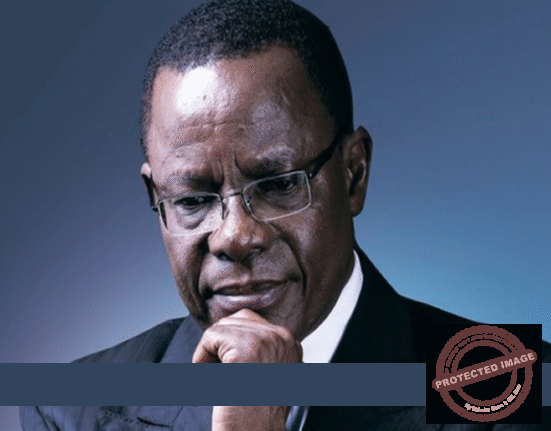
A close examination of the memorandum attributed to Mr. Chris Anu reveals that, while it raises certain humanitarian concerns, it diverges in critical respects from the official negotiation posture of the Federal Republic of Southern Cameroons – Ambazonia (FRSC–Ambazonia) and from the diplomatic framework under which homeland self-defense forces are represented internationally.
This critique clarifies the distinction between personal advocacy and institutional negotiating positions, particularly regarding representation, belligerent status, negotiation structure, and mediation guarantees.
- Representation and Mandate
The FRSC–Ambazonia position maintains that negotiations concerning the conflict must involve constitutionally and institutionally mandated representatives of the people of Southern Cameroons, including political authorities and recognized representatives connected to realities on the ground.
Mr. Chris Anu presently holds no official mandate within recognized government or diplomatic structures to negotiate or speak on behalf of the state or the population in matters of political settlement.
In contrast, the internationally engaged diplomatic posture of FRSC–Ambazonia recognizes that self-defense forces operating in the homeland, being directly affected by and involved in the conflict, must have their perspectives represented through designated international or diplomatic spokesperson structures, rather than through private initiatives. The memorandum therefore risks creating confusion by suggesting representation where institutional authority is absent.
- Negotiations Must Occur Between Belligerents
Under established international conflict-resolution norms, negotiations occur between belligerent parties, meaning actors directly engaged in the conflict. In the present conflict, the belligerents consist of:
The State of Cameroon; and Forces and institutions representing Southern Cameroons/Ambazonia, including homeland self-defense forces and the political structures representing the people. Mr. Chris Anu is not himself a belligerent actor, nor does he exercise command or political authority over forces operating in the homeland.
Therefore, he cannot sit at the negotiation table as a negotiating party. Legitimate negotiations must occur between recognized representatives of the conflicting parties, including designated diplomatic representatives connected to homeland realities.
- Necessity of Negotiations in a Neutral Third Country
The memorandum proposes dialogue but does not sufficiently emphasize that negotiations must occur: In a neutral third country, Outside the territorial control of either belligerent, Under conditions guaranteeing safety and equality of participation.
The FRSC–Ambazonia position insists that negotiations cannot credibly occur within the territory of one belligerent, as this creates power imbalance and undermines trust. International precedents demonstrate that neutral venues are essential for credible peace negotiations.
- Need for an International Guarantor
The memorandum places emphasis on sincerity but does not sufficiently address the need for binding international guarantees. The position of FRSC–Ambazonia maintains that any negotiated settlement must include:
Credible international guarantors, Monitoring mechanisms, Enforcement frameworks ensuring compliance. Peace agreements that rely solely on goodwill have historically collapsed without enforceable guarantees.
- Premature Narrowing of Political Outcomes
The memorandum advances autonomy followed by a referendum as a starting compromise. However, the official negotiation posture of FRSC–Ambazonia maintains that:
Negotiations should not begin with predetermined outcomes, All political options must remain open during negotiations, Final arrangements must result from structured negotiation processes and popular consultation. Predefining outcomes risks constraining negotiation space and undermining stakeholder participation.
- Humanitarian Measures Versus Political Negotiation
The memorandum correctly highlights urgent humanitarian issues, including detainees and displaced populations. However, FRSC–Ambazonia distinguishes between: Immediate humanitarian obligations that must proceed without conditions, and Political negotiations addressing long-term settlement. Humanitarian relief must not substitute for structured political negotiations.
- Risk of Diplomatic Fragmentation
Uncoordinated proposals from individuals risk: Confusing international mediators, Encouraging divide-and-rule approaches, Weakening unified diplomatic representation. The official position emphasizes coherent diplomatic messaging through recognized institutions and designated spokespersons.
Strategic Conclusion
Mr. Chris Anu’s memorandum highlights humanitarian concerns but remains institutionally misaligned with the official negotiation posture of the Federal Republic of Southern Cameroons – Ambazonia.
Key deficiencies include:
Lack of negotiation mandate, – Absence of belligerent status, – Insufficient insistence on neutral third-country negotiations, – Failure to demand international guarantors, – Premature narrowing of political outcomes, – Risk of diplomatic fragmentation.
Negotiation Framework of FRSC–Ambazonia (Summary)
A credible negotiation process must include: Negotiations between legitimate belligerent parties, – Representation connected to homeland self-defense realities through designated diplomatic structures, – Neutral third-country venue, –International mediation, – Binding guarantors,-Unified institutional representation, – Immediate humanitarian measures, – No predetermined political outcome.
The International/Diplomatic Spokesperson


Leave feedback about this