












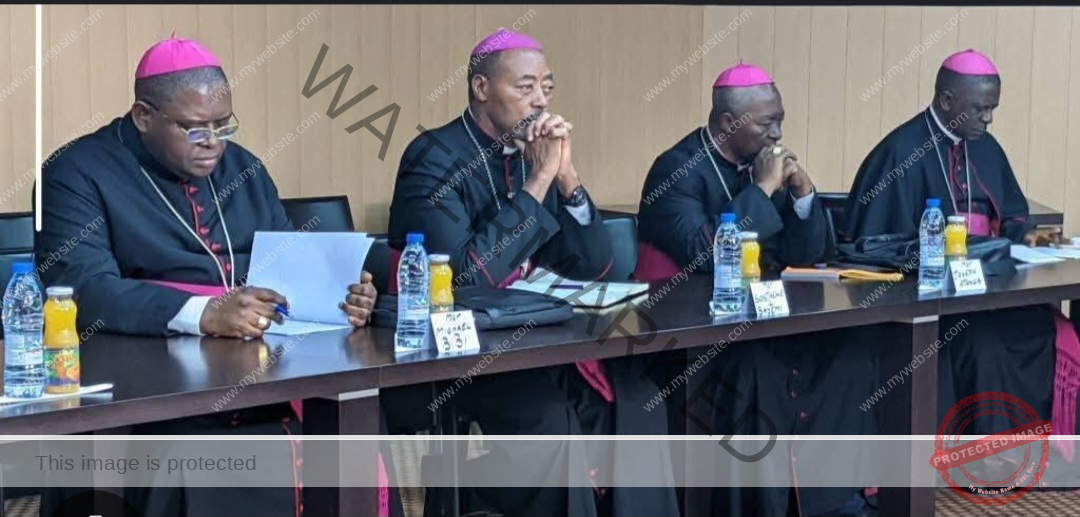
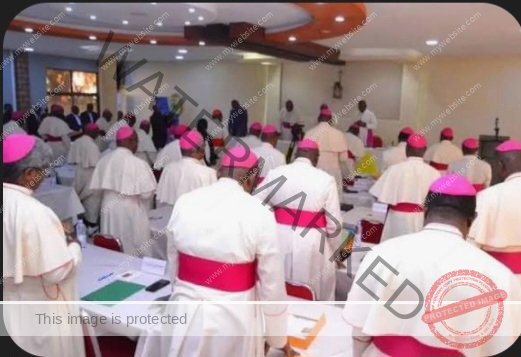
In recent communications, representatives of the National Episcopal Conference have emphasised that the Church should not be seen as directly intervening in partisan political processes. Supporters argue that this position reflects a desire to preserve credibility as a mediator and to avoid deepening divisions in an already polarised environment.
By Carl Sanders, Guest Writer
The Independentistnews | Soho. 27 March 2026
One of the most contentious issues surrounding the current Catholic Church leadership in Cameroon is what critics describe as a retreat into “both-sides” language. For those who hold this view, statements that call for restraint from all parties can sound like an attempt to remain acceptable to everyone while avoiding firm moral judgment. They often point to historical figures such as Desmond Tutu, whose outspoken condemnation of apartheid is remembered as an example of faith leadership that prioritised justice over institutional comfort.
In recent communications, representatives of the National Episcopal Conference have emphasised that the Church should not be seen as directly intervening in partisan political processes. Supporters argue that this position reflects a desire to preserve credibility as a mediator and to avoid deepening divisions in an already polarised environment. From this perspective, measured language is not an expression of indifference but a strategy aimed at maintaining access, reducing tensions, and supporting humanitarian engagement.
Yet this approach has drawn sharp criticism from activists and commentators who believe that neutrality — or even the perception of neutrality — can become morally problematic when legal or political structures are themselves viewed as unjust. They argue that appeals to “law and order” may ring hollow for communities who feel disenfranchised or marginalised, and that religious institutions risk appearing detached from lived realities if they do not clearly identify the sources of suffering.
The debate reflects a broader theological and ethical dilemma. Should church leaders adopt a prophetic stance that directly challenges systems they perceive as oppressive, even if this reduces their ability to act as intermediaries? Or should they pursue cautious engagement in the hope of fostering incremental change and preventing further escalation? In practice, many faith institutions struggle to balance these competing expectations.
A Moral Reflection
Biblical imagery is frequently invoked in this discussion. The warning in Revelation 3:16 about being “lukewarm” is often cited by those who believe moral crises demand unequivocal positions. Others interpret the same tradition as emphasising patience, endurance, and the long work of reconciliation in fractured societies.
An Unresolved Tension
Ultimately, the controversy over so-called “both-sides-ism” reveals deeper questions about the role of religious leadership in times of conflict. Whether through outspoken advocacy or careful diplomacy, the credibility of the Church will likely continue to be measured by how convincingly it is seen to stand with those who suffer while contributing to pathways toward justice and peace.
Carl Sanders, Guest Writer
The Independentistnews



Leave feedback about this