












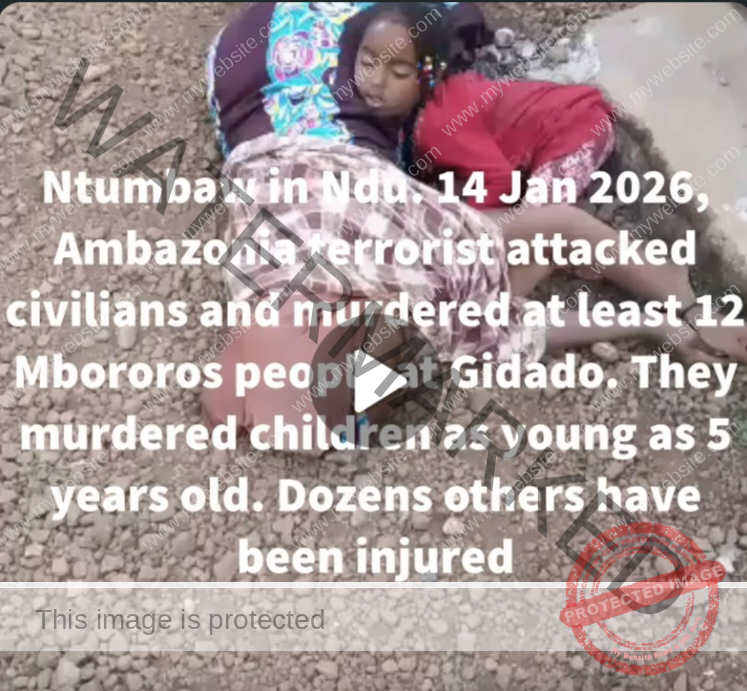
When people speak of “unknown gunmen,” kidnappings, and unexplained violence, we must not rush to blame communities or neighbors. In many conflict zones around the world, desperate governments have used criminal networks, proxy groups, and covert operatives to create fear, confusion, and mistrust. These tactics are designed to fracture society from within.
By Timothy Enongene
BUEA January 12, 2026 – To our brothers and sisters on the Home Front, we send a message of vigilance, courage, and collective care. As the conflict enters another difficult phase, we must remain clear-minded and united. When conventional military force fails to secure political control, occupying regimes throughout history have turned to psychological warfare, fear campaigns, and covert destabilization. Cameroon today shows many of those same signs.
When people speak of “unknown gunmen,” kidnappings, and unexplained violence, we must not rush to blame communities or neighbors. In many conflict zones around the world, desperate governments have used criminal networks, proxy groups, and covert operatives to create fear, confusion, and mistrust. These tactics are designed to fracture society from within.
The dynamics of a weakening system
A basic truth of political conflict is that systems in decline often become more reckless, not more restrained. As the crisis deepens, those in power may resort to chaos rather than dialogue. Their objectives are usually threefold:
First, to discredit legitimate movements by associating them with criminality and violence. Second, to present themselves internationally as the only force capable of restoring order, even when the disorder itself is manufactured or worsened by their actions. Third, to weaken social bonds — to make people fear one another, doubt their communities, and lose faith in peaceful collective purpose. These are not new strategies. They have been used by failing regimes across continents and decades.
A long pattern of imposed rule
To understand the present, we must remember our past. Between 1953 and 1961, Southern Cameroons experienced genuine democratic governance. Leaders were chosen by the people, not imposed from abroad.
In contrast, the political culture of La République du Cameroun has long been shaped by external influence and internal coercion. From the era of French intervention, when leaders were installed and opposition violently suppressed, a pattern was established: rule by force rather than consent. That same pattern, many believe, continues today — different actors, but the same logic of imposition and repression.
A call for resilience, not fear
This moment calls for wisdom, not panic. It calls for solidarity, not suspicion. Our strength lies in our ability to remain humane, organized, and morally grounded even in times of fear.
Community awareness, mutual protection, and clear communication are essential. We must look out for one another, report wrongdoing, and reject attempts to turn neighbors into enemies. No cause, however just, is served by harming civilians or spreading terror.
The words of Harriet Tubman still resonate:
“If you hear the dogs, keep going… If you want a taste of freedom, keep going.” But “keep going” does not mean becoming what we oppose. It means holding onto dignity, truth, and collective purpose even when the road is hard.
Ambazonia’s future will not be secured by fear or hatred, but by resilience, clarity, and a shared commitment to justice. We must stay vigilant. We must stay united. And we must stay human.
Timothy Enongene

Leave feedback about this