












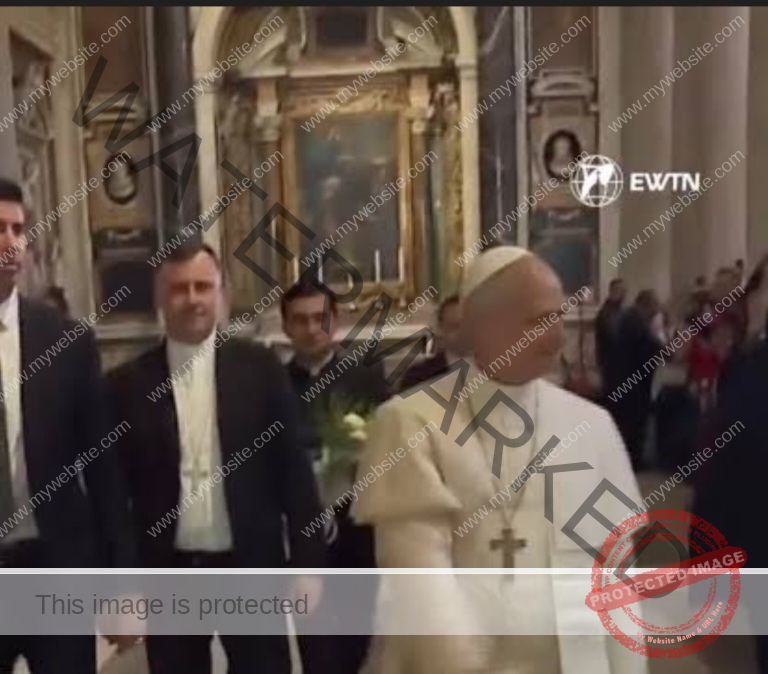
If Pope Leo IV listens beyond official briefings — to the testimonies of the wounded, the exiled, the forgotten — the narrative of stability may prove harder to sustain than its architects expect. The real question, then, is not what the Pope will say. It is what local shepherds have already chosen to avoid saying.
By Carl Sanders Guest Writer
The Independentistnews, Soho London
27 March 2026
A new wind is blowing through Rome — and it is not the stale air of diplomatic caution. The rise of Pope Leo IV has ignited expectations of moral confrontation in an age of comfortable silence. He has built a reputation for challenging power when power crushes dignity. He is not a pontiff of polite neutrality. He is a man who understands that injustice does not negotiate with whispers. And that is precisely why the panic is visible in Yaoundé.
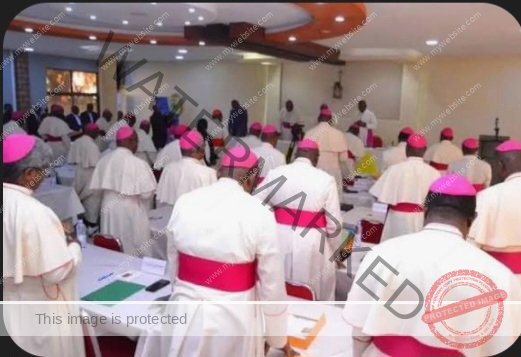
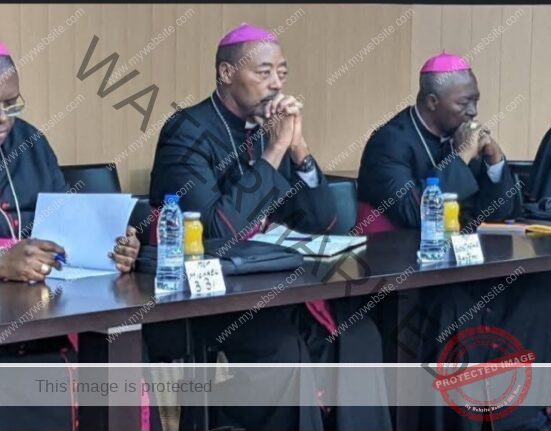
For years, sections of the Cameroonian Church hierarchy have mastered the art of appearing present while remaining politically harmless. They have wrapped caution in the language of “pastoral responsibility,” turning moral urgency into carefully worded communiqués that soothe governments more than they comfort the grieving.
While villages burn and families scatter into forests and refugee camps, the corridors of influence remain busy with polite meetings, symbolic gestures, and strategic silence. The prophetic voice that once defined spiritual leadership has, in the eyes of many, been traded for access — access to banquets, ceremonies, and the illusion of relevance within the architecture of state power. This is not merely institutional weakness. It is a crisis of courage.
To prepare a papal visit without preparing the truth is to stage a performance. To showcase calm while communities live in fear is to construct a narrative that history will eventually dismantle. No amount of protocol can sanctify unresolved suffering. No motorcade can outrun the memory of the displaced.
The temptation facing church leadership today is ancient: the desire to remain acceptable to rulers while claiming fidelity to the Gospel. Scripture offers a stark warning. Friendship with systems that perpetuate injustice risks transforming spiritual authority into ceremonial decoration. When faith becomes comfortable with power, it risks losing credibility with the powerless.
Yet papal visits are not scripts to be written by local actors seeking validation. They are moments that can expose realities as much as they celebrate unity. If Pope Leo IV listens beyond official briefings — to the testimonies of the wounded, the exiled, the forgotten — the narrative of stability may prove harder to sustain than its architects expect. The real question, then, is not what the Pope will say. It is what local shepherds have already chosen to avoid saying.
Revolutions are not only fought in forests and streets. They are fought in the conscience of institutions. When moral authority hesitates, history advances without it. When spiritual leaders mistake proximity to power for influence over it, they risk becoming witnesses not to peace, but to the slow erosion of trust. The hour demands clarity, not choreography. Truth, not theatre.
Carl Sanders
The Independentistnews
Soho, London


Leave feedback about this