

For church leaders and political authorities alike, the moment presents both a challenge and an opportunity — to ensure that gestures of peace are matched by concrete commitments to dignity, dialogue, and lasting resolution.
By Carl Sanders, Guest Writer
The Independentistnews | Soho. 26 March 2026
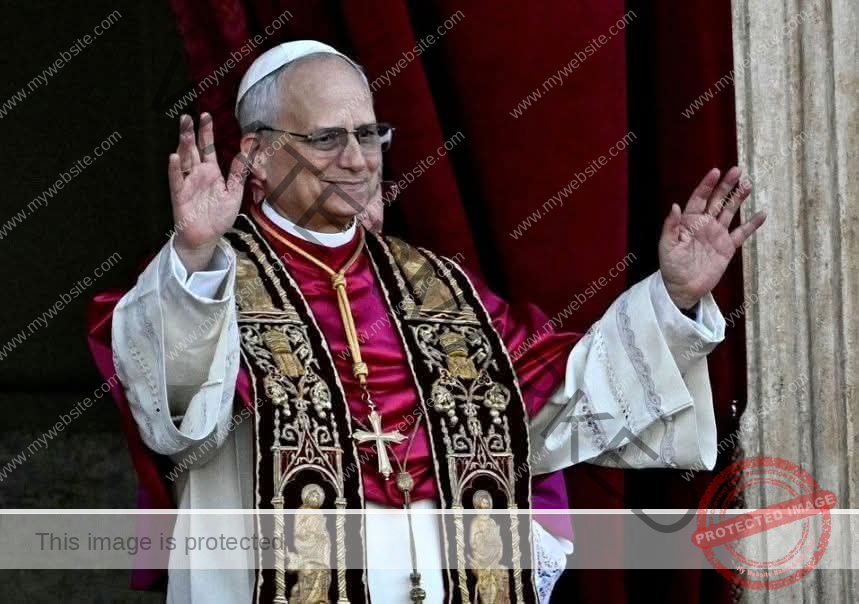
Major religious visits have long carried both symbolic and political weight, particularly in countries facing internal conflict. The anticipated 2026 visit of Pope Leo XIV — widely discussed in diplomatic and ecclesiastical circles — is already generating sharply contrasting expectations. For some, it represents a rare opportunity for national reflection and moral renewal. For others, it raises concerns that carefully choreographed ceremonies could obscure unresolved grievances on the ground.
In Cameroon, Archbishop Andrew Nkea and other church leaders have framed the prospective visit as a pastoral milestone — an event that could encourage reconciliation, draw international attention to humanitarian needs, and foster dialogue among divided communities. Supporters argue that papal visits often provide moments of collective pause, allowing societies to re-examine their direction and recommit to peaceful coexistence.
Critics, however, warn that such events can also become instruments of political messaging. They fear that tightly managed itineraries, symbolic gestures, and official narratives of “stability” might project an image of calm that does not fully reflect the lived experiences of communities affected by violence and displacement. From this perspective, the risk is not the visit itself but the possibility that it may be used to validate competing claims about the state of the nation.
The tension between spectacle and substance is not unique to Cameroon. Throughout modern history, high-profile visits by global figures — whether religious or political — have sometimes functioned as catalysts for reform, while at other times they have served to reinforce existing power structures. Much depends on the extent to which such visits create space for honest testimony, engagement with victims, and acknowledgement of ongoing challenges.
A Moral Reflection
Commentators frequently invoke the words of Martin Luther King Jr., who emphasised that genuine peace requires justice rather than the mere absence of visible conflict. Biblical passages such as Jeremiah 6:14, which cautions against superficial assurances of peace, also resonate in these debates. Together, these references highlight a shared moral concern: that reconciliation efforts must address underlying causes of suffering if they are to be credible.
A Defining Opportunity
Ultimately, the significance of any papal visit will be measured less by ceremonial grandeur than by its impact on truth-telling, accountability, and healing. If it amplifies the voices of those most affected by the crisis and encourages meaningful steps toward justice, it may be remembered as a turning point. If it is perceived as detached from the realities of conflict, it risks deepening scepticism among already disillusioned populations.
For church leaders and political authorities alike, the moment presents both a challenge and an opportunity — to ensure that gestures of peace are matched by concrete commitments to dignity, dialogue, and lasting resolution.
By Carl Sanders, Guest Writer
The Independentistnews |