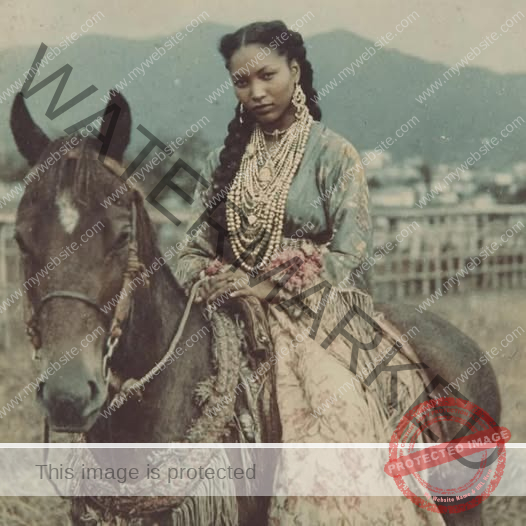


Whether your ancestors: cultivated cocoa in Cameroon, ruled in Benin or Ethiopia, fought colonizers in Haiti or survived the Middle Passage in shackles, They fought for a future in which their descendants — us — would not live in chains. That collective resilience is our inheritance.
By Vivian Abiedu The Independentist contributor
Why Identity Remains a Battlefield
Across the globe, Black people continue to confront a painful legacy: a story fragmented by slavery, colonization, and forced displacement. These fractures have given rise to different — sometimes conflicting — narratives about origin and belonging. The question is not only where Black people come from, but who gets to define that truth. Identity is political. Identity determines dignity. Whoever controls the narrative controls the future.
Africa: The Documented Homeland
What Established Scholarship Confirms
A vast body of scientific and historical evidence affirms that: Modern humans originated in Africa and migrated outward over millennia. African societies developed systems of governance, scholarship, trade, metallurgy, and architecture long before European expansion. Millions of Africans were forcibly taken to the Americas during the Trans-Atlantic Slave Trade. Moorish civilizations in North Africa influenced Europe for centuries. These are not mere academic claims. They are supported by archaeology, anthropology, genetics, and written records. They reflect Africa’s central role in human civilisation.
When History Hurts
The Emotional Roots of Counter-Narratives
Despite the strong historical record, many African Americans take a different stance: “We did not come from Africa.” This expression is often less about geography and more about trauma: Families were separated and stripped of names, languages, ancestors. Schools taught Africa as inferior, primitive, shameful. The dominant image of African origins became chains and auction blocks. In response, some have constructed narratives that place their roots proudly on American soil, in defiance of a history weaponized against them.
On the African continent, these claims can cause fear and frustration. People worry about cultural displacement: “If we are not the rightful heirs to our homeland, who are we?” Both reactions deserve empathy. A Shared Wound. How Power Manipulated the Past
Much of this division has been designed: Colonial records minimized Africa’s achievements to justify domination. Enslavers erased genealogy to prevent resistance. Modern geopolitics continues to profit from a disconnected Black world. A community without a coherent past becomes: Easier to control, Easier to divide, Easier to exploit. This is not an accident of history — it was a strategy.
Building a United Story
From Confusion to Collective Strength
Instead of asking who belongs more, we can ask: How do we rebuild a dignified, inclusive story that empowers everyone? Four essential actions: Reconnect knowledge. Combine DNA research, oral histories, archaeology, and community memory. Transform culture into power, Invest in heritage, diaspora exchange, and economic self-determination. Reclaim Africa’s intellectual legacy
Teach history that centers African agency, creativity, and leadership. Strengthen global alliances
Advocacy and solidarity must cross borders: America, Europe, the Caribbean, Africa.
The Human Truth More Alike Than Apart
Whether your ancestors: cultivated cocoa in Cameroon, ruled in Benin or Ethiopia, fought colonizers in Haiti or survived the Middle Passage in shackles, They fought for a future in which their descendants — us — would not live in chains. That collective resilience is our inheritance.
Conclusion: We Own the Story Now
This conversation is not about choosing sides. It is about refusing to let others define us. A unified narrative of Black identity does not erase differences. It honors them — while recognizing our deeper connection. We are teachers, inventors, farmers, philosophers, survivors. We are the children of Africa, wherever we stand in the world. We are one people, scattered — but never broken.
Vivian Abiedu