












Today, Kale’s legacy endures in the parliamentary traditions and political consciousness he helped shape. His life mirrors the journey of a generation that moved from colonial subjection toward political participation and governance in the making of modern Cameroon and Southern Cameroons’ political history.
By Kemi Ashu and Timothy Enongene, Guest Editor-in-Chief, The Independentistnews
Early Life and Education
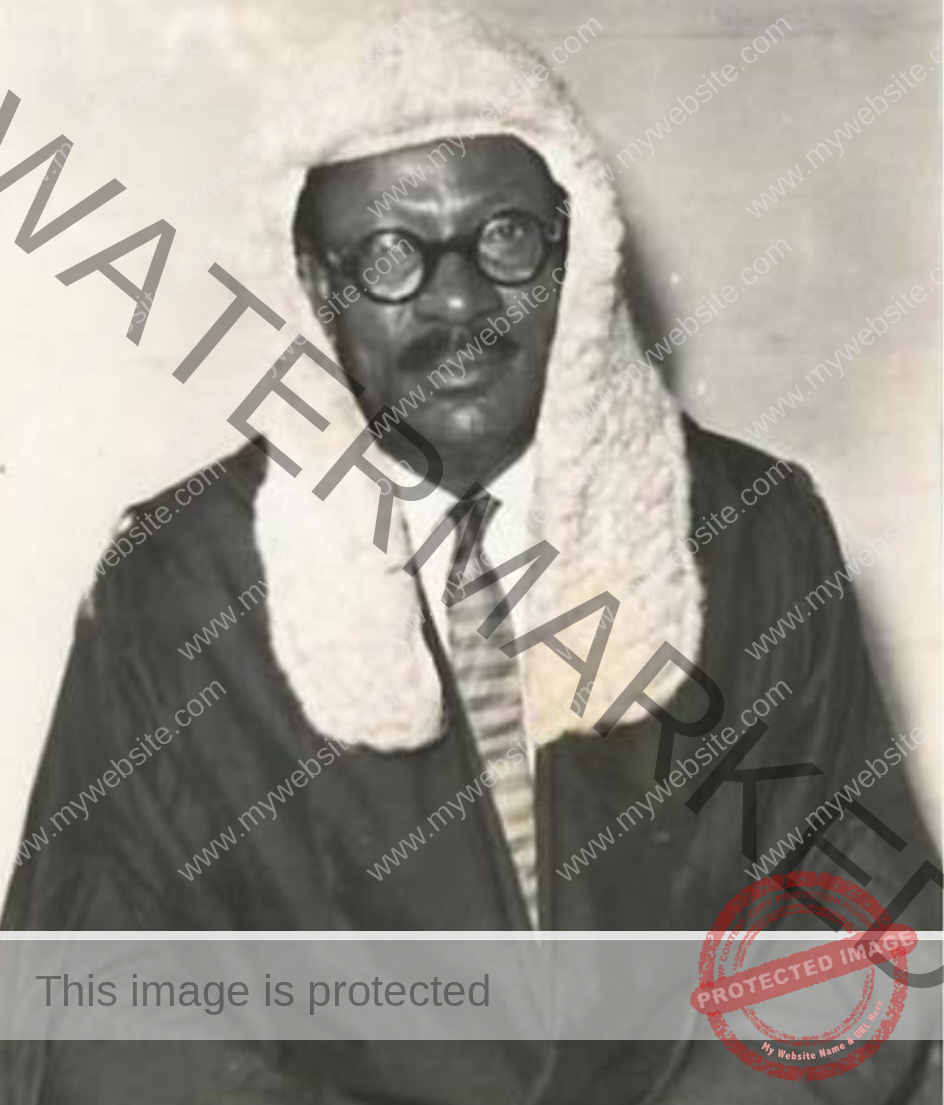
Paul Monyonge Kale (1910–1966) remains one of the defining political figures of Southern Cameroons during the transition from colonial administration to self-government and early post-independence governance. As Speaker of the West Cameroon House of Assembly from 1961 until his death in 1966, Kale helped lay the parliamentary foundations of a region navigating complex political change.
Born on 20 March 1910 in Buea, then the administrative capital of British Southern Cameroons, Kale received his primary education locally before proceeding to Nigeria for further studies. Like many ambitious young Southern Cameroonians of his generation, he found in Nigeria not only educational opportunity but also exposure to a growing wave of African political consciousness.
Political Awakening in Lagos
Arriving in Lagos in April 1935, Kale entered a political environment alive with anti-colonial debate and activism. Lagos at the time was a nerve center of West African nationalism, drawing students, intellectuals, and activists from across British West Africa. Kale soon immersed himself in organizations advocating political rights for colonized peoples.
He became a founding member of the Cameroon Welfare Union (CWU), later joining the National Council of Nigeria and the Cameroons (NCNC), one of the most influential nationalist movements in West Africa. Through this platform, Kale worked to project what he and his peers described as the Cameroonian political identity within Nigerian and international discussions.
Building Cameroonian Civic and Youth Movements
Kale also helped establish youth and civic movements including the Cameroon Youth League (CYL) and the Cameroons National Federation (CNF). He further contributed to community-based organizations such as the Bakweri Union and the Bamenda Improvement Association, which promoted education, social development, and political awareness among local populations.
These associations played an important role in shaping the political consciousness of Southern Cameroonians at a time when constitutional change and decolonization were becoming realistic possibilities.
Return Home and Entry into Territorial Politics
Returning to Southern Cameroons in 1953, Kale entered territorial politics at a moment when constitutional reforms were opening space for local self-rule. Alongside Nerius N. Mbile, he helped establish the Kamerun People’s Party (KPP), contributing to the rapid emergence of party politics in the territory.
Political realignments followed in the late 1950s, and the KPP later merged with the Kamerun National Congress (KNC) to help form the Cameroon People’s National Convention (CPNC) opposition coalition in 1960.
Founding a New Political Path
In 1959, Kale charted an independent political course by founding the Kamerun United Party (KUP), which advocated independence for British Cameroons as a distinct political entity. This position reflected the intense debates of the era over whether the territory should integrate with Nigeria, unite with the Republic of Cameroon, or pursue separate statehood.
His stance placed him among those advocating a third option at a time when political choices carried long-lasting consequences for the territory’s future.
Steward of Parliament in West Cameroon
Following the 1961 plebiscite and the creation of West Cameroon within the Federal Republic of Cameroon, Kale assumed the role of Speaker of the West Cameroon House of Assembly.
In this position, he became known for his firm but balanced stewardship of parliamentary proceedings, ensuring that legislative debates were conducted within the framework of parliamentary order during a politically delicate era.
His tenure helped establish parliamentary procedure and legislative discipline in a region undergoing rapid transformation.
Intellectual Legacy and Final Years
Beyond politics, Kale left an intellectual contribution through his manuscript, Political Evolution in the Cameroons, completed shortly before his death and published posthumously in August 1967. The work remains an important reference for scholars studying constitutional and political developments in the region.
Paul Monyonge Kale passed away in 1966, bringing to a close a career devoted to political organization and institution-building during a formative period in regional history.
Family and Personal Legacy
While much of Paul Monyonge Kale’s public life is well documented, details of his private family life remain less publicly recorded. He is remembered by family members and descendants who continue to preserve his memory and contribution to the political development of Southern Cameroons.
A Legacy That Endures
Today, Kale’s legacy endures in the parliamentary traditions and political consciousness he helped shape. His life mirrors the journey of a generation that moved from colonial subjection toward political participation and governance in the making of modern Cameroon and Southern Cameroons’ political history.
Source: Historical Dictionary of Cameroon and archival historical records.
Kemi Ashu and Timothy Enongene



Leave feedback about this