











Across the country — from Douala to Bamenda to Garoua — people reported seeing pre-stuffed ballot boxes, double voting, and disappearing results. In the anglophone regions a total boycott was observed making ballot box stuffing inevitable.
By The Independentist Political Desk
When Cameroonians went to the polls on October 12, 2025, many hoped this would finally be a turning point. But instead of renewal, the country got déjà vu. The same man who has ruled for more than four decades, Paul Biya, 93 years old, was declared the winner again — this time with 53.66% of the votes. At first glance, it looked like another routine victory. But behind the numbers lay a story of fear, silence, and deep mistrust.
A Vote Already Decided
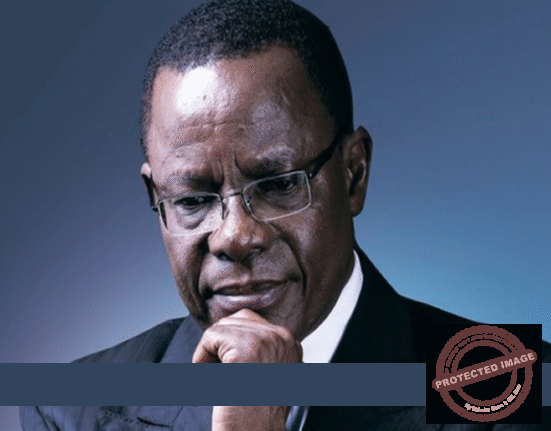
Before election day, the playing field was already tilted. The main opposition leader, Maurice Kamto, was disqualified. Civil society groups that usually help keep elections honest — like REDHAC — were suspended or intimidated. Journalists and activists were arrested or threatened. Many citizens said openly: “This election is already cooked.”
The Ballots and the Bullets
Across the country — from Douala to Bamenda to Garoua — people reported seeing pre-stuffed ballot boxes, double voting, and disappearing results. In the anglophone regions a total boycott was observed making ballot box stuffing inevitable.
When the results were announced, the streets erupted — not in celebration, but in anger.
Security forces fired shots; protesters clashed with police.Two names became symbols of that dark week:
Madam Zouhaira, a teacher in Garoua, shot dead on October 21. Abe Michael, a member of parliament, abducted and murdered the next day.
A Swearing-In Without Conviction
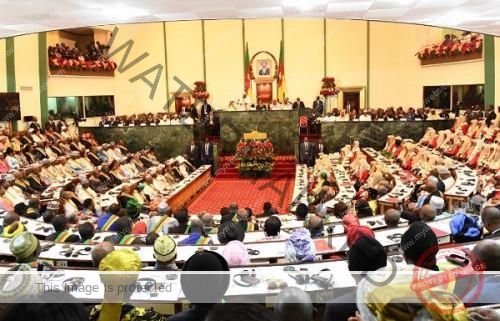
On paper, Biya’s swearing-in was supposed to be a celebration of democracyIn reality, it felt like an old play with no new actors. Foreign embassies sent low-level representatives. The U.S. Congress released a statement questioning the election’s fairness and warning that Cameroon’s crisis now threatens the whole Central African region.
But what truly disturbs the international community is Biya’s continuation of his illegal war against the people of Ambazonia — a war declared without parliamentary approval, waged mainly against civilians, and marked by killings, mass displacements, and the burning of entire villages.
Even as he took the oath of office, his army was still shelling communities in Bamenda, Kumba, and Mamfe — as if democracy and destruction could coexist.
The Tchiroma Factor
In an unexpected twist, Biya’s closest challenger, Issa Tchiroma Bakary, has refused to concede defeat. Calling the vote “a national robbery,” he announced that he too will take an oath of office, symbolically claiming the presidency in defiance of what he calls “a stolen mandate.” Tchiroma’s declaration deepened the country’s confusion — one nation, two oaths, and no shared truth. In protest, his supporters declared three consecutive days of “ghost towns” across the major cities of French Cameroon — from Yaoundé to Douala and Garoua. Shops remained closed, taxis disappeared from the streets, and government offices sat empty. What was once an Anglophone act of resistance has now become a new national norm under Tchiroma’s leadership, showing how far public discontent has spread beyond Ambazonia. The silence was deafening — and it spoke louder than any campaign speech.
The Ambazonian Position
The Government of the Federal Republic of Ambazonia has long made its position clear:
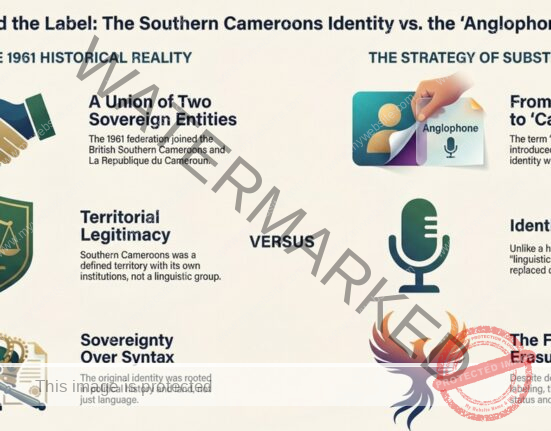
there can be no legitimacy in any election organized by La République du Cameroun on Ambazonian soil. The people of Southern Cameroons were never part of that republic by law, treaty, or consent. The 2025 vote therefore has no jurisdictional authority in Ambazonia — it is viewed as an extension of occupation, not representation.
Ambazonians see Biya’s so-called “victory” as further proof that Yaoundé has lost moral and legal control over its western territory. And while Biya celebrates in Yaoundé, Ambazonians continue to mourn, resist, and rebuild — determined to end what they call “France’s last colonial war in Africa.”
Why It Matters
Cameroon is a young country — most of its people are under 25. Yet it is ruled by a man older than their grandfathers. What this election showed is not strength, but fear of change. It showed that those in power still prefer control over consent — and that democracy, for now, is just a word on paper.
The world saw it too.
No matter the ceremony, a victory born of intimidation and exclusion cannot heal a divided nation. And no amount of applause can hide the truth: Cameroon’s 2025 election was not the voice of the people — it was the echo of a long, lonely ruler who has forgotten how to listen.
The Independentist Political Desk


Leave feedback about this