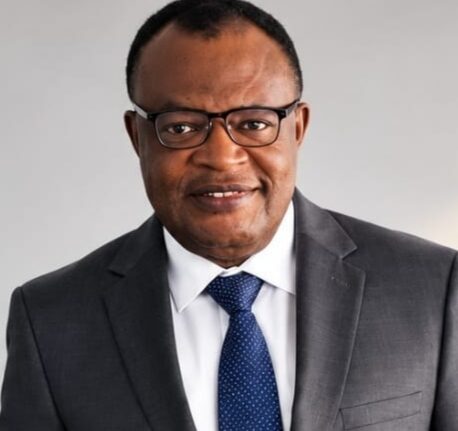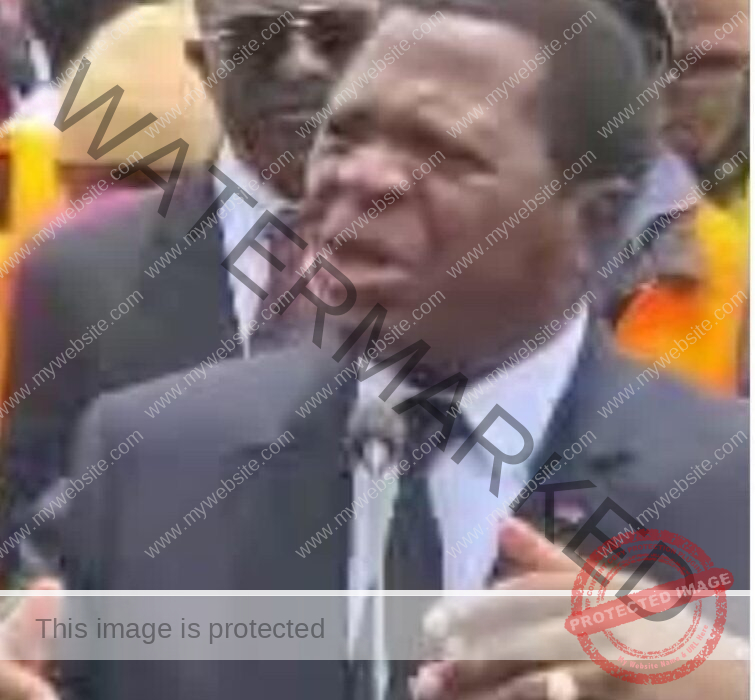


Paul Atanga Nji has chosen to defend power. He has chosen to defend denial. He has chosen to defend silence. But there is something stronger than silence. Memory. One day, history will write the truth.
By The Independentist Investigations Desk
Paul Atanga Nji was born in the heart of Bamenda. In his youth, many believed he would rise to protect and uplift the people of the Northwest. With education, influence, and connections, he had every opportunity to serve justice and peace. Instead, he chose a different path. Today, he is one of the most feared men in Cameroon, holding the keys to internal security and the control of political voices inside the country.
As Minister of Territorial Administration and a senior figure within the National Security Council, he has power over the movement of security forces, the operation of governors and divisional officers, the authorization of peaceful assembly, and the banning of human-rights organizations. His voice has become the government’s shield against accountability.
In the midst of a violent conflict, while lives are lost daily in the Northwest and Southwest, the man from Bamenda is now responsible for policies that deepen fear and silence.
A Story of Power Used Against the Powerless
The timeline of events under his influence tells a painful story. Last December, a respected human-rights organization that defended the vulnerable was suspended by ministerial decree. When people who watch the watchers are silenced, abuses flourish.
October this year, Opposition leader Anicet Ekane was arrested after speaking out during the disputed election. He was taken without fair trial. His family began to worry as his health worsened. During detention, His condition became critical. The authorities refused to send him for proper medical care. His family begged. They cried. But they were ignored. December this year Anicet Ekane died in custody. A father. A husband. A citizen. A voice that dared to speak. Now forever silent.
To many Cameroonians, his death is not an isolated tragedy. It is a symbol of what happens when power is used to eliminate those who disagree. This Is Not Law. This Is Punishment.
International human-rights principles are clear and simple. Every person has the right to life. Every detainee must be treated with dignity. Every arrest must be lawful. Every political voice has the right to exist. Every family deserves the truth.
When rights defenders are banned, when opposition leaders die behind bars, and when no one is held accountable, the state carries responsibility for the suffering that follows. Cameroon signed these global protections. They are not gifts. They are obligations.
The Pain of Betrayal
There is a question that burns in the hearts of the people: How can a son of Bamenda participate in the destruction of Bamenda. The mothers of the Northwest who bury their sons in silence ask themselves: Does he not feel our pain. Has power removed his memory of home.
While ordinary people run through the forest to escape gunfire, Atanga Nji walks peacefully in marble corridors. While youths from Mankon, Nso, Kom, and Bali sleep under trees to stay alive, he enjoys the comfort and praise of those who command the war.
The wound of betrayal often cuts deeper than the wound of oppression. History Will Judge Even the Silent. A leader is not defined by the suit he wears, the office he holds, or the orders he signs. A leader is defined by what he defends when his people bleed.
Paul Atanga Nji has chosen to defend power. He has chosen to defend denial. He has chosen to defend silence. But there is something stronger than silence. Memory. One day, history will write the truth.
The victims will not be forgotten.The families will not be silenced. The truth will not remain hidden in the dark. And when it is written, it will ask one question loudly and clearly: Why did the man from Bamenda turn his back on his own people.
The Independentist Investigations Desk