

DATE: 25 March 2026. FROM: Carl Sanders, Guest Writer, The Independentistnews, Soho
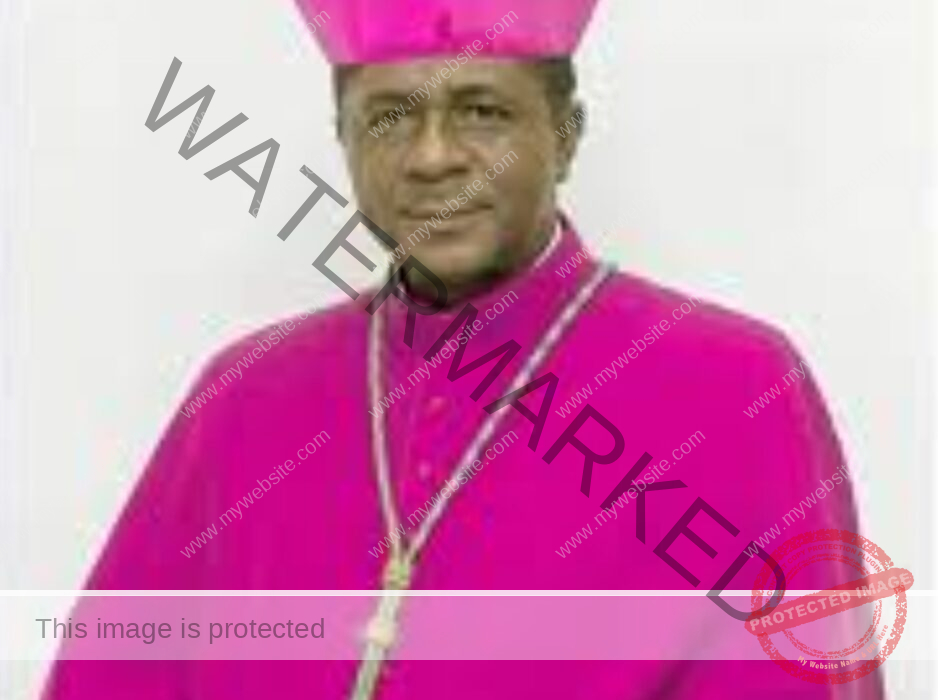
TO: Archbishop Andrew Nkea and the National Episcopal Conference of Cameroon (NECC)
Your Grace,
History is not written only by presidents and generals. It is also written by bishops — by what they say, and by what they refuse to say.
From the distance of London, the image of the Cameroonian Church today is no longer that of a fearless moral compass. It is increasingly seen as an institution stalled between courage and comfort, speaking the language of balance while a wounded population cries out for clarity.
You now sit in the shadow of Cardinal Christian Tumi — a man who did not negotiate with injustice in whispers. He built platforms for truth when the state offered only silence. You inherit the intellectual legacy of Archbishop Paul Verdzekov — who understood that faith without resistance to systemic humiliation becomes ritual without relevance. Yet today, many hear from the Church a careful neutrality that feels less like wisdom and more like retreat.
This is not merely a disagreement about tone. It is a crisis of moral direction.
While communities endure displacement, fear, and loss, official statements often speak of “dialogue,” “calm,” and “shared responsibility.” To those living the consequences of conflict, such language can sound like distance — as though suffering must first be translated into diplomatic vocabulary before it can be acknowledged.
Across Africa, church leaders have at times chosen a different path. In the Democratic Republic of Congo, bishops stepped into the public arena not as political actors but as guardians of conscience. They risked their comfort to prevent the normalisation of injustice. They understood that when institutions fail, the pulpit becomes a last refuge for truth.
A Manifesto for Future Men of God: Six Pillars of Moral Resistance
- The Shield — Protect the Broken (Ezekiel 34:2–4)
A shepherd who speaks of neutrality while the flock is scattered is not preserving peace; he is preserving distance. Spiritual authority begins where fear ends. - The Liturgy — Justice Before Ceremony (Amos 5:21–24)
Grand visits, cathedral celebrations, and institutional prestige mean little if the streets outside remain filled with unresolved grief. Worship without justice risks becoming performance. - The Sting — Conscience Must Not Be Sedated (Matthew 5:13)
The Church loses relevance the moment it stops unsettling the comfortable. Moral leadership is not measured by applause from power, but by its willingness to challenge it. - The Truth — Do Not Declare Peace Prematurely (Jeremiah 6:14)
To speak of calm where pain persists is to risk deepening mistrust. Reconciliation built on partial truth cannot endure. - The Voice — Speak for the Voiceless (Proverbs 31:8–9)
When legal systems are widely perceived as unjust, silence from spiritual leaders can be interpreted as consent. Advocacy is not partisanship; it is pastoral duty. - The Fire — Reject Lukewarm Faith (Revelation 3:16)
Moments of national crisis demand moral temperature. Communities look not for careful positioning but for conviction strong enough to inspire hope.
Your Grace, the people are not searching for flawless diplomacy. They are searching for spiritual fatherhood — leadership that combines courage with compassion, clarity with sacrifice.
The Gospel that transformed history was never comfortable. It overturned tables, confronted empires, and stood beside the condemned. If the Church becomes more concerned with preserving institutional equilibrium than with embodying prophetic witness, it risks losing the very trust that gives it influence.
This letter is not written to condemn, but to awaken. The crossroads before the Cameroonian Church is real. The choice is not between peace and confrontation, but between relevance and retreat.
History will record whether its shepherds walked with the wounded — or watched from a distance.
Respectfully,
Carl Sanders
The Independentistnews
Soho, London