









News commentary

We are home to news on Cameroon and the CEMAC region. We are dedicated to honest and reliable reporting. We are the voice of the Cameroonian people and their fight for freedom and democracy at a time when the Yaoundé government is silencing dissent and suppressing democratic voices.

Ultimately, the effectiveness of parliamentary change will be measured by its capacity to foster inclusive dialogue, strengthen accountability, and deliver policies that respond to the needs and aspirations of citizens across all regions.
By Timothy Engonene Guest Editor-in-Chief The Independentistnews. March 18th 2026
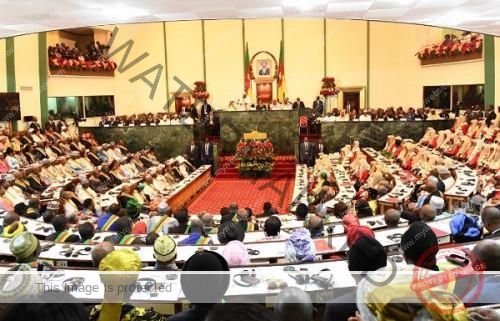
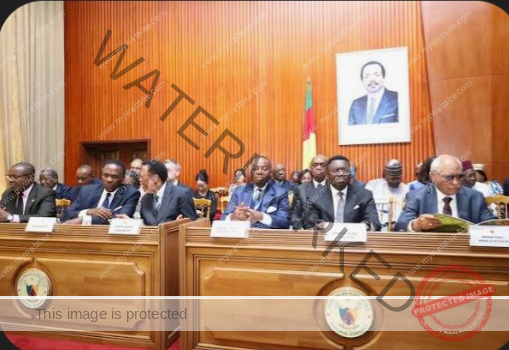
Recent leadership changes within the national legislature have been widely described in political commentary as significant institutional shifts. However, many analysts argue that such transitions often represent continuity rather than transformation. Long-serving figures may be replaced, yet underlying governance structures, decision-making patterns, and power dynamics frequently remain intact. As a result, public expectations of meaningful reform are sometimes tempered by scepticism about whether personnel changes alone can produce substantive political change.
The redistribution of senior parliamentary roles has also been interpreted through the lens of regional and elite balancing. In diverse political systems, leadership rotations are often used as mechanisms to manage internal tensions and maintain cohesion among influential constituencies. While such strategies can contribute to short-term stability, they may also reinforce perceptions that political competition is driven more by elite accommodation than by policy innovation or democratic responsiveness.
For communities experiencing conflict, economic hardship, or political marginalisation, developments at the centre can appear distant from everyday realities. Issues such as security, displacement, and access to basic services continue to shape public opinion more strongly than institutional reshuffles. This disconnect highlights the challenge of translating symbolic political change into tangible improvements in governance outcomes and social welfare.
Conclusion: Continuity, Reform, and Public Trust
Moments of political transition provide opportunities to reassess national priorities and rebuild confidence in public institutions. Yet sustainable progress depends not only on leadership turnover but also on credible reforms that address structural grievances and broaden participation in decision-making processes.
Ultimately, the effectiveness of parliamentary change will be measured by its capacity to foster inclusive dialogue, strengthen accountability, and deliver policies that respond to the needs and aspirations of citizens across all regions.
Timothy Engonene Guest Editor-in-Chief The Independentistnews.
Share This Post:
OPEN LETTER TO THE NERA 10 DEFENCE TEAM: PUT THE THEFT ON TRIAL
Related Post
OPEN LETTER TO THE NERA 10 DEFENCE TEAM: PUT
The Nera 10 Crossroads: A Nation on Trial, from
Feed the Goose — The Infinite Banking Series. By
Connect with God by Judith Elondo A Book Review
Palmistry: Signs, Symbols, and the Inexact Science of Human
Dr. SAMUEL Ikome Sako, President of the Federal Republic