












Your Excellency, our appeal flows from faith, not hostility. We trust in the wisdom of the Holy See and the moral clarity of the Holy Father.
To:
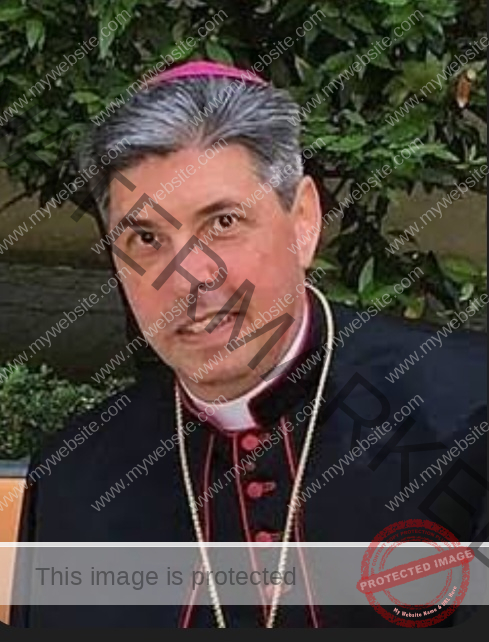
His Excellency Archbishop José Avelino Bettencourt
Apostolic Nuncio to the Republic of Cameroon and Equatorial Guinea
Apostolic Nunciature
Yaoundé, Cameroon
Your Excellency,
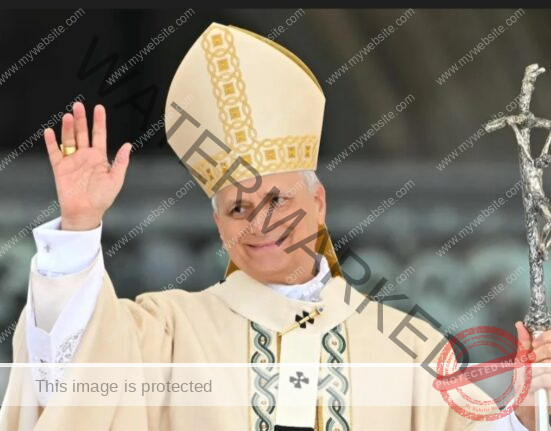
BAMENDA February 23, 2026 – In communion with the universal Church and in fidelity to the Magisterium, we respectfully submit this memorandum as the Holy Father prepares for his pastoral visit to the North West and South West regions.
Our appeal is not political in spirit, but moral and ecclesial, grounded in the enduring principles of Catholic Social Teaching.
I. The Dignity of the Human Person (Gaudium et Spes, 26)
The Second Vatican Council teaches that “the dignity of the human person is the foundation of a moral vision for society.”
For nearly a decade, communities in the Anglophone regions have endured armed conflict, displacement, loss of life, and deep psychological trauma. Families have been fractured, schools disrupted, and livelihoods destroyed.
Any pastoral visit must therefore begin with a clear and compassionate acknowledgment of human suffering. Cosmetic improvements to infrastructure cannot obscure the lived reality of wounded communities.
The Church’s credibility rests in its unwavering defense of the dignity of every human life.
II. The Right to Conscience and Freedom (Dignitatis Humanae, 2)
The Declaration on Religious Freedom affirms that every person must be free from coercion in matters of conscience and social participation.
In contexts of political contestation and prolonged conflict, it is essential that:
Civilians are protected from intimidation.
Public expression of belief or opinion is not met with fear.
Religious gatherings remain spaces of authentic worship, free from political pressure.
The Holy Father’s presence should reinforce this freedom, not inadvertently be perceived as validating structures that many experience as coercive.
III. Peace Founded on Truth and Justice (Pacem in Terris, 18)
Saint John XXIII taught that true peace must be built upon four pillars: truth, justice, love, and freedom.
Peace cannot be sustained by appearances alone. It requires honest dialogue about historical grievances, constitutional questions, and the wounds carried by communities.
The principle of subsidiarity—central to Catholic Social Teaching—reminds us that governance structures must respect the identity and legitimate aspirations of distinct communities. Solidarity calls all parties to seek solutions that uphold the common good rather than partisan dominance.
IV. The Church as Bridge and Moral Witness
The Church has long served as a bridge where political institutions falter. Its mission is not to legitimize power, but to call power to conscience.
We humbly ask that the Holy Father’s message in Bamenda: Affirm the equal dignity of all communities. Encourage meaningful, inclusive dialogue. Call for protection of civilians and humanitarian access. Emphasize reconciliation rooted in truth rather than symbolism.
Such a message would align fully with the Church’s teaching and strengthen her pastoral mission.
Conclusion
Your Excellency, our appeal flows from faith, not hostility. We trust in the wisdom of the Holy See and the moral clarity of the Holy Father.
May this visit be remembered not for ceremony alone, but for advancing peace grounded in truth, justice, and the inalienable dignity of every human person.
In prayerful respect,
[Signed]
Faithful Committed to Peace and Human Dignity




Leave feedback about this