



The continued resilience of affected populations serves as a reminder that the future of Southern Cameroons will be shaped not only by judicial outcomes, but by the collective choices and engagement of its people and leaders alike.
By Timothy Enongene, Guest Editor-in-Chief, The Independentistsnews
17 February 2026
As legal proceedings involving detained Southern Cameroons leaders continue within Cameroon’s judicial system, many observers across Ambazonia and within the diaspora are urging the public to view developments with clarity and measured reflection. What is unfolding is not simply a courtroom matter in the narrow legal sense, but an event carrying profound political, historical, and emotional weight for communities connected to the conflict.
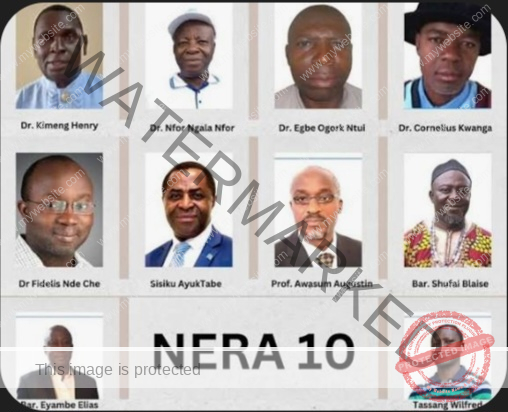
The ten men—Sisiku Ayuk Tabe, Dr. Egbe Ogork, Dr. Cornelius Njikimbi Kwanga, Mr. Wilfred Tassang, Prof. Augustine Awasum, Dr. Fidelis Nde-Che, Dr. Henry Kimeng, Barrister Shufai Blaise Berinyuy, Barrister Eyambe Elias, and Dr. Nfor Ngala Nfor—were arrested in Abuja in January 2018 and subsequently transferred to Cameroon. Supporters have long characterised the incident as an unlawful cross-border operation that raised serious concerns about due process and respect for international norms. From this perspective, their subsequent trials, particularly before military courts, have reinforced wider debates about legitimacy, jurisdiction, and political authority in the context of the Southern Cameroons crisis.
Defense teams and human rights advocates have repeatedly pointed to procedural questions, including issues surrounding arraignment, legal representation, and the appropriateness of trying civilians within military judicial frameworks. These concerns form part of a broader critique by some communities who believe that state institutions have struggled to command universal confidence in matters linked to the conflict. Government authorities, however, continue to maintain that the proceedings are lawful and consistent with national security obligations and constitutional order.
These contrasting narratives illustrate the deeper contest over perception and meaning. For many Ambazonians, the detained leaders have come to symbolise both the risks inherent in political mobilisation and the resilience of a movement that has continued to operate in diverse forms—through grassroots organisation, international advocacy, and diaspora engagement. Over time, the crisis has evolved beyond individual personalities to encompass wider questions of identity, governance, and the search for sustainable political arrangements.
Appeals for the leaders’ release are frequently framed in humanitarian and human-rights terms. Yet even as legal and diplomatic avenues are pursued, many supporters emphasise that the aspirations associated with the Southern Cameroons cause extend beyond the fate of any single group of individuals. The persistence of civic activism and international attention reflects an ongoing determination to keep these issues in the public sphere.
History shows that prolonged political conflicts often produce symbolic figures whose personal ordeals come to embody broader collective struggles. Whether regarded as detainees within a sovereign legal process or as political prisoners by their supporters, the situation of these leaders continues to shape discourse and sentiment across the region and among the diaspora.
Ultimately, a lasting resolution is likely to depend on meaningful dialogue, credible legal safeguards, and political solutions capable of addressing underlying grievances while promoting stability and justice for all communities. The continued resilience of affected populations serves as a reminder that the future of Southern Cameroons will be shaped not only by judicial outcomes, but by the collective choices and engagement of its people and leaders alike.
Timothy Enongene, Guest Editor-in-Chief, The Independentistsnews