










Commentary

We are home to news on Cameroon and the CEMAC region. We are dedicated to honest and reliable reporting. We are the voice of the Cameroonian people and their fight for freedom and democracy at a time when the Yaoundé government is silencing dissent and suppressing democratic voices.

As policy debates continue in Washington and beyond, the central challenge remains the same: translating pressure into meaningful progress toward dialogue, humanitarian access, and sustainable peace.
By Timothy Enongene, Guest Editor-in-Chief, The Independentistnews. March 14, 2026
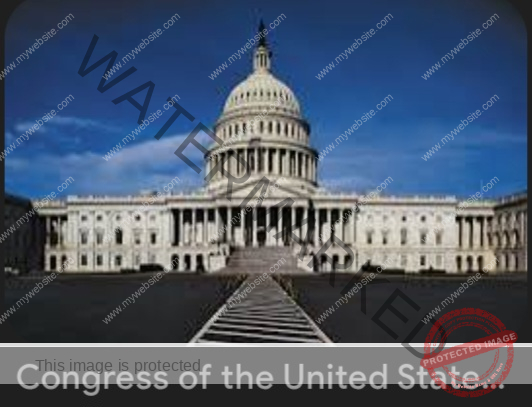
In recent months, discussions within the United States Congress have increasingly shifted from strong rhetoric toward the consideration of more concrete policy tools, including the possible use of targeted sanctions. Lawmakers from both parties have signalled concern about reports of human rights abuses, governance challenges, and the broader security implications of prolonged instability in Cameroon.
Some congressional voices have called on the executive branch to review available legal mechanisms for accountability, including visa restrictions, financial sanctions, or other measures aimed at individuals credibly accused of serious violations. These conversations reflect a broader trend in U.S. foreign policy, where sanctions are often used as instruments intended to influence behaviour, deter further abuses, and encourage political dialogue.
A Wider Net of Scrutiny
The emerging policy debate does not focus solely on state officials. International observers and policymakers have also raised concerns about the actions of armed movements and diaspora-based leadership figures. The Ambazonia Defence Forces (ADF), associated with its leader Lucas Cho Ayaba, has featured in international reporting and analysis examining accountability, internal fragmentation, and the risks that violence against civilians may complicate diplomatic efforts.
For many lawmakers, the objective is to send a consistent message: that responsibility for harm to civilians must be addressed regardless of political affiliation. This approach aligns with growing global expectations that all actors involved in conflicts demonstrate adherence to humanitarian norms.
Reassessing Partnerships and Assistance
Statements by senior policymakers, including Jim Risch, have contributed to renewed debate about the future of U.S. engagement with Cameroon. Discussions about governance, corruption risks, and regional security dynamics have prompted calls in some quarters for a reassessment of military cooperation and certain forms of economic assistance.
Such reassessments, analysts note, typically unfold gradually and involve coordination between Congress, the executive branch, and international partners. The ultimate impact depends on evolving conditions on the ground, diplomatic initiatives, and broader strategic priorities in Central and West Africa.
Implications for the Future
For communities affected by conflict, the possibility of targeted sanctions and increased international scrutiny carries both hope and uncertainty. While accountability measures can signal global concern and encourage restraint, they may also reshape political calculations among various actors.
As policy debates continue in Washington and beyond, the central challenge remains the same: translating pressure into meaningful progress toward dialogue, humanitarian access, and sustainable peace. The effectiveness of any external action will ultimately depend on whether local and diaspora leaders alike are willing to engage constructively in efforts to reduce violence and build a more stable future.
Timothy Enongene, Guest Editor-in-Chief, The Independentistnews.
Share This Post:
No Safe Harbour: The End of Diaspora Impunity
Puppets and Policy: How the Senate Views the “Separatist” Leadership
Related Post
The Paper Trial Debate: Mediation Efforts, Allegations, and Legal
The “State Actor” Defense: Legal Arguments and the Complexity
The Finger-Pointing Protocol: Legal Battles and Competing Narratives in
No Safe Harbour: The End of Diaspora Impunity
Puppets and Policy: How the Senate Views the “Separatist”
The Banking Blacklist: Financial Scrutiny and the Politics of